
Gluten-free savory pie with roasted vegetable filling
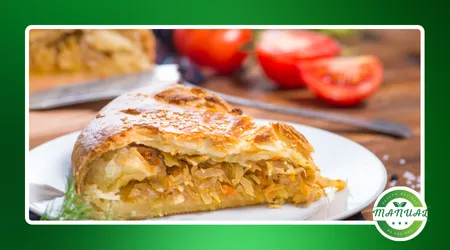
Straight from our editorial kitchen, today we unveil a culinary treasure that has conquered palates and tables across Brazil: the pie. gluten-free salty stuffed with roasted vegetables.
Adverts
A delicacy that transcends diets, offering flavor and health in every slice.
In recent years, the push for more conscious and inclusive eating has transformed the way we view food. Allergies, intolerances, and food choices shape what we put on our plates.
In this scenario, cuisine gluten-free salty has emerged as a beacon for many. Far from being a restriction, it has become a gateway to creativity in the kitchen.
She invites us to explore new ingredients and techniques, reinventing classics and creating innovative dishes. It's a gastronomic adventure full of discovery.
Adverts
More than just a trend, gluten-free eating reflects a paradigm shift. We prioritize well-being and nutritional diversity.
Roasted Vegetables: The Soul of the Filling

Choosing roasted vegetables for a pie filling is a masterstroke. The oven enhances their natural sweetness and texture.
Broccoli, zucchini, eggplant, carrots, and peppers gain life and depth, offering a palette of vibrant flavors and colors.
The roasting process concentrates the vegetables' sugars, intensifying their flavor. It's like a concert in which each vegetable plays its best note.
++Organize your fridge: where to store each type of food
Imagine the aroma filling your kitchen as these vegetables transform. It's an olfactory symphony that whets your appetite.
Besides flavor, roasted vegetables contribute fiber and essential nutrients. They make the pie not only delicious but also nutritious.
The Magic of Gluten-Free Pasta
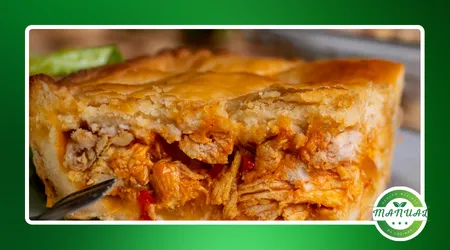
Dough is the foundation of any pie, and in the universe gluten-free salty, the challenge is great. Replacing wheat flour requires intelligence.
Rice flour, potato starch, cornstarch, and sweet cassava starch are powerful allies. They allow you to create incredible and versatile textures.
++How to make yogurt cake with red fruit sauce
Mastering this combination is like a chemist searching for the perfect proportion. The result is a melt-in-your-mouth mixture.
It should be pliable, crunchy, and, above all, flavorful, with no gritty residue. A good crust elevates a pie to another level.
There are countless gluten-free pasta recipes, each with its own unique flavor. Exploring and experimenting is part of the fun.
Where Tradition Meets Innovation
Savory pie is a traditional dish in many cultures. Its adaptability to new ingredients makes it timeless.
The version gluten-free salty with roasted vegetables is a brilliant example. It proves that it's possible to innovate without losing the essence.
This dish is a testament to culinary evolution. It celebrates diversity and the pursuit of healthier options.
++Vegetable and cheese pie: a light recipe that's perfect for dinner
It's not just food; it's a declaration that good food is for everyone. It overcomes dietary barriers with flavor.
A pie like this on your table is an invitation to celebration. Share this pleasure with friends and family, worry-free.
Benefits and Relevance in the Current Scenario
Growing health awareness is driving the demand for gluten-free foods. This is an undeniable reality.
According to a study by the National Celiac Association in 2023, about 11% of the world's population suffers from celiac disease.
However, 6% to 7% of the population may have non-celiac gluten sensitivity (NCGS). This demonstrates a real and growing need for gluten-free options.
The pie gluten-free salty with vegetables meets this demand in a delicious way. It offers a safe and nutritious alternative.
Furthermore, the richness of vegetables in the filling increases the pie's nutritional value. It's a complete and balanced dish.
In a world where health and well-being are priorities, this pie stands out. It's an example of intelligent and delicious cuisine.
Read also: Nutrition Myths and Facts: Is Gluten Bad for You?
Chef's Tips for a Perfect Pie
Making a perfect pie requires attention to detail. Here are some valuable tips for you.
1. Selection of Vegetables: Choose fresh, seasonal vegetables. They guarantee a more intense and vibrant flavor. Diverse colors indicate a greater variety of nutrients.
2. Roasting Point: Don't overcook the vegetables. They should be tender but still have some texture, to avoid them becoming too mushy in the filling.
3. The Ideal Mass: Use good-quality gluten-free flour and follow the recipe exactly. Each type of gluten-free flour absorbs liquids differently. For a more airy batter, sift the dry ingredients.
4. Seasonings: Don't hesitate to use fresh herbs like thyme, rosemary, and oregano. They add incredible aroma and flavor to the vegetables and stuffing.
5. Cooling: Let the pie rest a bit before slicing. This allows the filling to set and prevents the pie from falling apart when serving.
| Pie Component | Essential Tips |
| Gluten-Free Dough | Use a balanced blend of flours (rice, tapioca flour, starch) for best texture. Don't over-knead; mix just until incorporated. |
| Roasted Vegetables | Cut the vegetables into uniform sizes for even roasting. Season generously with olive oil, salt, pepper, and herbs before roasting. |
| Creamy Filling | Add a creamy element, like cashew cream or silken tofu, to bind the filling and give it a rich texture. |
| Cooking Point | Bake until the crust is golden brown and the filling is bubbling. Cover with foil if the crust is browning too quickly. |
Examples of Creative Variations
The beauty of this pie lies in its adaptability. Here are two ideas to inspire your next creation:
1: Mediterranean Summer Pie. Combine zucchini, eggplant, colorful bell peppers, cherry tomatoes, and black olives. Add fresh basil and a touch of oregano. The filling takes on a sunny and vibrant flavor, perfect for warm days.
2: Autumn Roots Pie. Use roasted sweet potatoes, carrots, yams, and beets. Add rosemary and sage. This version boasts earthy, comforting flavors, perfect for colder nights.
These examples show how the same base can transform. Each season, a new pie can appear in your kitchen.
An Analogy to Think About
Think of gluten-free cooking as an orchestra. Each instrument, or ingredient, has its role.
Rice flour can be the violin, soft and versatile. Tapioca flour, the percussion, providing rhythm and texture.
The roasted vegetables are the soloists, providing the main melody. The chef, the conductor, harmonizes everything.
Without the presence of gluten, the orchestra finds new harmonies and possibilities. The result is a unique and delicious symphony.
This pie is like a well-tended garden. Each element, when cultivated and combined with care, blossoms into something spectacular.
It makes us wonder: are we limiting our creativity in the kitchen unnecessarily?
Conclusion: Celebrating the Pie of the Future
The pie gluten-free salty with roasted vegetable filling is not just a recipe. It represents a culinary evolution.
It shows that it's possible to eat healthily, deliciously, and inclusively, without sacrificing flavor or the experience.
Whether you have celiac disease, are gluten-sensitive, or are simply looking for new experiences, this pie is a perfect fit. Allow yourself to explore and savor.
Experiment, create your own versions, and share this wonder. Gluten-free cooking is a world worthy of exploration.
After all, the best food is the one that nourishes us in every way. And this pie does just that.
Frequently Asked Questions
1. Can I freeze the gluten-free savory pie?
Yes, you can freeze the already baked pie. Let it cool completely, wrap tightly in plastic wrap, and then in aluminum foil. It can be kept in the freezer for up to 2 months. To reheat, bake in a preheated oven until warm.
2. Which gluten-free flours are best for dough?
A mixture of rice flour (whole or white), potato starch, and sweet cassava starch usually results in a dough with good texture and flavor. Adding a little xanthan gum (1/2 teaspoon for every cup of flour) can help add elasticity.
3. Can I use fresh vegetables instead of roasted ones?
While roasted vegetables add more flavor and improve the texture of the filling, you can use steamed or sautéed fresh vegetables. Make sure they're not too wet, as this can make the filling watery.
4. Is there an alternative to the creamy filling if I don't want to use vegetable cream?
Yes, you can use mashed potatoes, yams, or arracacha to add creaminess. Another option is a creamy egg and cheese sauce (if you're dairy-free), or seasoned mashed tofu.
5. How long does the pie last in the fridge?
The pie can be stored in the refrigerator for up to 3-4 days in an airtight container. It's always best to consume it within the first few days to ensure the best quality and flavor.