
Organize your fridge: where to store each type of food
Organize your fridge: where to store each type of food It goes far beyond simply arranging items randomly.
Adverts
According to a report by Embrapa (2024), around 30% of food in Brazil is wasted due to incorrect storage.
This means that if you don't optimize your refrigerator space, you're literally throwing money down the drain—and putting your health at risk.
But why do so many people still make basic mistakes, like storing tomatoes in the refrigerator or leaving milk on the door?
The answer lies in the lack of information about how each temperature zone affects different food categories.
Adverts
A well-organized refrigerator not only extends the shelf life of products, but also keeps their nutrients, textures, and flavors intact.
Imagine opening your fridge and finding everything in the right place: fresh meats, crisp vegetables, perfectly cooked cheeses.
Sounds like a dream? With the right techniques, it can become a reality.
The Science Behind Storage: Why Position Matters
Refrigerators don't cool evenly. Each area has a specific temperature, creating microclimates that can benefit or harm certain foods.
++How to build a smart and economical pantry at home
The bottom part, for example, is the coldest, ideal for meat and fish, while the door, subject to temperature variations, should only house less perishable items, such as sauces and drinks.
A common misconception is that everything should be refrigerated. Some foods, like bananas and avocados, ripen better outside the refrigerator.
Others, like eggs, generate debate: in Brazil, Anvisa recommends refrigerating them to avoid salmonella contamination, but in many European countries, they are sold at room temperature.
Airflow is also crucial.
Stacking food or blocking cold air vents makes the refrigerator work harder, increasing energy consumption and creating hot spots where food spoils faster.
++Frozen dessert with just 3 ingredients
Example: If you've ever stored a pot of hot soup directly in the refrigerator, you know that this not only raises the internal temperature but can also create condensation, which encourages bacteria growth.
The correct thing to do is wait for it to cool to room temperature before refrigerating.
Top shelf: the place for ready-to-eat and leftovers
The top shelf is one of the least cold areas of the refrigerator, with temperatures between 4°C and 5°C.
Therefore, it is perfect for foods that are ready to eat, such as leftovers, packaged cold cuts and cured cheeses.
Many people make the mistake of storing milk here, but it needs to be colder—preferably on the middle or bottom shelf.
++Red Fruit Cheesecake: A Sophisticated Dessert in 5 Steps
Another common mistake is storing bread and cakes without protection, which causes them to dry out. Ideally, use airtight containers or sealed plastic bags.
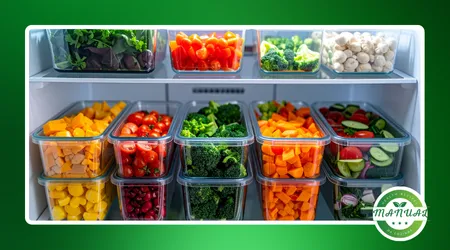
Tip: If you often prepare lunch boxes, reserve a specific space on this shelf for them.
This makes it easier to see what needs to be consumed first, avoiding forgetting about it at the back of the fridge.
Middle shelf: dairy, eggs, and sensitive foods
This is the most stable temperature zone, ideal for yogurts, milk, fresh cheeses and eggs.
Despite the myth that eggs don't need refrigeration, in Brazil, Anvisa's guidance is clear: they should be stored in the refrigerator to avoid the risk of salmonella.
A common mistake is washing eggs before storing them. The shell has a natural film that protects them from bacteria. Washing them removes this barrier, increasing the risk of contamination.
Cheeses such as mozzarella and fresh Minas cheese should be stored in airtight packaging or wrapped in plastic wrap.
Bottom shelf: the territory of perishables and meats
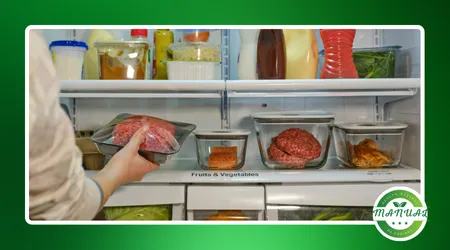
The coldest part of the refrigerator (about 2°C) is reserved for raw meat, fish and thawing foods.
This area must always be kept clean and organized, as leaks can contaminate other foods.
Think of this shelf as a high-security safe—it should only be opened when necessary, and everything should be very well packed.
Meat should be stored in deep containers or heavy-duty plastic bags to prevent dripping.
If you buy meat in large quantities, divide it into smaller portions before freezing. This way, you'll avoid having to thaw a huge block just to use part of it.
Drawers: the microclimate of vegetables and fruits
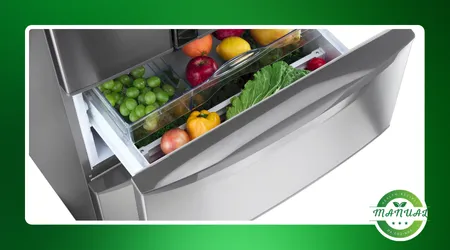
The drawers are designed to maintain controlled humidity, perfect for leaves, vegetables and some fruits.
However, not all vegetables should be stored together. Some, like apples and bananas, release ethylene, a gas that accelerates the ripening (and decay) of other foods.
Lettuce, spinach, and arugula last much longer if they are washed, dried, and stored in containers with a paper towel on the bottom.
Carrots and beets are best stored in perforated bags to allow ventilation.
Door: condiments and drinks
The door is the least cold part of the refrigerator, with variable temperatures due to constant opening.
Therefore, it should only contain resistant items, such as sauces, jams, butter (if consumed quickly) and drinks.
Common mistake: Store milk or eggs in the door. Because temperatures fluctuate so much, these products spoil more quickly.
Explore more: Do you know where to store each food in the refrigerator? Test your knowledge
Table: Ideal storage time
| Food | Ideal Location | Duration (days) |
|---|---|---|
| Minced meat | Bottom shelf | 1-2 |
| Mozzarella cheese | Middle shelf | 10-15 |
| Fresh spinach | Vegetable drawer | 5-7 |
Frequently asked questions
1. Can I store a pan of hot food directly in the refrigerator?
No. Allow it to cool to room temperature to avoid increasing internal humidity and overloading the motor.
2. Should eggs be kept in the refrigerator or outside?
In Brazil, Anvisa recommends refrigerating them to avoid salmonella.
3. Why do some vegetables wilt quickly even in the refrigerator?
Lack of controlled humidity. Use perforated bags or containers with paper towels.
Conclusion: Less waste, more efficiency
Organize your fridge: where to store each type of food It is a habit that directly impacts your pocket and your health.
With small adjustments, you can avoid waste, keep food fresher for longer, and even save energy.
Now it's your turn: open your fridge and start reorganizing. How long will your food last from today onwards?