
How to build a smart and economical pantry at home
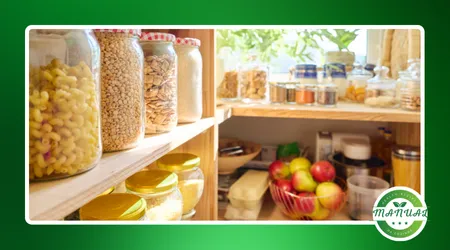
In a scenario where food prices in Brazil have risen 42% in the last five years (IBGE, 2025), build a smart and economical pantry at home has gone from being a luxury to becoming a financial survival strategy.
Adverts
But what really defines an efficient pantry?
It's not just about storing food, but about creating a system that minimizes waste, maximizes use, and keeps your household budget under control.
A survey of the Akatu Institute shows that Brazilians play away, on average, 128 kg of food per year – the equivalent of R$ 1.200 straight into the trash. This waste often begins with a lack of basic organization.
In this guide, we go beyond the obvious tips. You'll learn proven methods, accessible technologies, and behavioral strategies to transform your pantry into a household budgeting ally.
Adverts
1. Why Your Pantry Needs a Revolution?
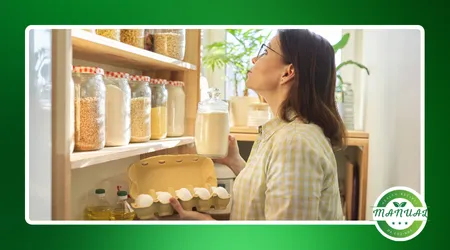
Poorly organized pantries are silent enemies of the budgetWhen you can't see what you have, you end up buying too much. And when food is hidden, it spoils before you use it.
The solution is not to have more space, but to better manage what already exists.
An example: Carla, a housewife in São Paulo, reduced her monthly waste by 60% just reorganizing the shelves by categories and using transparent jars.
++Eating fish regularly: benefits for your routine
Another common problem is the lack of stock rotationMany families buy new products without consuming the old ones, creating a cycle of waste.
Apply the method FIFO (First In, First Out) – used in large markets – solves much of this.
How many times have you found a package of pasta hidden behind other products, already expired?
2. Planning: The Pillar of a Smart Pantry
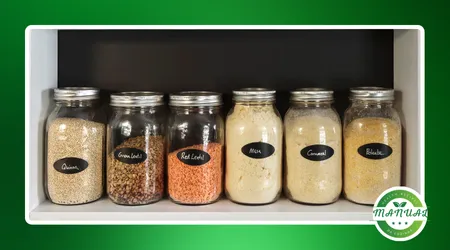
Before you go shopping, it is essential map your actual consumption. Take inventory of what your family actually uses in a month.
++How to make homemade broths to add more flavor to recipes
A common mistake is to stock up on items that seem useful, but are rarely used. Example: canned goods and exotic seasonings that take up space unnecessarily.
An effective strategy is to shopping list based on weekly menusPlan meals before going to the grocery store and buy only what you need.
Apps like “Bring!” or “Google Keep” help avoid impulse purchases.
++Pudding without holes: Learn the Secret to the Perfect Texture
Practical tip: Keep a notepad in the kitchen and write down which products are running low. This way, you'll avoid forgetting and making unnecessary purchases.
3. Physical vs. Mental Organization: How to Avoid Traps
Having tidy shelves is no use if you don't know how what It is when consume. Visual organization is as important as mental organization.
Example: Families that adopt the method of “consumption zones” (most used items at eye level, least used on high shelves) reduce by 30% the time wasted looking for food.
Think of your pantry as a banking app.If you don't track your spending, your balance disappears quickly. The same goes for food.
4. Packaging that Makes a Difference
Correct storage can double or triple the shelf life of food. Embrapa proved that grains stored in airtight jars have up to 3x less chance of developing insects or moisture.
Recommended materials:
- Sealed glass (best value for money)
- Vacuum bags (ideal for cold cuts and cheeses)
- Metal cans (protect against pests)
Marcos, an amateur cook, started storing flour in glass jars and completely eliminated waste due to bugs.
++How to organize your pantry in 11 simple tips + Infographic
5. Technology at the Service of the Economic Pantry
Humidity sensors and apps like “NoWaste” or “Too Good To Go” help monitor expiration dates and suggest recipes with what is about to expire.
Homegrown innovation: Ana uses smart tags with QR Code that, when scanned, shows the purchase date and usage suggestions.
6. Common Mistakes (and How to Avoid Them)
Buy in bulk just because it's cheap → If you’re not going to consume it, it’s not worth it.Ignore seasonality → Seasonal fruits and vegetables last longer and cost less.Not checking the pantry before shopping → Leads to duplication of products.
7. How to Make Better Use of Food and Avoid Waste
Often the problem is not with storage, but with lack of knowledge about how to make full use of food.
Stalks, leaves, and peels that normally end up in the trash can be transformed into nutritious broths, functional flours, or even ingredients for new recipes.
A study of the University of Sao Paulo (USP) showed that about 30% of a food is discarded unnecessarily, and these parts contain fiber, vitamins and essential minerals.
The Silva family began using roasted sweet potato peels as chips and kale stalks in pâtés. Besides reducing organic waste, they discovered new flavors.
The monthly savings? R$ 85 less at the supermarket.
8. Minimalist Pantry: Less Is More
A trend that is gaining momentum in 2025 is lean pantry, with only the essentials.
Instead of filling your cupboards with products that might be forgotten, the ideal is to keep a stock lean but strategicThis avoids the consumer anxiety and the compulsion for promotions.
How to apply? Keep a list of 15 essential items from your home (e.g. rice, beans, oil, salt, coffee) and only replace them when they are running out.
The rest can be purchased as needed. This technique, inspired by slow food movement, has already helped thousands of families reduce expenses by up to 20%.
Reflection: Do you really need three different types of flour or five different packages of cookies? Fewer options can mean more organization—and money left over at the end of the month.
Want to go further? How about starting today by doing a inventory of what you already have before the next purchase?
Conclusion
Build a smart and economical pantry at home It is an ongoing process, not a one-time task.
It requires discipline, but the results are worth it: less waste, more money in your pocket and less stress in your daily life.
Get started today: evaluate your inventory, plan your next purchases and adopt at least one of the techniques in this guideYour bank account will thank you.
Frequently Asked Questions
1. What is the best type of container for storing grains?
Airtight glass is the most recommended to prevent moisture and pests.
2. How to prevent spices from losing their aroma?
Store them in dark jars and away from heat.
3. Is it worth buying in bulk?
Yes, as long as you have space and fast consumption.
Links:
Don't forget, small changes lead to big savings. Which strategy will you try first?