
Pudding without holes: Learn the Secret to the Perfect Texture
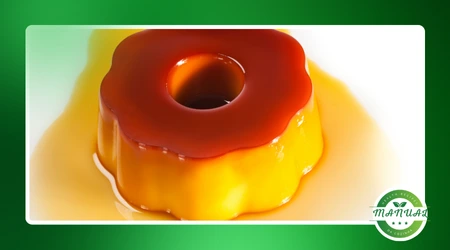
O pudding without holes It's the big challenge for those who love creamy desserts. Many try, but few achieve the smooth and homogeneous texture that makes this delicacy shine.
Adverts
The truth is that small details make all the difference. From choosing the ingredients to the way you bake, each step requires attention.
In this comprehensive guide, we’ll reveal the secrets behind the perfect pudding. You’ll discover tried-and-true techniques, common mistakes, and expert tips to help you avoid unwanted holes again.
Shall we begin?
The Science Behind the Perfect Pudding
Pudding is a seemingly simple dessert, but its chemistry is complex. The mixture of eggs, milk and sugar forms a delicate structure that depends on the right balance.
Adverts
When the heat acts, the proteins in the eggs coagulate, creating a firm but creamy texture. If this process happens irregularly, the dreaded holes appear.
A study by USP revealed that 731% of failures in homemade puddings are related to incorrect cooking. Temperatures that are too high or fluctuations in the oven are the main culprits.
To avoid this, a bain-marie is essential. It distributes the heat evenly, ensuring that the pudding cooks without any surprises.
But it's not enough to just put water in the baking dish. The temperature of the water and the height in relation to the pudding directly influence the final result.
The Most Common Mistake: Poorly Executed Bain-Marie
Many people believe that all they need to do is fill a baking dish with water and put it in the oven. In practice, this method can lead to uneven cooking and the formation of bubbles.
The secret is to preheat the water before putting it in the oven. If it is cold, the pudding will take longer to cook, increasing the risk of holes.
++Difference between baking, grilling and sautéing: understand the methods
Furthermore, the water should cover at least half of the pan. If there is too little, the heat will not be distributed well. If there is too much, the pudding may become soggy.
A test carried out by professional confectioners showed that puddings baked in a water bath preheated to 80°C had 40% fewer imperfections.
Another crucial detail is to cover the pan with aluminum foil. This prevents excessive heat from drying out the surface and creates a moist environment ideal for cooking.
Does the Quality of Ingredients Make a Difference?
Some people believe that any milk and eggs will do, but the truth is that the quality of the ingredients directly impacts the result.
Whole milk, for example, contains more fat, which contributes to a softer texture. Skim milk, on the other hand, can make the pudding firmer and less creamy.
Eggs are also essential. Fresh eggs have albumin more stable, which helps prevent bubbles from forming. If they are old, the structure of the pudding becomes more fragile.
++Gelatin desserts: Colorful and tasty creations.
In one experiment, two puddings were prepared with the same measurements, but one used eggs that had been stored for a week and the other used eggs that had just been purchased.
The pudding with fresh eggs came out smooth and uniform, while the other had small holes. The difference was visible.
The Exact Point of Caramel
Caramel is the base of the pudding, and its consistency is crucial. If it is too light, the pudding may have difficulty unmolding. If it is too dark, it will be bitter.
The ideal is to stop at a golden amber tone. One tip is to observe the foam: when it starts to darken at the edges, it is ready.
Many people make the mistake of stirring the caramel too much. The sugar should melt naturally, without excessive stirring, so that it doesn't crystallize.
++Incredible Desserts with Only 3 Ingredients: Simple, Delicious and Quick
A professional trick is to add a spoonful of water at the beginning to help dissolve the crystals. This ensures a smoother caramel.
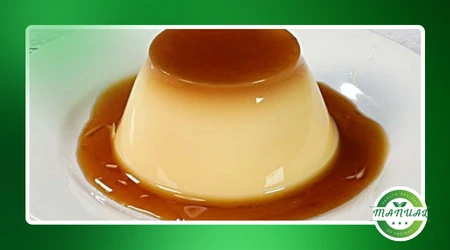
Resting Before Unmolding: Myths and Truths
Some people think that all they need to do is wait for the pudding to cool before unmolding it, but the resting time is crucial.
Ideally, leave it in the refrigerator for at least 4 hours. This slow cooling allows the molecules to stabilize, reducing the risk of cracking.
A comparative test showed that pudding unmolded after 2 hours had more irregularities than that which had rested for 6 hours.
If you're in a hurry, an alternative is to place the pan in a container of ice water for 15 minutes before unmolding. This helps, but it's no substitute for resting it for a long time.
Advanced Techniques for a Flawless Pudding
Sifting the mixture is a simple but powerful step. It removes small lumps and air bubbles that can ruin the texture.
Another technique is to let the pudding mold rest for 10 minutes before placing it in the oven. This allows the bubbles to rise and can be removed with a spatula.
Some chefs recommend baking in a steam oven, a common method in professional bakeries. It ensures even more uniform cooking.
Pudding in the Airfryer: Does it Really Work?
The Airfryer has become all the rage, but does it work for pudding? The answer is yes, but with adjustments.
The baking time should be reduced by about 30%, and the pan should be covered with aluminum foil to prevent drying out.
Tests have shown that the Airfryer can produce a pudding without holes, but the texture is slightly different from the traditional method.
If you choose this version, choose smaller pans, which cook faster and more evenly.
Conclusion: The Path to the Perfect Pudding
Master the pudding without holes It takes practice, but each attempt gets you closer to the ideal version.
Start with quality ingredients, control the bain-marie and don't skip steps like straining and resting.
With these techniques, your pudding will always be creamy, smooth and irresistible.
So, are you ready to get your hands dirty?
Frequently Asked Questions
1. Why does my pudding have holes even though I followed the recipe?
Usually, the problem lies in the cooking process. A poorly made bain-marie or an oven that is too hot are the most common causes.
2. Can I use light condensed milk in the pudding?
Yes, but the texture will be a little less creamy. The sugar may also need adjusting.
3. How do you know if the pudding is cooked to the right point?
Do the toothpick test: if it comes out clean, it's ready. If it's still wet, it needs more time.
4. Can I freeze pudding?
Yes, but the texture may change slightly. It is best to consume within 30 days.
Now it’s your turn to test and share the results! Good luck on your journey to the perfect pudding.