Recipe for Bahian fish moqueca with coconut milk
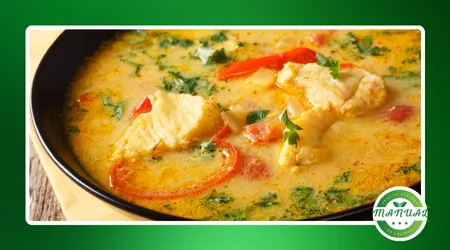
A Bahian fish stew with coconut milk transcends the simple category of dish; it is a sensory experience, a deep dive into the vibrant soul of Bahia and, by extension, into Brazilian culinary identity.
Adverts
It's not just cooked fish, but an orchestration of colors, aromas and flavors that evoke the history, miscegenation and tropical climate of the Northeast.
This fish or seafood stew, seasoned with palm oil, coconut milk, peppers, tomatoes, and cilantro, is not just food; it's tradition.
Its origin is debated, with roots that mix between the indigenous techniques of “moquém” (roasting on the grill) and African influences, mainly in the use of palm oil.
The use of palm oil, extracted from the palm tree, and coconut milk, a fruit ubiquitous on the coast, cements moqueca's connection to African heritage and the local landscape. It's a dish that tells the story of cultural fusion.
Adverts
Moqueca is a mainstay of Bahian cuisine, often served at celebrations and family gatherings. It represents the hospitality and richness of coastal ingredients.
How is Moqueca Different from Other Brazilian Versions?
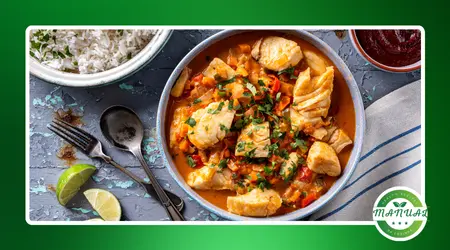
The main difference lies in the ingredients and the intensity of the flavor. The Bahian version is marked by the generous use of palm oil.
This orange-red oil with a peculiar flavor is the stamp of authenticity of Bahian moqueca. It's not just a seasoning, but a defining element of identity.
In contrast, Moqueca Capixaba (from Espírito Santo) generally does not use palm oil or coconut milk.
Capixaba broth is lighter, made with annatto for coloring and olive oil, differing significantly.
++How to make healthy sweet potato brownies
Both are delicious, but the Bahian variety offers a richer, more robust flavor, a true tropical explosion on the palate.
Why Are Coconut Milk and Palm Oil Essential Ingredients?
Coconut milk gives the Bahian fish stew with coconut milk its creamy and velvety texture, balancing the spiciness of any peppers and the intensity of the palm oil.
Look how interesting: Egg recipes that are perfect for lunch or dinner
It is the element that softens the whole.
O palm oil, in turn, is the seasoning that makes it unique, responsible for its intense color and earthy, slightly sweet flavor. It's the ingredient that polarizes and captivates.
These two ingredients aren't just complementary; they're codependent in the Bahian recipe. The absence of one of them detracts from the dish's character.
They represent the union of the sweetness of the coconut with the strength of the palm tree, a reflection of Brazil's coastal ecosystem.
What are the best fish to prepare moqueca?
Choosing the right fish is crucial to ensuring the right texture and flavor. Firm, white-fleshed fish are best, as they retain their shape during slow cooking.
Classic examples include whiting, sea bass, grouper, and sole, which absorb seasonings well without falling apart. It's essential that the fish is fresh.
++Northeastern couscous: a great side dish for lunch
Quality fish makes all the difference in the final result of a dish. Freshness is the soul of any good seafood dish.
Example 1: The chef and culinary researcher, Gilberto Freire Neto, argues that the selection of fish, preferably from warm waters, is the key to culinary umbanda which is the moqueca.
Example 2: Preparing moqueca is like creating a color palette. The green of the cilantro, the red of the tomatoes and peppers, and the orange of the palm oil create an edible work of art.
How Do Sustainability and Fishing Affect Moqueca in 2025?
In a global context of environmental concerns, fishing sustainability is a central issue. Choosing responsibly caught fish is increasingly important.
Many restaurants and chefs Renowned companies today prefer suppliers that follow sustainable fishing practices. This ensures the longevity of the species.
Environmental responsibility when choosing fish reflects a more conscious consumer. After all, what good is a delicious dish if it contributes to the depletion of marine resources?
Relevant Statistics: According to the FAO (Food and Agriculture Organization of the United Nations) “State of World Fisheries and Aquaculture” Report 2024 (most recent data), approximately 34% of the world's fish stocks are at biologically unsustainable levels.
Essential Tips for Perfectly Preparing Moqueca
The secret lies in the marinating process and the slow cooking of the seasonings. The fish must be marinated in lemon, salt, and pepper beforehand.
The initial sauté (tomato, bell pepper, onion, cilantro) should be done slowly, as it forms the basis of the flavor. The use of palm oil should be moderated at the beginning and adjusted at the end.
An interesting analogy: preparing moqueca is like a symphony. Each instrument (ingredient) enters at the right moment to create a perfect harmony of flavors.
The clay pot is traditional, as it distributes heat evenly and keeps the dish warm for longer, enhancing the experience.
| Key Ingredient | Function in Moqueca Baiana | Usage Tip |
| Firm White Fish | Protein base and texture | Marinate for at least 30 minutes |
| Palm Oil | Flavor, color and identity | Add in two stages: during the sautéing and at the end. |
| Coconut milk | Creaminess and balance | Use good quality whole milk |
| Coriander and Chives | Aroma and freshness | Use in abundance and finish the dish with them. |
Why Moqueca is a Symbol of Gastronomy Comfort?
A Bahian fish stew with coconut milk It offers a feeling of warmth and familiarity, making it a dish that comforts the soul. It's a celebration of togetherness.
Its rich, aromatic broth, usually served with white rice and pirão, is a comforting treat. It's the kind of food that brings to mind grandma's house and beach vacations.
It is possible to find the Bahian fish stew with coconut milk in Michelin-starred restaurants and in simple beach huts, proving its versatility and democratic appeal.
Eat one Bahian fish stew with coconut milk It's like taking a short trip to Bahia without leaving home. Isn't it one of the richest gastronomic experiences in the country?
A Bahian fish stew with coconut milk It is, in short, a culinary legacy. Its richness in flavor, color, and history makes it one of Brazil's most iconic dishes.
Respect for the traditional recipe, combined with awareness of the sustainability of ingredients, ensures that this delicacy continues to be celebrated for many generations.
Frequently Asked Questions: Bahian fish moqueca with coconut milk
Is moqueca always spicy?
Not necessarily. Pepper is an optional ingredient in the recipe, usually added in the form of chili peppers or chili peppers, and can be added to taste or served separately.
What is the difference between palm oil and olive oil?
Palm oil is extracted from the fruit of the oil palm and has a very strong and characteristic flavor and color.
Olive oil is extracted from olives and has a fruitier, lighter flavor, being used in milder versions or in moqueca capixaba.
Can I freeze the moqueca?
Yes, moqueca can be frozen, but the texture of the fish may change slightly after thawing. It's best to prepare and consume it fresh for maximum flavor.
How do I make moqueca pirão?
Pirão is made with the broth from Bahian fish moqueca with coconut milk (once ready) and cassava flour.
The broth is brought to a boil, and the flour is slowly added, stirring constantly, until the desired consistency is achieved.