
Chicken cacciatore, a perfect Italian recipe for winter.
Here is the detailed recipe, seamlessly integrated into the text, maintaining a scannable structure, a strict limit of three lines per paragraph, and organic keyword placement.
Adverts
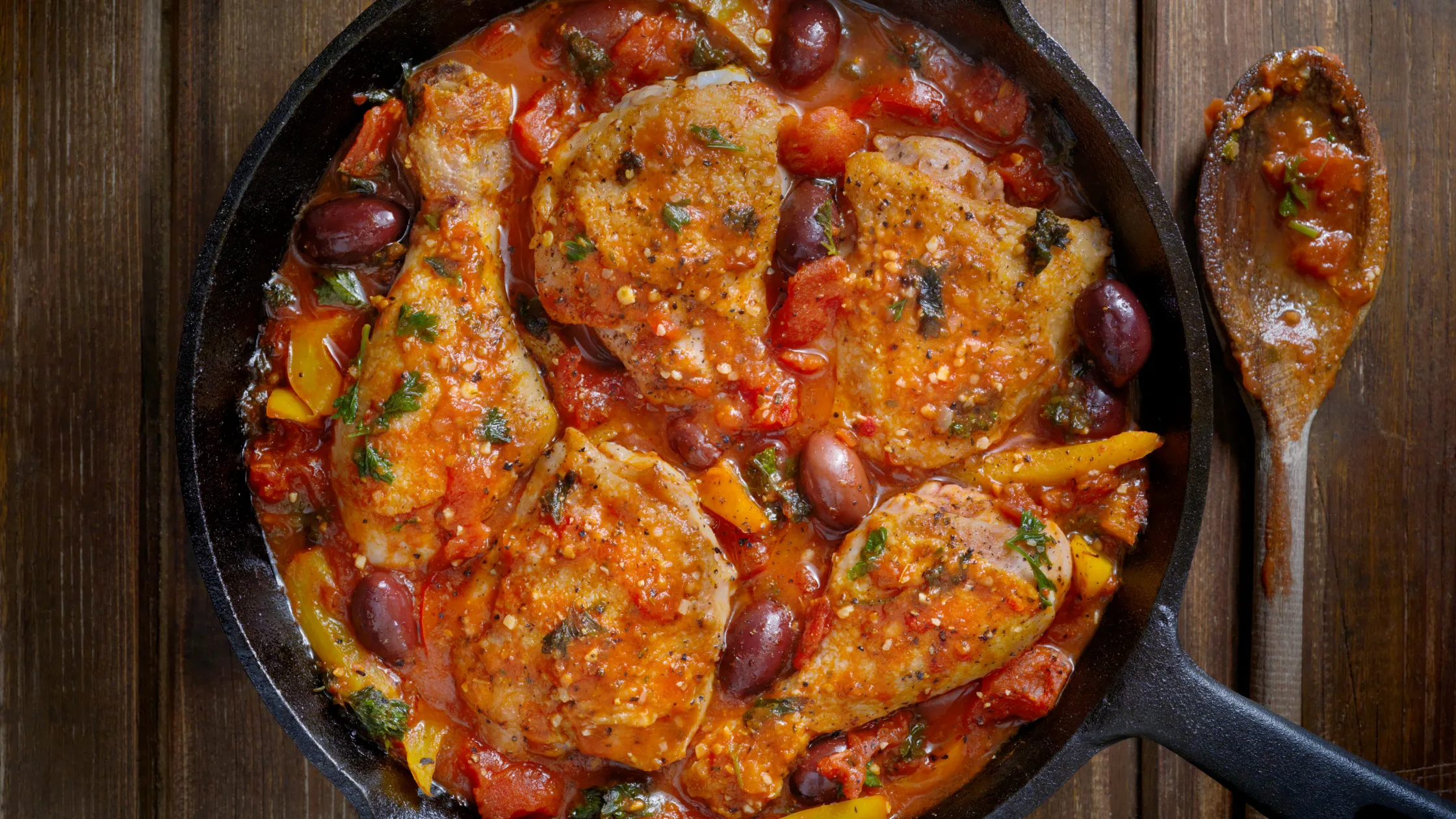
The traditional recipe of Chicken cacciatore It offers the ideal comfort for cold days, combining the rustic charm of Italian cuisine with classic techniques that transform simple ingredients into a masterpiece.
In this comprehensive guide, you will discover the secrets to choosing the right wine, the exact cooking time, and the ideal garnishes to create an unforgettable gastronomic experience in your home.
What you will learn in this article:
- The exact list of ingredients and proportions for the recipe.
- The technical step-by-step guide to juicy meat.
- How to harmonize textures and flavors in winter.
- Nutritional information and answers to frequently asked questions.
What is the classic Chicken Cacciatore?
This age-old delicacy originated in the rural regions of central Italy, created by hunters who used herbs gathered in the woods, such as rosemary and sage, to flavor slowly cooked foods.
The basis of the cooking involves the use of fresh aromatic vegetables, ripe tomatoes and a good wine, fundamental elements that give the sauce a full-bodied, deep and intensely comforting flavor.
Adverts
Unlike ordinary stews, the real Chicken cacciatore It balances the acidity of the tomato with the woody touch of the mushrooms, resulting in a robust dish that warms the body immediately.
How to choose the best cuts of chicken for the recipe?
The choice of meat determines the success of its preparation, and it is highly recommended to use thighs and drumsticks with bone and skin to ensure maximum juiciness.
Bone-in cuts of meat release collagen during the long, slow cooking process, which naturally enriches the texture of the sauce without the need for artificial thickeners.
Avoid using chicken breast in this particular recipe, as lean meat tends to dry out quickly and doesn't absorb the complex flavors of the broth as effectively.
Which wine should be used when preparing Chicken Cacciatore?
Italian winemaking traditions vary by geographical region, allowing for the use of a full-bodied dry red wine in Tuscany or an aromatic white wine in the more northern areas.
The use of red wine results in a dark, dense sauce with deep earthy notes, perfectly complementing the fresh mushrooms and the harsher days of the season.
For those seeking a more vibrant acidity and lightness, dry white wine is the ideal choice, as it preserves the freshness of the tomatoes and enhances the aromatic herbs of the dish.
Whatever your choice, the Chicken cacciatore It requires a beverage of excellent quality, as the alcohol evaporates completely, leaving the original flavor of the wine used concentrated.
What are the authentic ingredients in this Italian recipe?
To ensure the dish's authenticity, select fresh vegetables and avoid ready-made, industrially produced sauces, always preferring whole canned peeled tomatoes or ripe San Marzano tomatoes.
The recipe calls for the classic combination of soffritto Italian style, composed of finely chopped onion, carrot, and celery, which serve as an aromatic and structural base for the entire flavor profile.
Mushrooms of the type porcini or ParisFinally, black Calamatian olives and extra virgin olive oil complete the composition, bringing complexity and the much-desired rustic texture.
List of Ingredients:
- 1 kg of chicken thighs and drumsticks (with skin and bone)
- 1 medium onion, finely chopped
- 1 medium carrot, diced into small cubes.
- 1 stalk of celery, chopped
- 2 crushed garlic cloves
- 200g of sliced fresh mushrooms
- 1 can of peeled tomatoes (400g)
- 150ml of dry red wine (or dry white wine)
- 50g of pitted black olives
- Extra virgin olive oil, salt and pepper to taste.
- Fresh rosemary sprigs and sage leaves
Step by step: How to prepare the perfect chicken?
The first step is to thoroughly dry the pieces of meat with absorbent paper and season generously with sea salt and freshly ground black pepper to ensure it adheres.
Heat a heavy-bottomed pan and brown the Chicken cacciatore Sauté in olive oil, skin-side down, until golden brown and crispy, sealing in the natural juices inside.
Remove the meat temporarily and, in the same flavorful fat, sauté the vegetables. soffritto (onion, carrot and celery) along with the garlic until they are very soft.
Add the chosen wine to deglaze the bottom, scraping the concentrated sugars with a wooden spoon to release the more complex and profound aromas of our base.
Add the lightly crushed peeled tomatoes, sliced mushrooms, olives, and fresh herbs, then return the reserved pieces of meat to the pan in an orderly fashion.
Lower the heat, partially cover the pan, and let the mixture simmer for about forty minutes, allowing the sauce to reduce and the meat to begin to gently separate from the bone.
What are the ideal side dishes for winter?
The rich, velvety consistency of the sauce demands toppings that can absorb the liquid, making creamy polenta with Parmesan the most traditional and acclaimed partner for Italian families.
Another excellent alternative is to serve the dish on a bed of rustic mashed potatoes or accompanied by a long pasta of the type... tagliatelle cooked rigorously al dente.
For a lighter dinner, slices of sourdough bread lightly toasted with olive oil and garlic perfectly fulfill the role of cleaning the plate to the very last drop.
Consumption of Chicken cacciatore In winter, it provides an immediate feeling of well-being, as foods cooked slowly in a controlled environment retain heat and essential nutrients better.
++ Beef stew with chayote for an economical lunch
Nutritional information and real data about the dish.
Understanding nutritional value helps in planning a balanced diet, especially in structured meals for lunch or dinner on cold winter days that require more energy.
The table below presents the estimated average values for a standard 200-gram serving of the prepared dish, considering traditional ingredients and correct cooking methods without the addition of preservatives.
++ Easy moqueca recipe for beginners
| Nutritional Component | Amount per Serving | % Recommended Daily Value |
| Calories | 320 kcal | 16% |
| Proteins | 28 g | 37% |
| Total Fats | 14 g | 18% |
| Carbohydrates | 9 g | 3% |
| Sodium | 420 mg | 18% |
Where did the original recipe for the dish originate?
History suggests that the earliest versions emerged in the hills of Tuscany during the Renaissance period, when peasants adapted the stew using the game meats available that week.
Over the centuries, the recipe migrated from the countryside to urban tables, becoming a symbol of cultural resistance that celebrates the full use of local and seasonal ingredients.
Currently, this dish represents the essence of Italian comfort food, connecting the historical past of ancient hunters with the modern search for authentic, comforting, and flavorful meals.
What are the most common mistakes when preparing the dish?
The most frequent mistake is using high heat throughout the entire process, which accelerates the evaporation of the sauce and prematurely toughens the chicken's muscle fibers.
Another common mistake involves neglecting the initial searing step of the meat, resulting in a pale texture that compromises both the visual appeal and the depth of flavor of the broth.
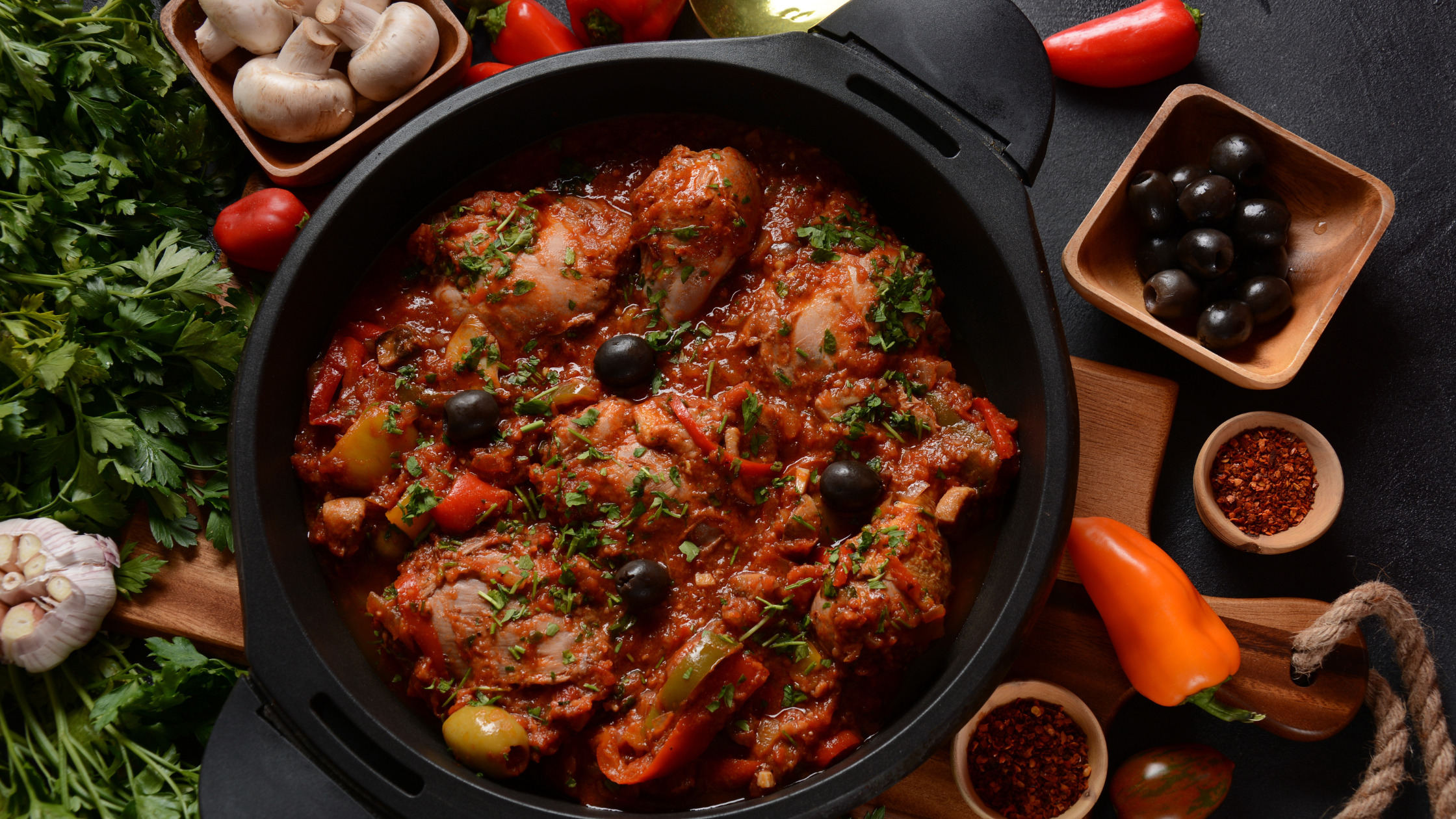
Finally, avoid over-liquidation in the pan; the real deal Chicken cacciatore It should be a concentrated, dense, and velvety stew, far from becoming a thin soup.
How to safely store and reheat stew?
One of the great advantages of this preparation is that the flavor intensifies the next day, as the spices continue to penetrate the meat fibers even after cooling.
Store leftovers in an airtight glass jar in the refrigerator for up to three days, or freeze for up to three months, ensuring a quick and sophisticated meal for busy nights.
To reheat, use low heat and add two tablespoons of water or vegetable broth to restore the sauce's original consistency, avoiding the improper use of the microwave.
Rigorous technical storage practices prevent bacterial growth and preserve the food's nutritional integrity. Chicken cacciatore, preserving the fresh aroma of herbs as if it had just been made.
++ Easy recipe for caramelized beans with cabbage and tomato for a nutritious dinner.
Frequently Asked Questions (FAQ)
Can I make the recipe without using alcohol?
Yes, you can substitute the wine with homemade chicken broth mixed with a tablespoon of red wine vinegar to maintain the correct balance of acidity in the dish.
What is the difference between the Tuscan and Neapolitan versions?
The Tuscan version traditionally uses red wine and wild mushrooms, while the Neapolitan recipe includes colorful bell peppers and, occasionally, aromatic capers to enhance the flavor.
Is it necessary to remove the skin from the chicken before serving?
The skin adds flavor and protects the meat during searing, but you can easily remove it before serving if you prefer to reduce the amount of fat in the final dish.
Can I use regular fresh tomatoes in the preparation?
Fresh tomatoes can be used, provided they are extremely ripe, seedless, and skinless, ensuring that the sauce does not become excessively acidic or full of hard pieces.
Conclusion
Mastering the art of preparing this classic stew elevates your home cooking, transforming an ordinary dinner into a moment of celebration and comfort during the colder months.
The correct application of searing techniques and respect for the sauce reduction time guarantee a result worthy of the best restaurants in central Italy, right on your table.
Try creating your own version by combining the suggested side dishes and enjoy a meal rich in history, engaging textures, and truly unforgettable flavors.
To learn more about the basics of European cuisine and slow cooking techniques, consult the guide to culinary techniques from [source name]. Italian Gastronomy Association to improve your skills.