
How long does food actually last in the refrigerator?
Discover How long does food really last in the refrigerator? It is essential to avoid household waste and ensure your family's food security every day.
Adverts
Refrigeration will slow the multiplication of harmful bacteria, but it never completely stops the natural deterioration of stored food after preparation.
Learning these shelf-life guidelines will transform the dynamics of your kitchen, saving you money and protecting everyone from preventable foodborne illnesses in everyday life.
Summary
- What is the ideal temperature for preserving food?
- Which foods spoil faster than we imagine?
- How to organize the refrigerator to avoid contamination?
- Practical table of food expiration dates
- What signs indicate that products are spoiled?
- How to sanitize the refrigerator to increase its shelf life?
- Conclusion
- Frequently Asked Questions (FAQ)
What is the ideal temperature for preserving food?
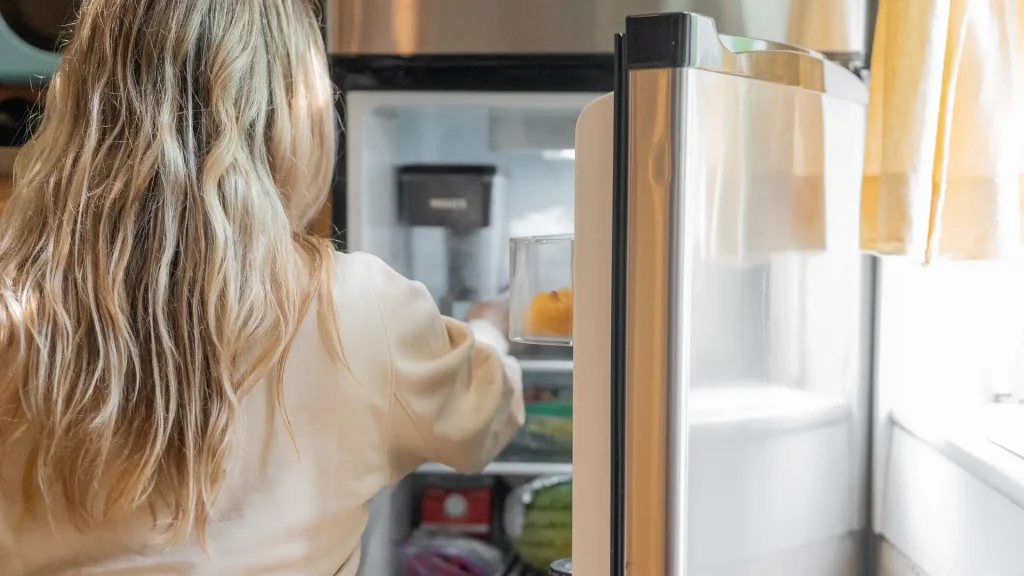
There's a common illusion of security when closing the refrigerator door, but the appliance's internal physics demands rigor.
Keeping the temperature consistently below four degrees Celsius is the only dividing line between coolness and the invisible proliferation of pathogens.
Adverts
An indoor thermometer reveals surprising temperature fluctuations caused by daily opening and closing, a vulnerability that few people monitor in their daily domestic routine.
Adjusting the thermostat precisely stagnates invisible villains like Salmonella and Listeria, microorganisms that often go unnoticed until they cause real damage.
Excessive cold freezes and destroys the texture of delicate leaves, while mild heat transforms fresh meats into fertile ground for bacteria.
Treating refrigeration as a living ecosystem prevents the premature disposal of resources and eases the burden on the family budget at the end of the month.
Seasonal changes in climate require frequent manual calibrations, ensuring that summer heat does not compromise the thermal stability of the shelves.
Which foods spoil faster than we imagine?
To know How long does food really last in the refrigerator? It requires confronting the biological clock of extremely perishable proteins, such as fish and poultry.
Raw fish contains porous muscle tissue and a high moisture content, a critical combination that requires rapid cooking within a maximum of forty-eight hours.
Raw ground meat has a subtle trap: grinding multiplies the surface area exposed to air, dramatically accelerating its biological degradation.
Handling leftover rice or beans carelessly also poses risks, although airtight glass containers can preserve their nutritional value for four days.
Leaving containers uncovered exposes food to drying out and unwanted absorption of cross-odors that contaminate the taste of everything.
Opened dairy products require constant vigilance regarding labels, as the natural acidity drastically alters the shelf life of each product.
Fresh cheeses, rich in whey, accumulate fungal colonies much sooner than matured varieties, demanding absolute priority in family breakfasts.
How to organize the refrigerator to avoid contamination?
Distributing food supplies strategically is not an aesthetic whim, but a physical barrier against gravity and the migration of microorganisms.
The top shelves are exclusively for ready-made foods, cheeses, and cold cuts that will not be subjected to intense heat before being served.
Because it is the most temperature-stable zone, this top protects prepared trays from unwanted drips and contamination from upper shelves.
The intermediate level perfectly houses dairy products, eggs, and well-sealed homemade preparations, maintaining freshness without the risk of accidental freezing.
Down below, the drawers retain just the right amount of moisture to preserve the freshness of fruits and vegetables without damaging their delicate cellular structures.
Raw meats must be placed on the lowest rack of the equipment to prevent juices and blood from spilling onto prepared dishes below.
Updated technical guidelines from the health sector detail these standards on the official website. Anvisa on food control.
Understanding this internal architecture expands your mastery over How long does food really last in the refrigerator?, cutting waste at the root.
What is the role of cold science in food preservation?
Refrigeration transforms the dynamics of food preservation by slowing down chemical and metabolic reactions without drastically altering the original structure of the ingredients.
However, it is a common mistake to view cold weather as a definitive shield, since psychrophilic microorganisms continue to develop slowly even at low temperatures.
Planning your diet based on the stability of each food group prevents unpleasant surprises and ensures maximum nutritional benefit from meals throughout the week.
++ Professional flambéing tips that don't work in the home kitchen.
Practical table of food expiration dates
The table below compiles the realistic expected shelf life for the most common ingredients stored in the cold environment of your kitchen.
++ How to make your kitchen functional with just a few practical adjustments.
| Food Category | Shelf life in the refrigerator (1°C to 4°C) | Essential Care |
| Raw Meats and Fish | 1 to 2 days | Store on the bottom shelf in a sealed container. |
| Cooked Poultry and Leftovers | 3 to 4 days | Store in airtight glass containers. |
| Fresh eggs (with shell) | 3 to 5 weeks | Store on shelves, never in the door. |
| Open Milk (Pasteurized) | 3 to 5 days | Keep in the refrigerator, tightly covered. |
| Vegetables and Leaves | 3 to 7 days | Wash, dry, and store in the bottom drawer. |
| Cold Cuts and Cured Meats | 3 to 5 days | Keep in the sealed packaging after opening. |
What signs indicate that products are spoiled?
The human sense of smell is a sharp biological alarm: any slightly sour or rancid aroma signals bacterial activity incompatible with safe consumption.
Slimy textures or sticky surfaces on cold cuts and beef indicate the presence of dense bacterial films, requiring immediate disposal.
Changes in pigmentation, such as greenish hues in cured meats or wilted and dark leaves, indicate deep oxidation and cellular breakdown of the ingredient.
Visible mold on soft surfaces is not just an isolated problem, but a symptom of a fungal network that has already spread internally.
Scraping off the moldy layer from damp cheese or bread is a false solution, as invisible mycotoxins easily penetrate the porous structure.
Jars that swell on their own reveal an accumulation of metabolic gases generated by yeasts in full fermentation, making the food completely unfit for consumption.
When in doubt about whether to use or discard a suspicious leftover, the prudence of preserving health should prevail over any attachment to avoiding waste.
How to sanitize the refrigerator to increase its shelf life?
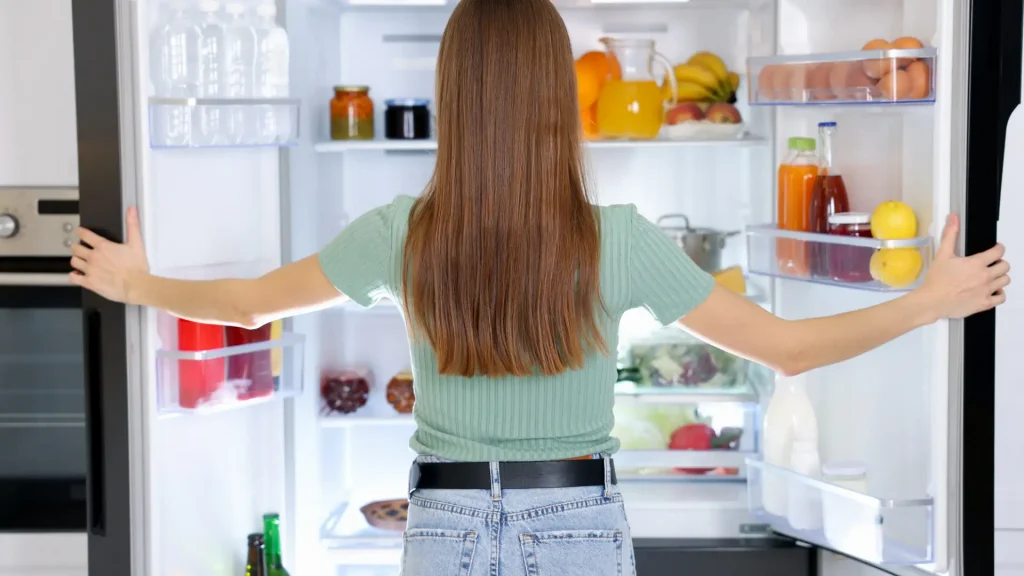
Regular cleaning of the equipment removes invisible colonies that float in the cold air, ready to colonize the next dish stored without a lid.
Washing trays and shelves with warm water and mild soap disinfects the space without impregnating the environment with artificial chemical perfumes.
Simple solutions with baking soda effectively eliminate persistent odors, neutralizing the residual acidity of old spills without damaging the plastic.
The door seal accumulates moisture and develops subtle holes; keeping it clean prevents constant loss of cold air to the outside environment.
Conducting this bi-weekly audit helps unearth forgotten containers at the back of your appliance and restructures your purchases with much more intelligence and clarity.
++ Properly desalting cod without losing texture and flavor
Conclusion
Understanding the dynamics of domestic cold storage goes far beyond simply storing groceries: it's a conscious act of respect for resources and health.
Mastering deadlines and storage logic reveals in practice... How long does food really last in the refrigerator?, eliminating chronic waste.
Adjusting small daily habits in the kitchen generates an immediate positive financial impact and consolidates significantly more sustainable consumption choices.
To deepen your knowledge of international security guidelines, consult the materials from... World Health Organization applied to nutrition.
Frequently Asked Questions (FAQ)
Should eggs be stored in the refrigerator door?
Never; the door supports undergo constant thermal fluctuations with each opening, which accelerates the deterioration of the egg white and yolk.
Can I store hot food in the refrigerator?
Yes, shallow dishes can go in the refrigerator while hot; leaving a pan to cool on the counter for hours is the perfect breeding ground for bacteria.
How can you tell if ground beef has spoiled?
Spoiled ground meat gives off a rancid odor, takes on a grayish hue, and becomes sticky to the touch; it should be thrown away without hesitation.
How long will cooked beans last in the refrigerator?
In a tightly sealed container, cooked beans will retain their integrity and flavor for three to four days under proper refrigeration.