
Why include carrots in your diet?
When deciding Include carrots in your daily diet.By doing much more than adding color to the dish, you activate a true biochemical mechanism powered by carotenoids and protective compounds.
Adverts
Interestingly, the habit of consuming this orange root is often seen as cliché advice from grandmothers.
But cellular biology reveals a far more complex scenario, in which each bite acts against the invisible wear and tear caused by oxidative stress.
Understanding the true value of this vegetable requires going beyond a superficial calorie count and paying close attention to how its chemistry interacts with our bodies on a daily basis.
Summary
- What are the essential nutrients found in carrots?
- How does carrot affect eye health and immunity?
- What is the impact of daily consumption on skin health?
- How does the vegetable benefit digestion and glycemic control?
- Comparative table: Raw carrot versus cooked carrot
- What is the best way to prepare food daily?
- Frequently Asked Questions (FAQ)
- Conclusion
What are the essential nutrients found in carrots?
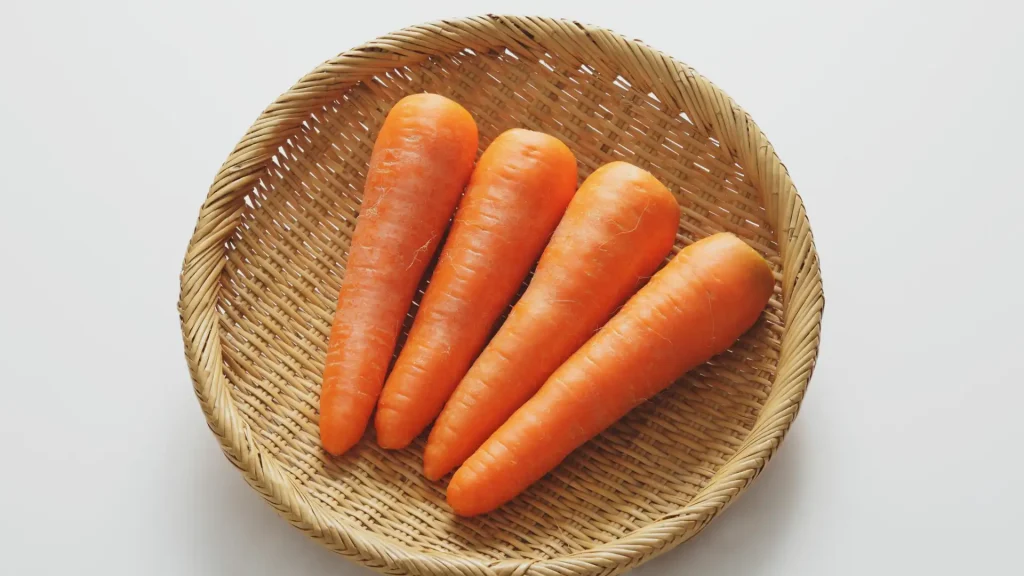
There is something fascinating about the nutritional architecture of roots: because they grow in direct contact with the soil, they accumulate reserves of bioactive compounds in remarkable concentrations.
Adverts
Beta-carotene takes the lead in this matrix. This natural pigment not only provides color but also acts as an immediate precursor to vitamin A as soon as it crosses the intestinal mucosa.
Along with it, we find a precise combination of soluble fiber, vitamin K1, potassium, and phytochemicals less touted by the commercial media, such as falcarinol.
The great advantage of Include carrots in your daily diet. It lies precisely in this natural synergy, which is difficult to replicate with synthetic vitamin complexes sold in pharmacies.
Another point that is often overlooked: the physical structure of carrots protects their vitamins from heat and premature degradation during home storage.
In practical terms, you get a dense source of micronutrients without overloading your calorie balance or requiring elaborate culinary preparations.
How does carrot affect eye health and immunity?
The association between carrots and good eyesight has become a popular saying, but few people understand the biochemical mechanism behind this historical reputation.
Inside the retina, beta-carotene, converted into retinol, binds to the protein opsin. This union forms rhodopsin, the pigment responsible for enabling us to see when ambient light decreases.
Without an adequate supply of this molecule, the eyes lose adaptability — a situation that, in severe cases, leads to dry eyes and night blindness.
But the story doesn't end with the eyes. The mucous membranes that line our respiratory system are viscerally dependent on retinoids to maintain their physical barriers against invaders.
Consolidated data in the collection of National Library of Medicine They make it clear that carotenoids directly regulate the lymphocyte defense response in the blood.
It is therefore evident that the vegetable's reputation is not mythology: it is pure physiology translated into real food.
What is the impact of daily consumption on skin health?
Many expensive creams promise miracles that actually begin on the inside of the plate — and the skin quickly reflects what happens in the digestive metabolism.
Ultraviolet radiation, pollution, and stress generate a constant load of free radicals, unstable molecules that corrode collagen fibers and accelerate premature aging.
Carotenoids are deposited in the subcutaneous layers, creating an antioxidant shield that neutralizes some of this aggression before it turns into a wrinkle or deep blemish.
There is also a well-documented aesthetic effect: regular intake gives the skin a slightly golden tone, often mistaken for a natural and healthy tan.
Vitamin A derived from the plant also accelerates cell renewal, helping those who deal with slow healing or excessive oil production in the T-zone of the face.
Including this root in your diet daily is a silent, yet consistent, way to protect your skin from the inevitable damage of urban life.
++ The main nutrients found in sweet potatoes
How does the vegetable benefit digestion and glycemic control?
In the digestive system, carrots act as a kind of rhythm regulator, far from the aggressive behavior of certain ultra-processed foods rich in isolated fibers.
Its pectins — high-quality soluble fibers — form a smooth gel in the stomach, slowing the passage of food and extending the feeling of fullness for hours.
This natural brake is valuable for those trying to avoid afternoon snacking and the abrupt energy fluctuations caused by refined sugar.
Despite its pleasantly sweet taste, raw carrots have a surprisingly low impact on blood sugar, making them safe even for low-carbohydrate diets.
"The regular presence of root vegetable fibers in the digestive tract helps to remove excess bile salts, forcing the liver to consume circulating cholesterol to replenish them."
The result is a balanced gut ecosystem, which has a positive impact on everything from morning energy levels to cardiovascular health.
++ Zucchini: how to include this vegetable in tasty meals
Comparative table: Raw carrot versus cooked carrot
The heat in the kitchen profoundly alters the availability of nutrients. See how the vegetable behaves in a 100-gram serving under different cooking methods:
| Nutritional Component | Raw Carrot (100g) | Cooked Carrot (100g) | Impact on the Organism |
| Calories | 41 kcal | 35 kcal | Negligible caloric density |
| Dietary Fiber | 2.8 g | 3.0 g | Stability in intestinal transit |
| Betacarotene | 8.285 mcg | 9.771 mcg | Greater release after thermal cooling. |
| Vitamin C | 5.9 mg | 3.6 mg | Sensitive to prolonged heat. |
| Glycemic Index | 16 (Bass) | 32 (Low/Moderate) | Smooth and controlled insulin response |
One technical detail often goes unnoticed: gentle cooking breaks down the plant's rigid cell walls, releasing much more beta-carotene to be absorbed in the intestine.
On the other hand, those seeking to preserve as much vitamin C as possible will find consuming it raw to be the best strategy, since this substance is sensitive to high temperatures.
What is the best way to prepare food daily?
The culinary simplicity of carrots is a strategic advantage: they effortlessly transition between easy savory dishes and balanced sweet preparations.
To get the most benefit from beta-carotene — which is a fat-soluble substance — it's worth combining the vegetable with a drizzle of olive oil or oily seeds.
There's a common mistake in the kitchen: peeling or scraping carrots too aggressively. The thin peel contains generous amounts of fiber and antioxidants that shouldn't be wasted.
A good scrubbing with a vegetable brush under running water is enough to clean the surface without throwing away the best parts of the plant.
Vary the presentations throughout the week — thin slices for snacking, finely grated in salads, or cubed in soup — keeping the meal interesting and flavorful.
Small additions to stir-fries, omelets, and sauces increase the nutritional density of the diet without requiring great culinary skills or hours at the stove.
How can you include carrots in sweet recipes without compromising your health?

The vegetable's slightly sweet profile allows it to act as a functional substitute for refined sugar and fat in various healthy confectionery preparations.
By using grated or blended carrots in whole-wheat cake, pancake, and muffin batters, you add natural moisture and structure without resorting to excess oils or ultra-processed flours.
This versatility transforms desserts and snacks into real opportunities for Include carrots in your daily diet., ensuring a constant supply of fiber and micronutrients even during moments of culinary indulgence.
++ How spinach and arugula contribute to eye health.
Recipe: Roasted Carrots with Olive Oil, Herbs, and a Touch of Citrus
This recipe combines gentle heating (which breaks down the carrot's cell walls and releases more beta-carotene) with a source of healthy fat (olive oil, essential for the absorption of fat-soluble vitamins).
Ingredients
- 4 medium carrots thoroughly cleaned (keep the peel on)
- 2 tablespoons extra virgin olive oil
- 1 clove of garlic mashed with peel
- 1 teaspoon fresh (or dried) thyme or rosemary
- 1 pinch sea salt or pink salt
- Black pepper freshly ground to taste
- Zest and juice of ½ lemon (to add vitamin C and freshness at the end)
Method of preparation
- Hygiene and Cutting: Wash the carrots thoroughly with a small brush under running water to preserve the peel. Cut them lengthwise (into 4 pieces) or into thick diagonal slices to ensure even cooking.
- Seasoning: In a large bowl, add the chopped carrots, olive oil, crushed garlic, thyme, salt, and black pepper. Mix well with your hands so that all the slices are coated with the oil and spices.
- Distribution on the Baking Pan: Spread the carrots on a non-stick baking sheet or one lined with parchment paper. Avoid overlapping the slices so they bake evenly instead of steaming.
- Oven: Place in a preheated oven at 180°C to 200°C for about 20 to 25 minutesHalfway through the cooking time, turn the carrots so they brown evenly. The ideal point is when they are soft inside, but slightly crispy and caramelized at the edges.
- Finalization: Remove from the oven, discard the garlic, add the lemon juice and zest on top, and serve immediately as an accompaniment to proteins, grains, or mixed salads.
Nutritional Tip
The combination of preheating in the oven with fat from olive oil It optimizes the conversion of beta-carotene into active vitamin A by your body, while the lemon juice added at the end preserves the dose of vitamin C without exposing it to the heat of the oven.
Frequently Asked Questions (FAQ)
Can eating too many carrots change your skin color?
Yes, consuming very high amounts can cause carotenemia, a harmless yellowish tint on the palms of the hands and soles of the feet, which disappears when the daily dose is adjusted.
Does cooked carrot cause more weight gain than the raw version?
No. The caloric difference between the two is minimal. What changes is the rate of carbohydrate absorption, which remains perfectly adequate for weight loss plans.
How does the vegetable help slow down cellular aging?
Its high antioxidant content combats oxidative stress, preventing free radicals from damaging the DNA structures and membranes of healthy cells.
Do diabetics need to avoid eating carrots?
Absolutely not. The vegetable has a low glycemic load, and its fiber helps prevent blood glucose spikes, making it an excellent ally in a diabetic diet.
What is the sufficient daily amount to obtain the benefits?
Eating one medium-sized carrot a day—about 80 to 100 grams—provides more than enough to meet the body's daily vitamin A requirements.
Given the evidence, it is clear that Include carrots in your daily diet. It goes beyond simply following a nutritional rule: it's a smart choice for prevention and practical health.
Consistently consuming simple, nutrient-dense foods builds a solid biological foundation, capable of protecting the body against silent, long-term wear and tear.
Given its low cost and ease of access, few changes in the kitchen deliver such a significant metabolic return as revaluing this root vegetable in the daily menu.
To deepen your knowledge of reliable nutritional guidelines and meal planning, consult the material maintained by [organization name]. Ministry of Health.