
Best tricks to keep herbs fresh in the fridge
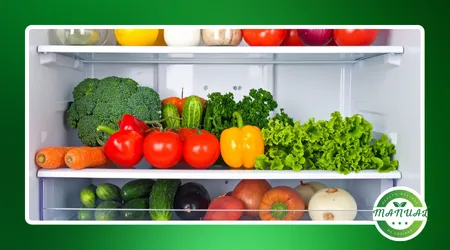
Learn to keep fresh spices in the refrigerator It is essential for those who love cooking with ingredients at their peak.
Adverts
After all, who has never planned a dinner and come across unappetizing seasonings?
This is a common concern for both amateur and professional cooks. The limited shelf life of aromatic herbs can discourage purchase.
However, with simple yet effective techniques, you'll prolong that freshness. This means less waste and more flavor in your daily recipes.
Truly delicious cuisine requires quality ingredients, especially herbs and spices. They are the soul of many dishes, imparting unparalleled aroma and complexity.
Adverts
Maintaining the integrity of these ingredients makes all the difference in the final result.
The Moisture Challenge: Why Do They Spoil So Fast?

The main enemy of fresh herbs is inadequate moisture, whether too much or too little. Herbs like basil and the parsley are delicate and react quickly to the refrigerated environment.
The refrigerator can dehydrate them or, worse, cause mold.
It's crucial to understand the nature of each herb before storing it. Some behave like flowers, requiring water, while others thrive in dry environments.
This prior knowledge guides the choice of the best preservation method.
The cold temperature of the refrigerator slows down the leaves' metabolism, but doesn't stop it. The trick is to create an ideal microclimate.
This simulates the plant's natural environment, significantly slowing its deterioration.
Often, the leaf appears fresh, but has already lost much of its essential oil. This oil carries the flavor and aroma desired in cooking.
++Sweets with exotic ingredients: matcha, cardamom and tropical fruits
Therefore, the goal is to preserve the plant's cellular structure as much as possible.
The Bouquet Method: For Firm-Stemmed Herbs

For more robust herbs, such as coriander, parsley, mint It is scallion, the bouquet method is unsurpassed. It's an approach that mimics the way flowers are held in vases.
It is an elegant and highly effective technique.
++Cooking with kids: ideas to get little ones involved
Cut the ends of the stems, as you would with a flower arrangement, and place them in a glass with about two fingers of water.
Use a stable container to avoid spills on the refrigerator shelf. The water should be changed every two days.
Loosely cover the bouquet with a clean plastic bag. Use a freezer bag or even a bread bag to create a private "greenhouse."
This retains the necessary moisture without suffocating the leaves and maintains freshness.
++Red Fruit Cheesecake: A Sophisticated Dessert in 5 Steps
This method allows the herbs to "drink" the water, preventing dehydration. It ensures that the stems continue to nourish the leaves.
It's a simple solution to keep fresh spices in the refrigerator for weeks.
The Dry Method: Ideal for Sensitive Herbs
Basil, sage, fresh oregano, and thyme require different treatment. Excessive moisture can be fatal for these more sensitive varieties.
Water on the leaves accelerates the process of decomposition and browning.
++ How to preserve spices in the kitchen
The first step is to make sure the leaves are completely dry after washing. Use a salad spinner or gently pat them dry with paper towels.
The absence of surface moisture is crucial to success.
Wrap the dried herbs in slightly damp, but not soaking, paper towels. The paper absorbs excess moisture while maintaining a slightly humid environment.
This balance is the key to storage.
Then, place the wrapped bundle in an airtight plastic bag or container with a lid. Avoid sealing the container too tightly.
This allows for a little air circulation, preventing mold.
Smart Examples and Approaches
1: The Case of the Withered Basil. Many people put basil in water like parsley, and it quickly darkens.
The solution is to wrap it in paper towels almost dry and store it in the least cold part of the refrigerator.
2: The Smart Freeze. For those who can't consume everything in time, converting to ice cubes is brilliant.
Chop the herbs and mix them with olive oil or water in ice cube trays. These are perfect portions for stir-fries and soups.
This technique, besides avoiding waste, already measures the seasoning with the fat. They melt directly in the pan, releasing maximum flavor.
It's a tactic of mise en place which saves time when cooking.
The Influence of Temperature and the Ethical Factor
Have you ever wondered what happens to the spices that don't sell on the shelves? The rate of fresh food waste is alarming.
Keeping spices fresh in the refrigerator It's not just about savings, it's about responsibility.
A study of the United States Department of Agriculture (USDA) of 2021 pointed out that about 30 to 40% of the U.S. food supply is wasted.
Spices and leafy vegetables contribute significantly to this statistic.
Think of your spices like a cell phone battery. Each day of improper storage drains their "flavor charge."
We want to use techniques that extend shelf life while maintaining energy, aroma, and flavor at their peak.
Optimizing storage is a small but powerful act of sustainability in the kitchen. When you reduce waste, you're contributing to a more ethical food chain.
It's not just a question of technique, but of awareness.
| Aromatic Herb | Recommended Preservation Method | Estimated Duration (Refrigerator) |
| Basil | Dry, on slightly damp paper towels. | 1 to 2 weeks |
| Parsley and Cilantro | Bouquet Method (glass with water). | 2 to 3 weeks |
| Scallion | Bouquet Method, or freezing (pricking) | 2 to 3 weeks (fresh) |
| Mint | Bouquet Method (more water than others) | 1 to 2 weeks |
| Thyme/Rosemary | Dry, packed in a sealed container. | 3 to 4 weeks |
Shelf life may vary, of course, depending on the initial freshness and the temperature of your refrigerator. Keep spices away from the door, where temperatures fluctuate most.
Where to Save and How to Avoid Repeating Mistakes
The vegetable drawer is the best place to keep fresh spices in the refrigerator. It is designed to maintain a higher moisture level, ideal for many leafy vegetables and herbs.
Avoid the back of the refrigerator at all costs.
Freezing directly, without oil or water, tends to oxidize herbs. The ice tends to burn the leaves, causing them to lose their vibrant color.
This is why the olive oil cube method is superior for keep fresh spices in the refrigerator.
It may seem counterintuitive, but don't wash your herbs until you're ready to use them. Even a small amount of residual water invites bacteria and mold growth.
Washing should be the last step before chopping.
These techniques, which may seem complex, are actually quite simple to implement. They will save you time and money in the long run.
Flavor, aroma, and freshness guaranteed for longer. What more could a cook want?
Conclusion: A Simple Step to Greater Flavor
Master the art of keep fresh spices in the refrigerator It's a game-changer in your cooking. It goes from being a luxury to an efficient and economical habit.
Your taste buds and your wallet will thank you for this care.
By applying the bouquet method to robust herbs and the dry method to more sensitive ones, you ensure maximum longevity.
It's a minimal investment of time with a maximum return on flavor. You transform your fridge into a pantry of freshness.
You'll never again be faced with a pile of yellow leaves in the middle of the week. Your kitchen will always have the vibrant aroma that only ingredients at their peak can offer.
It's worth taking some time after shopping.
After all, if we have access to such wonderful ingredients, isn't it our duty to preserve them in the best way possible?
Frequently Asked Questions
Why can't basil go straight into water?
Basil is extremely sensitive to cold and high humidity, which causes the leaves to darken and soften quickly. The dry method, with controlled light humidity on the paper, is ideal.
Is it better to chop chives before storing?
No. It's best to store chives whole using the bouquet method. Chopping herbs before storing accelerates the loss of essential oils and drying out, causing them to lose flavor more quickly.
Can I use plastic wrap instead of a bag?
Yes, you can, but proceed with caution. If using plastic wrap, make sure it's not completely sealed, allowing for minimal air exchange. A completely sealed film traps moisture and can cause mold.
How long can I store herbs in frozen oil?
Frozen spices in olive oil can last up to 6 months in the freezer without significantly losing quality. The olive oil protects the herb from frostbite, preserving its color and flavor.