Pan-fried Sweets: Traditional Recipes with a Homemade Touch
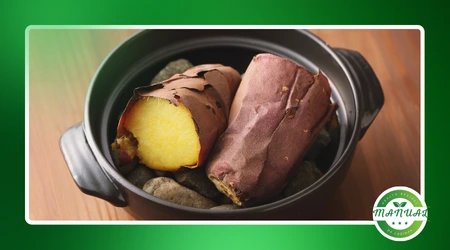
You pot sweets They are a tradition that spans generations, combining simplicity and flavor in dishes that bring back memories of childhood and the comfort of home.
Adverts
In 2025, with the search for more natural and less industrialized foods, these recipes gained even more space on Brazilian tables.
According to a survey by the Brazilian Gastronomy Association, 68% of consumers prefer homemade desserts, highlighting the pot sweets as favorites.
Furthermore, the “slow food” movement and the appreciation of local ingredients have driven the recovery of these delicacies, which carry unique stories and flavors.
The Magic of Pan-fried Sweets
The charm of these delicacies lies in their simplicity. Sugar, water and basic ingredients such as milk, coconut or peanuts are transformed into true delights.
Adverts
The creamy texture and striking flavor will win over even the most demanding palates.
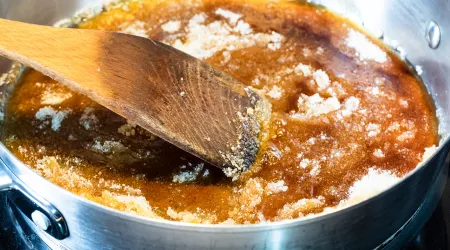
But what's really fascinating is the process: watching the sugar caramelize, the milk thicken and the ingredients come together into a homogeneous mixture is almost therapeutic.
Furthermore, the pot sweets They are versatile. They can be served as a dessert, snack or even as an ingredient in other recipes, such as cakes and pies.
They are also a great gift option, as they carry a personal and affectionate touch that industrialized products cannot convey.
Table 1: Most Commonly Used Ingredients in Pan-Fried Sweets
| Ingredient | Frequency of Use |
|---|---|
| Sugar | 95% |
| Milk | 80% |
| Coconut | 70% |
| Peanut | 60% |
Recipes that Delight
- Creamy Dulce de Leche
Boil milk and sugar over low heat, stirring until it reaches the ideal consistency. Serve plain or with cheese. For a special touch, add a pinch of baking soda, which helps prevent the sugar from crystallizing and ensures a smoother dessert. Practical tip: Use a thick-bottomed pan to distribute the heat evenly and prevent the dessert from burning. If you prefer a quicker version, use condensed milk cooked in a pressure cooker. - Traditional Coconut Candy
Mix grated coconut, sugar and water. Cook until thick and pour into molds to cool. Try varying the type of coconut: fresh grated coconut gives a more intense flavor, while dried coconut is more practical. For a moister coconut candy, add a little more water during cooking. For a crunchier version, leave it on the heat for longer, until the mixture starts to come away from the bottom of the pan. - Peanut brittle
Melt the sugar until caramelized, add the roasted peanuts and spread them on a smooth surface. The secret is to roast the peanuts well before adding them to the caramel, ensuring a more intense and crunchy flavor. Tip: For a softer peanut brittle, stop cooking the caramel as soon as it reaches a light golden color. If you prefer it crispier, wait until it turns a dark amber color.
Table 2: Average Preparation Time
| Sweet Pot Pie | Preparation Time |
|---|---|
| Milk cream | 1h30 |
| Coconut candy | 45 minutes |
| Peanut brittle | 30 minutes |
The Rescue of Traditions
In a fast-paced world, pot sweets They represent a pause. They evoke fond memories and encourage family time.
Preparing them is an act of love and patience, which connects us with our roots and makes us value the process, not just the final result.
Read too: Gelatin desserts: Colorful and tasty creations.
Furthermore, these recipes are a way of preserving regional culture.
Each region of Brazil has its own version of sweets, whether it's the Minas Gerais peanut candy, the Bahian coconut candy or the Rio Grande do Sul dulce de leche. These variations tell stories and reflect the country's diversity.
Sustainability in Confectionery
The trend for 2025 is to prioritize local and sustainable ingredients. Many rural producers provide quality raw materials, such as organic milk and fresh coconut, adding value to the production chain.
By choosing these ingredients, you not only contribute to the environment, but you also support small farmers.
Another sustainable practice is the full use of food.
For example, coconut water can be used in other recipes, and fruit peels can be turned into jam or compost. Small actions like these make a difference.
+Practical and Delicious Mug Cakes for 2025
Tips for Perfection
- Use non-stick pans to prevent the candy from sticking.
- Stir constantly over low heat to prevent burning.
- Try replacing some of the sugar with honey or brown sugar for a different flavor.
- For creamier treats, add a tablespoon of butter at the end of cooking.
The Science Behind Pan Sweets
Understand the chemistry involved in preparing pot sweets can help you avoid common mistakes.
For example, the caramel point depends on the temperature and cooking time of the sugar.
If overcooked, it becomes bitter; if undercooked, it does not reach the desired texture.
+Gluten-free side dishes for all occasions
Another important aspect is the crystallization of sugar.
To avoid this, add a small amount of acid (such as lemon juice) or use glucose syrup.
These ingredients interfere with the formation of crystals, ensuring a smoother sweet.
Conclusion
You pot sweets They are more than desserts; they are a sensory and emotional experience.
In 2025, they continue to delight, proving that the simple can be extraordinary.
How about reviving these recipes in your kitchen?
Prepare a dulce de leche for your afternoon coffee, a coconut candy to give to a friend or a peanut brittle to remember your childhood.
The important thing is to allow yourself to experiment and connect with the pleasure of cooking.
Frequently Asked Questions
1. Can I replace sugar with sweeteners in pan sweets?
Yes, but the result may vary. Sweeteners like xylitol or erythritol do not caramelize like sugar, so the texture and flavor may be different.
2. How to store pot sweets?
Store them in airtight containers in a cool, dry place. Some, like dulce de leche, can be refrigerated to make them last longer.
3. Why did my dulce de leche turn out grainy?
This is due to the crystallization of sugar. To avoid this, stir constantly and add a pinch of baking soda during cooking.
4. Can I freeze pan sweets?
Yes, but the texture may change after defrosting. It is recommended to freeze in small portions and consume within 3 months.
5. What is the difference between dulce de leche and cooked condensed milk?
Traditional dulce de leche is made with milk and sugar, while cooked condensed milk is a quicker version, using the already sweetened product.