
Turmeric: Discover the Benefits and How to Use It

Turmeric, also known as ground saffron, is an ancient spice with a history deeply rooted in traditional medicine, especially in Asian culture.
Adverts
In recent years, this ingredient has gained global prominence, not only for its exotic flavor and vibrant yellow color, but mainly for its numerous health benefits.
However, many people are still unaware of the true potential of turmeric and how it can be effectively incorporated into everyday life.
In this article, we will explore the benefits of turmeric in detail, as well as provide smart and practical tips on how to use it correctly to maximize its effects.
See below:
Adverts
++ Foods That Are Good for Your Heart and Which to Avoid
Scientifically Proven Benefits of Turmeric
Turmeric contains a bioactive compound called curcumin, which is primarily responsible for its medicinal properties.
Several scientific studies have already confirmed that curcumin has potent anti-inflammatory, antioxidant and even anti-cancer effects.
However, to obtain these benefits, it is crucial to understand the dosage and method of consumption.
See what the benefits are:
Anti-inflammatory properties

One of the main benefits of this spice is its ability to fight inflammation.
Although inflammation is the body's natural response to injury and infection, chronic inflammation is associated with a number of diseases, including arthritis, heart disease, and diabetes.
Curcumin, found in turmeric, has been shown to be as effective as some pharmaceutical anti-inflammatories, but without the unwanted side effects.
In short, by consuming turmeric regularly, you can help reduce systemic inflammation and potentially prevent several chronic diseases.
Table 1: Comparison of Anti-inflammatory Effects of Common Medications and Turmeric
| Substance | Type | Anti-inflammatory effect | Side effects |
|---|---|---|---|
| Ibuprofen | Common anti-inflammatory | High efficiency | Ulcers, kidney problems |
| Turmeric (Curcumin) | Natural spice | High efficiency | Rare |
| Corticosteroids | Prescription medication | Very high efficiency | Fluid retention, osteoporosis |
Powerful Antioxidant
Another significant benefit of turmeric is its ability to act as an antioxidant.
Antioxidants fight free radicals in the body, which are unstable molecules responsible for cellular aging and DNA damage.
Over time, these free radicals can contribute to the development of serious diseases such as cancer and Alzheimer's.
This spice neutralizes these radicals and also stimulates the body's own antioxidant enzymes, creating a cycle of cellular protection.
Interestingly, turmeric is especially useful when combined with other substances.
For example, like black pepper (which contains piperine), increasing the bioavailability of curcumin by up to 2000%.
This means that small changes in the way you consume turmeric can amplify its effects considerably.
Chronic Disease Prevention
In addition to its antioxidant and anti-inflammatory effects, it has also been linked to the prevention of several chronic diseases.
Studies suggest that regular consumption of this spice may help reduce the risk of heart disease.
Thanks to its ability to improve the function of the endothelium, the lining of blood vessels.
In short, its anti-inflammatory action has been linked to the prevention of Alzheimer's and other neurodegenerative conditions.
Thus, incorporating turmeric into your diet can be a powerful preventative strategy.
+ Benefits of Peas: Why This Little Bean Is Essential for Your Health
How to Use Turmeric in Your Daily Life
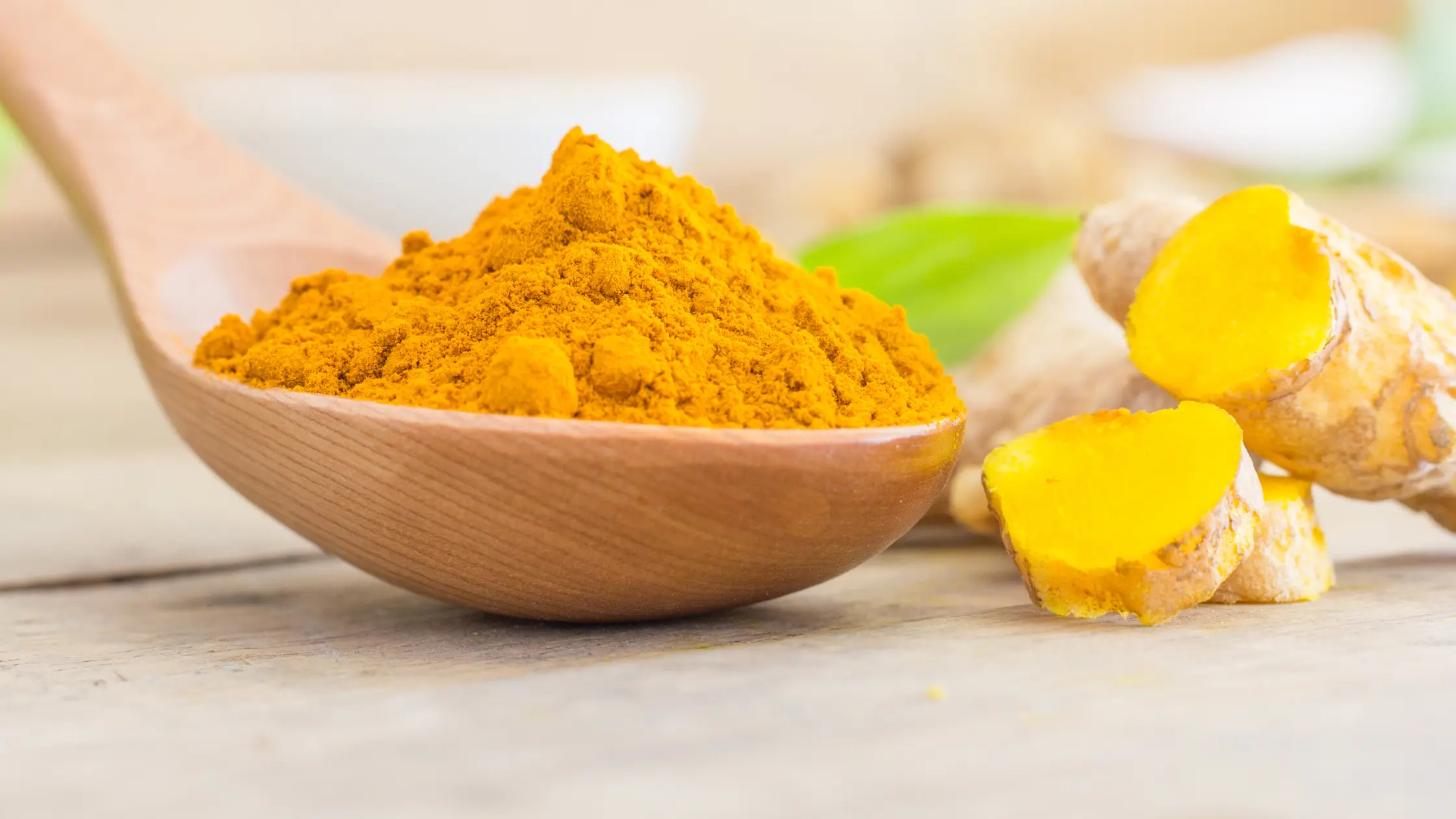
Although the benefits of turmeric are widely known, many people have doubts about the best way to include it in their daily routine.
The truth is that there are several ways to use this spice and, with some smart tips, you can enhance its effects in a simple way.
Incorporating Turmeric into Your Diet
The easiest way to consume this spice is to add it to everyday recipes.
Because it is a versatile spice, it goes well with a wide variety of dishes, from soups and stews to smoothies and teas.
If you're looking for a tasty and effective approach, try adding turmeric to rice, sautéed vegetables, or even salad dressing.
An important tip is to always add a pinch of black pepper to increase the absorption of curcumin in the body.
Turmeric Supplements
If you're looking for a concentrated dose of curcumin, supplements can be an excellent option.
Many turmeric supplements are formulated with piperine.
That is, which significantly improves its effectiveness.
However, like any supplement, it is important to consult a doctor or nutritionist before starting use.
Especially if you are already taking anticoagulant or anti-inflammatory medications.
++ Morning Immunity Shot: Here Are Some Recipes
Topical Use
Here, this spice can also be applied directly to the skin, especially to treat inflammatory conditions or mild infections.
In this sense, it is often used in face masks, thanks to its antibacterial and anti-inflammatory properties.
However, it is worth remembering that turmeric can temporarily stain the skin.
Therefore, it is recommended to test it on a small area before applying it to your face or other visible areas.
Important Considerations for Using Turmeric
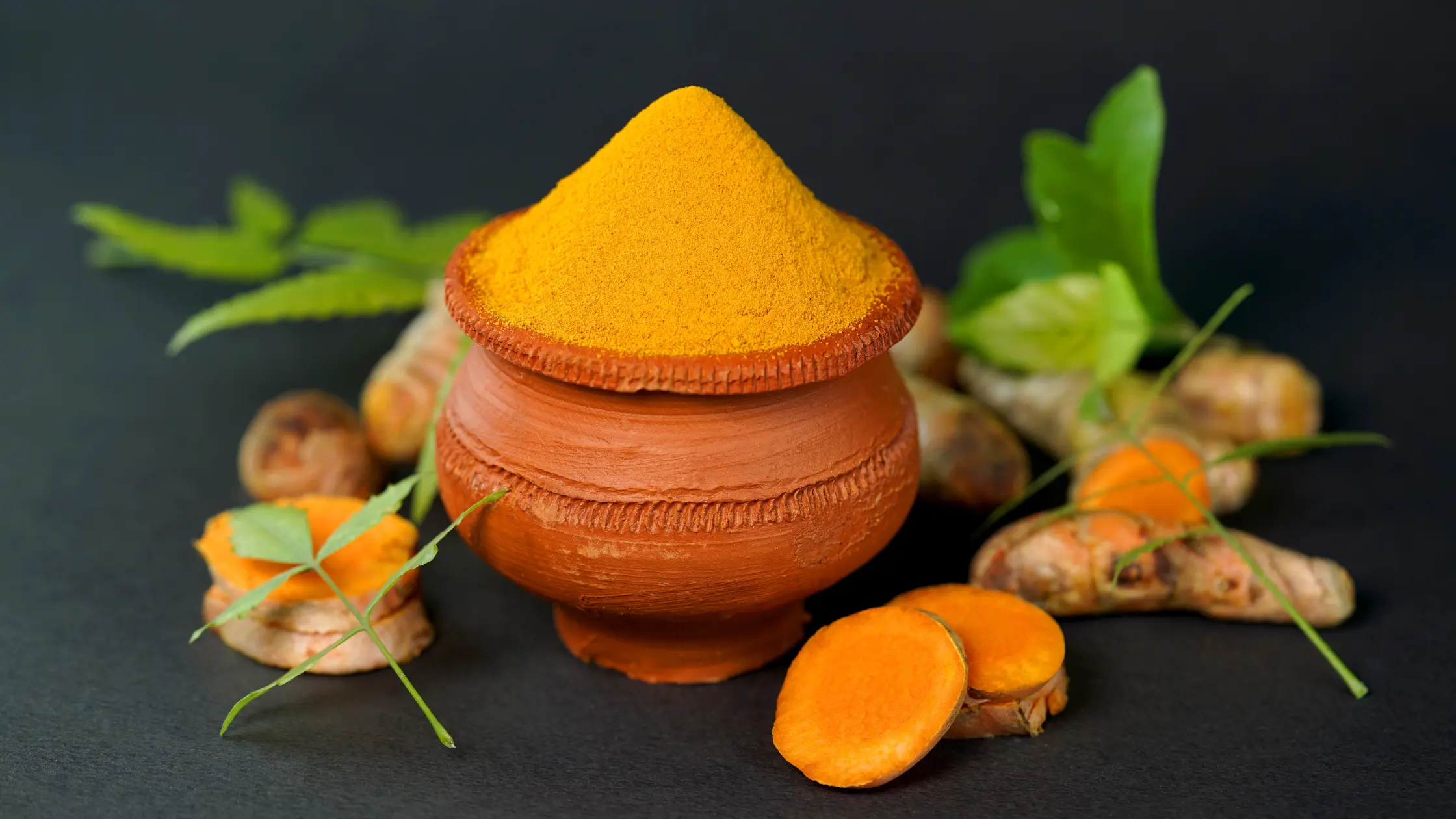
Although turmeric is a natural ingredient with numerous benefits, it is essential to use it consciously to avoid excess or unwanted interactions.
Like any substance, consumption in large quantities can have adverse effects.
1. Recommended Dose
Most studies use curcumin dosages ranging from 500 mg to 2 g per day. This would be equivalent to consuming about 1 to 2 teaspoons of turmeric daily.
However, curcumin is only a small part of turmeric, meaning that you would need to consume large amounts of the spice to reach therapeutic levels.
Therefore, supplementation can be a solution for those looking for more concentrated effects.
2. Contraindications and Side Effects
People taking blood thinners such as warfarin should exercise caution when consuming turmeric.
Because it can enhance the effect of these medications and increase the risk of bleeding.
Additionally, in some people, excessive use of turmeric can cause gastric discomfort or allergic reactions.
Therefore, it is always advisable to speak to a healthcare professional before making significant dietary changes.
3. Turmeric and Pregnancy
During pregnancy, consuming turmeric as a spice in your diet is generally considered safe.
However, high doses, such as those found in supplements, are not recommended without medical advice, as they can stimulate uterine contractions or affect hormonal balance.
Therefore, pregnant women should consume turmeric in moderation and with caution.
+ How to Make Homemade Doritos: Taste Just Like the Original!
Conclusion
This spice is much more than just a spice; it is a true source of health benefits, capable of preventing diseases, fighting inflammation and protecting cells from aging.
Incorporating turmeric into your diet is a smart way to take advantage of its properties, but it is important to be aware of the best ways to consume it and possible contraindications.
By adding turmeric to your daily routine, you not only improve your health naturally, but you also enrich your recipes with a special touch of flavor and color.
So, don’t hesitate to give it a try. After all, turmeric could be the missing ingredient for a more balanced and healthy life.