
Foods That Are Good for Your Heart and Which to Avoid
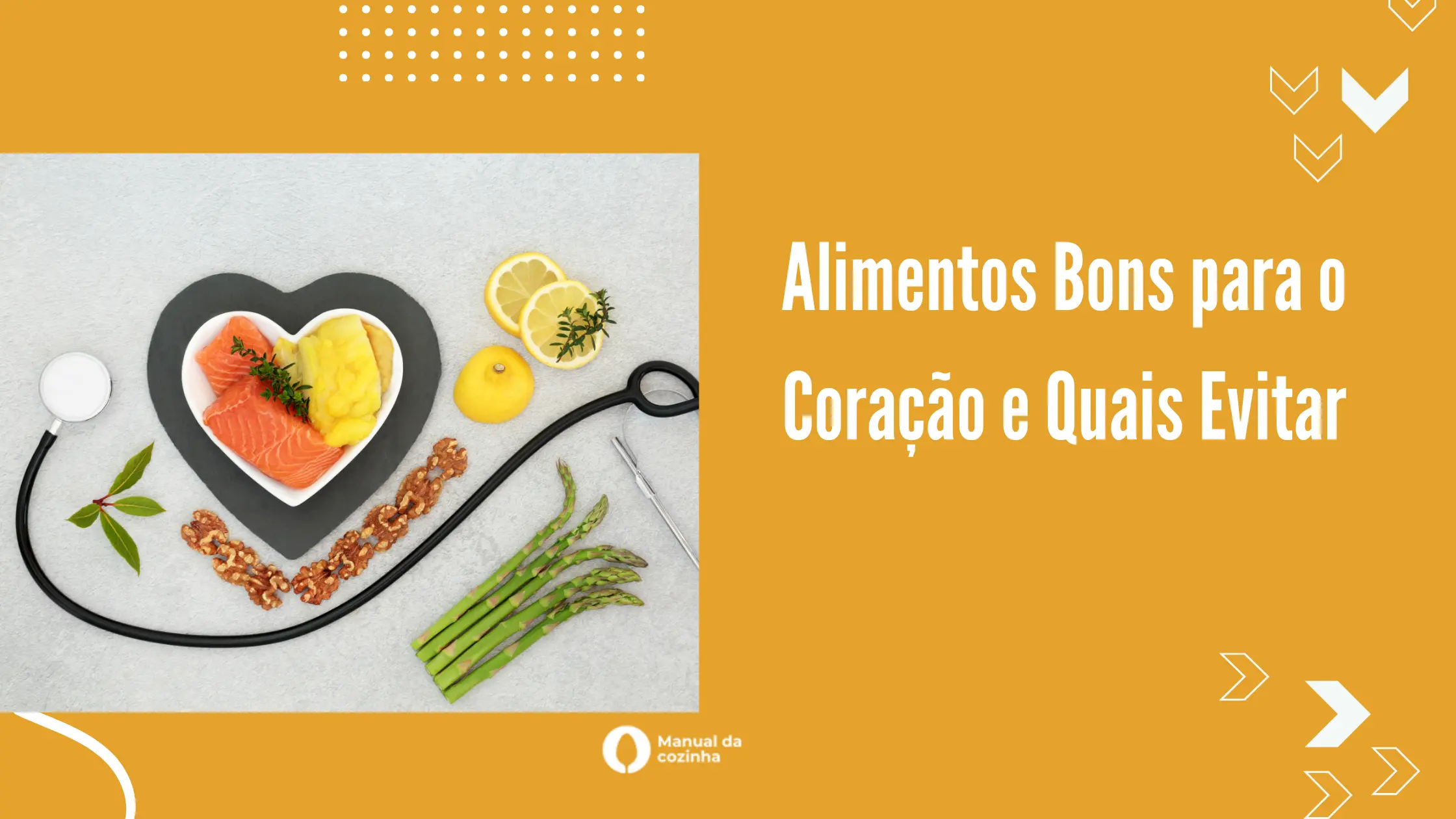
Find out in this article which foods are good for your heart and which ones you should avoid to stay healthy!
Adverts
Continue reading and find out more:
See too: Morning Immunity Shot: Here Are Some Recipes
Foods That Are Good for Your Heart and Which to Avoid
Taking care of your cardiovascular health is one of the main pillars for a long, quality life.
An adequate diet, rich in specific nutrients, can considerably reduce the risk of heart disease.
Adverts
At the same time, certain foods can be real villains for the heart.
If you want to protect your cardiovascular system, knowing which foods are good for your heart and which ones to avoid is essential.
Let's explore this question in detail.
1. Salmon: the powerhouse of omega-3
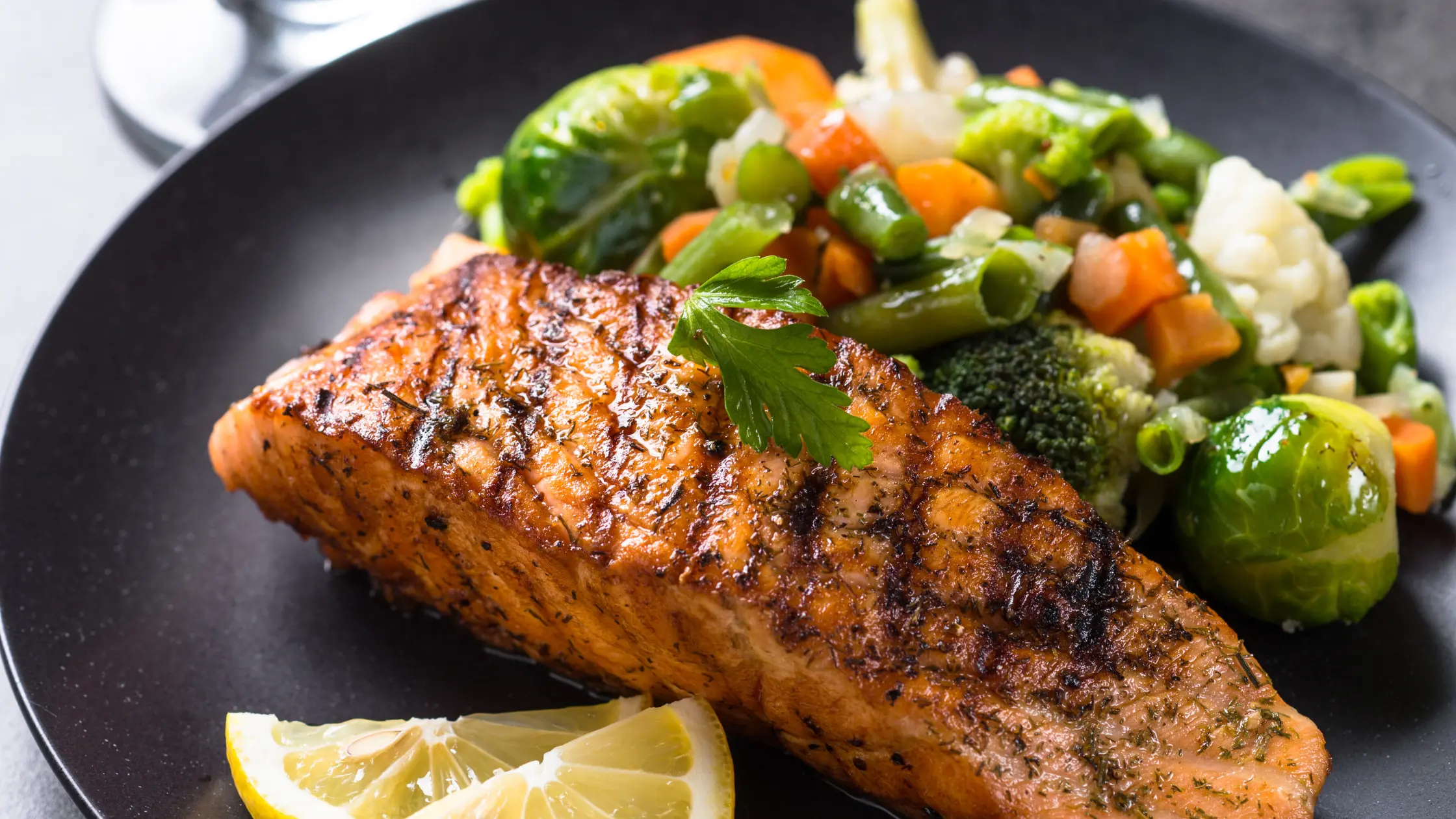
Salmon is one of the most recommended foods for heart health, mainly because it is a rich source of omega-3 fatty acids.
These acids are essential for reducing bad cholesterol (LDL) levels and increasing good cholesterol (HDL), which helps prevent plaque buildup in the arteries.
Furthermore, the omega-3 present in salmon has anti-inflammatory properties.
Chronic inflammation is one of the main causes of vascular damage, which, in the long term, can develop into heart disease.
By including salmon in your diet, you not only strengthen your heart, but also improve the health of your brain and joints.
Another important point is that salmon contains potassium and selenium, two minerals that help maintain stable blood pressure and ensure the health of heart cells.
However, it is important to opt for less processed versions and avoid excessive consumption of smoked salmon, which can be high in sodium.
| Nutrient | Amount per 100g of Salmon |
|---|---|
| Omega-3 | 1.8g |
| Potassium | 490mg |
| Selenium | 36.5µg |
| Proteins | 20g |
2. Heart-friendly foods: Avocado, the heart-friendly fat
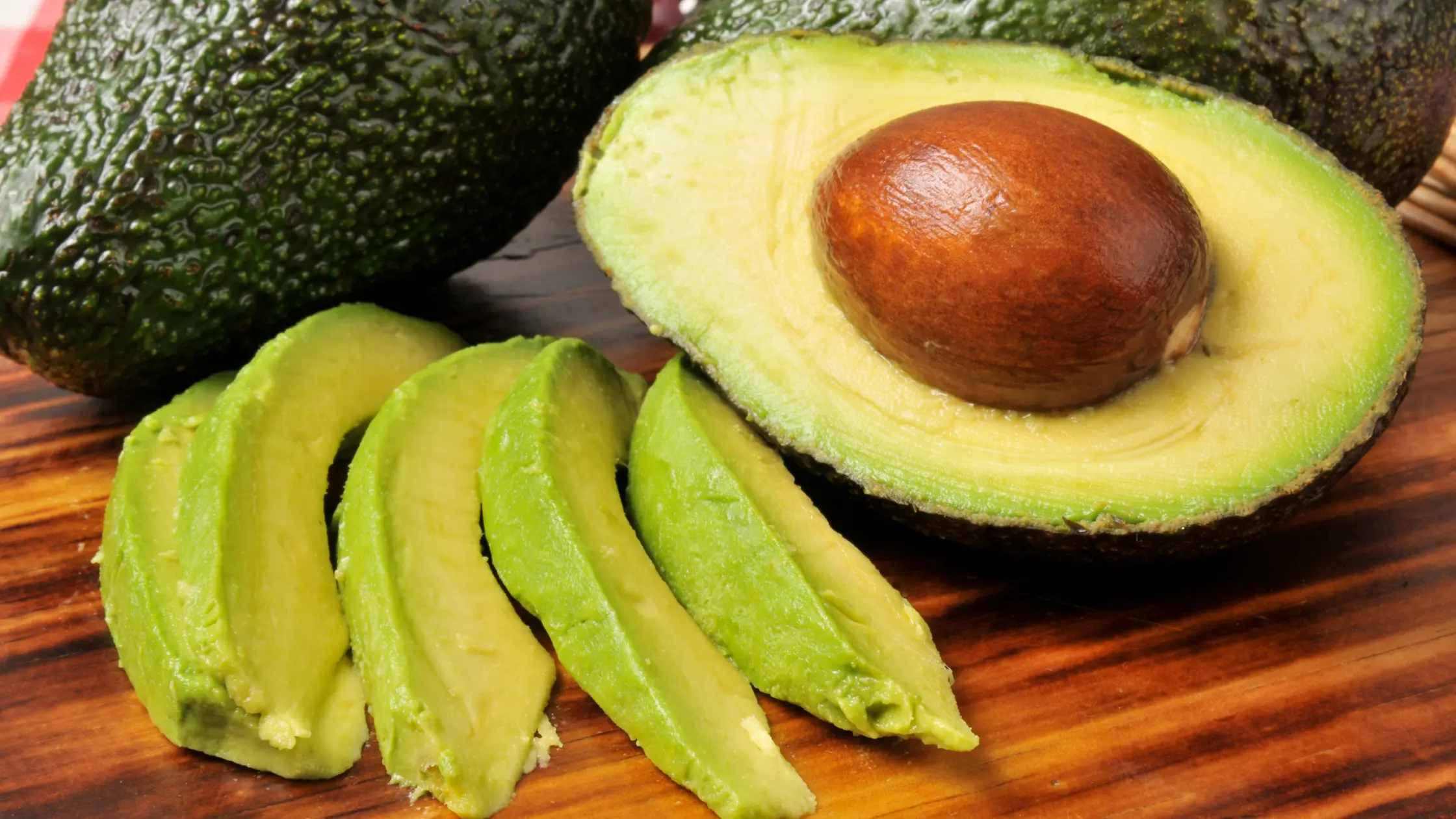
Avocado, often considered a superfood, is among the best allies for cardiovascular health.
Rich in monounsaturated fats, it helps regulate cholesterol levels, reducing the risk of coronary heart disease.
The healthy fats in avocados promote artery elasticity and improve blood circulation.
Furthermore, avocado is full of antioxidants, such as vitamin E, which fights free radicals responsible for cellular aging.
This is crucial for protecting blood vessels, as oxidative stress is directly linked to an increased risk of heart disease.
Another great benefit is the fact that avocado is an excellent source of potassium, a mineral that helps maintain balanced blood pressure.
By including avocado in your diet, you will not only be taking care of your heart, but you will also be contributing to the health of your skin and eyes, thanks to its high content of vitamins and antioxidants.
| Nutrient | Amount per 100g of Avocado |
|---|---|
| Monounsaturated fat | 9g |
| Potassium | 485mg |
| Vitamin E | 2.1mg |
| Dietary fiber | 7g |
++ Benefits of Peas: Why This Little Bean Is Essential for Your Health
3. Oats: a grain that protects the heart
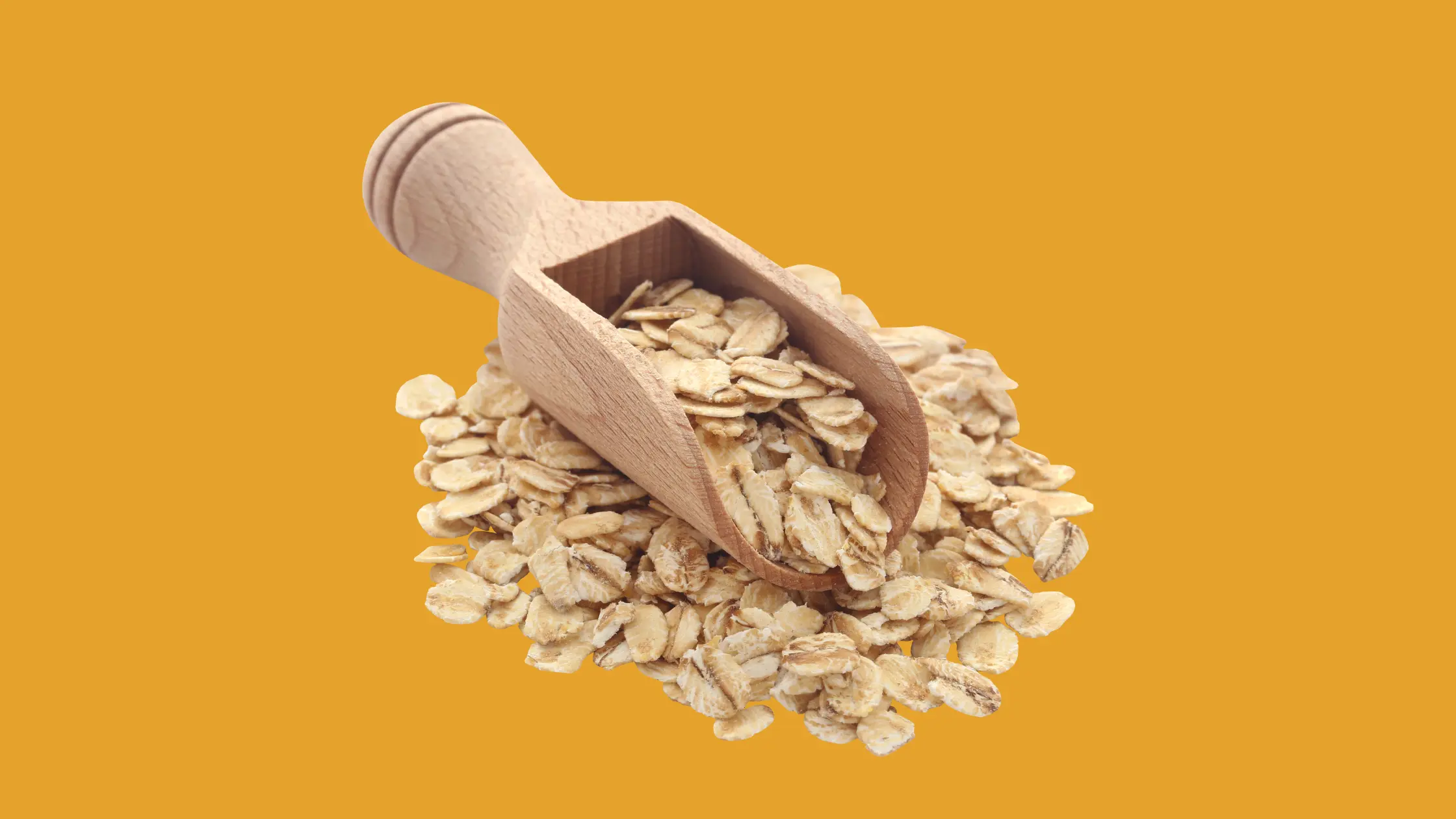
Another food widely known for its heart benefits is oats.
Rich in soluble fiber, especially beta-glucan, oats help reduce blood cholesterol levels.
This type of fiber forms a type of gel in the intestine, which prevents the absorption of LDL cholesterol, promoting a significant reduction in its levels.
Additionally, oats are an excellent option for those looking to control their weight, another important factor in preventing heart disease.
Fibers provide greater satiety, avoiding glucose spikes and reducing the risk of obesity, which is directly linked to cardiovascular problems.
Another benefit of oats is their ability to help regulate blood pressure.
It contains antioxidants, such as avenanthramides, which improve endothelial function and help relax blood vessels, facilitating blood flow and preventing hypertension.
| Nutrient | Amount per 100g of Oats |
|---|---|
| Soluble fibers | 4g |
| Proteins | 13g |
| Magnesium | 177mg |
| Carbohydrates | 66g |
4. Nuts: Walnuts and Almonds for a Strong Heart
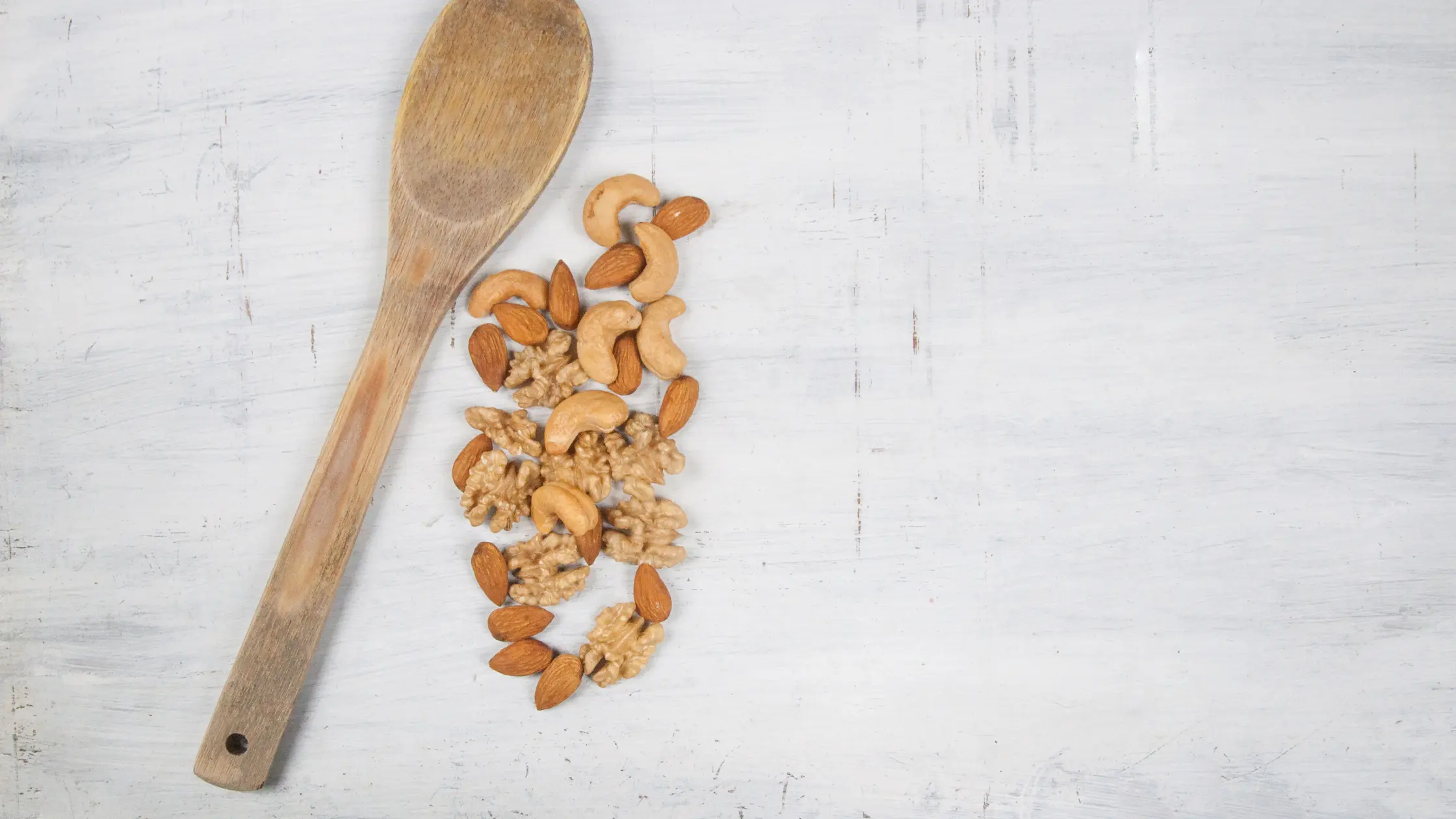
Nuts, such as walnuts and almonds, are powerful foods for the heart, thanks to their composition rich in healthy fats, proteins and fiber.
They are an excellent source of monounsaturated fatty acids, which help control cholesterol levels and protect arteries from inflammation.
Studies show that regular consumption of walnuts and almonds can reduce the risk of cardiac events.
For example, such as heart attacks and strokes, due to the presence of bioactive compounds such as phytosterols and antioxidants.
Additionally, these foods are rich in magnesium, an essential mineral for regulating blood pressure.
However, despite its benefits, you need to be careful with portion sizes.
Nuts are high-calorie foods, and excessive consumption can contribute to weight gain, a risk factor for heart disease.
Therefore, a moderate portion (about 30g per day) is enough to obtain its benefits.
| Nutrient | Amount per 30g of Nuts/Almonds |
|---|---|
| Good fats | 15g |
| Proteins | 5g |
| Magnesium | 80mg |
| Fibers | 2g |
+ Oatmeal Rice: Benefits and How to Prepare
5. Heart-Friendly Foods: Dark Green Vegetables, an Antioxidant Shield
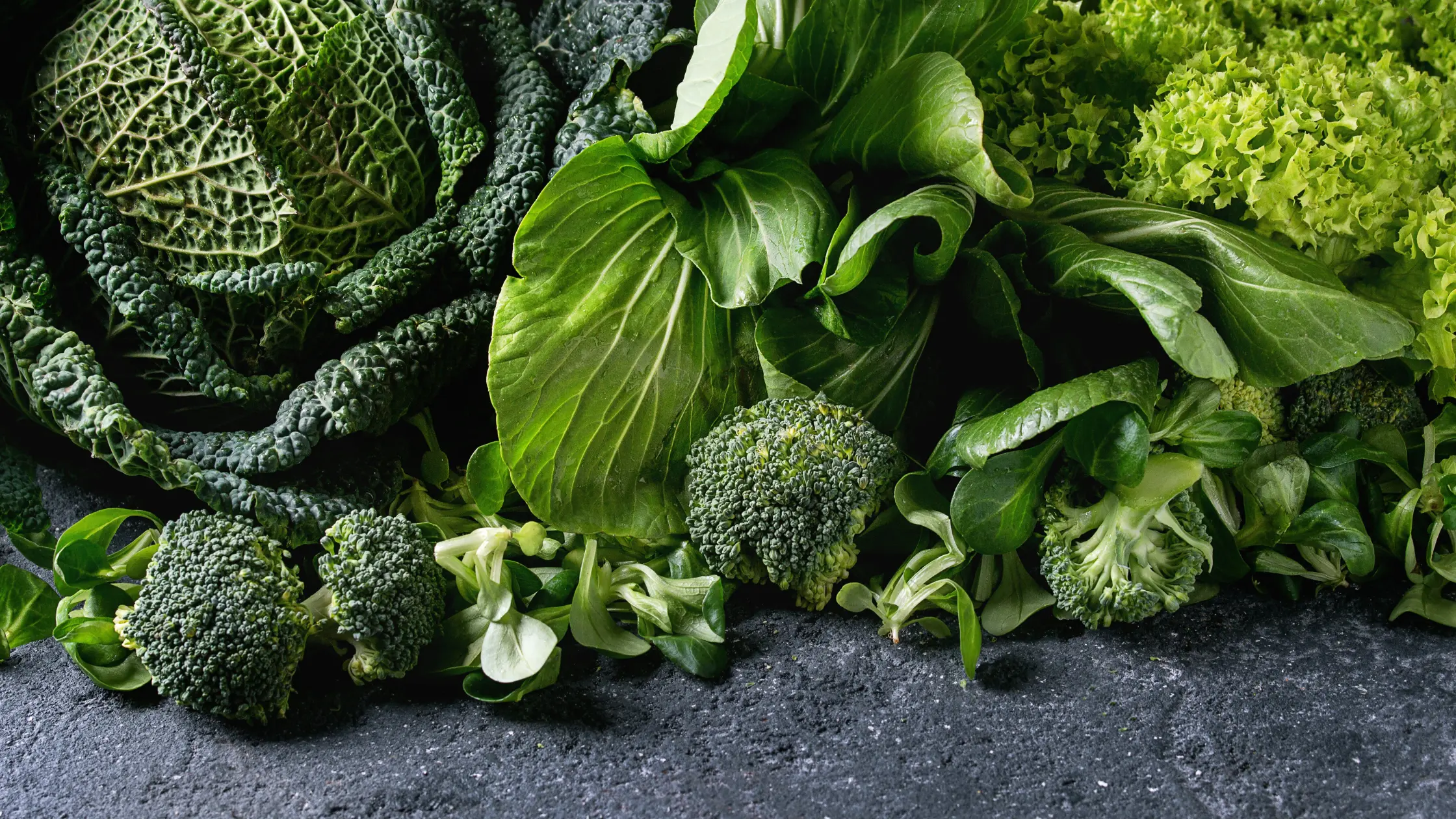
Vegetables like spinach, kale, and broccoli are extremely beneficial for heart health.
They are rich in antioxidants, such as vitamin C and flavonoids, which help protect heart cells from oxidative stress.
Additionally, they contain natural nitrates, which help dilate blood vessels, improving blood flow and reducing blood pressure.
These vegetables are also excellent sources of fiber, which helps control cholesterol levels.
The fibers present in dark green vegetables promote the elimination of excess cholesterol in the body, reducing the risk of plaque formation in the arteries.
Another benefit is the high folate and magnesium content of these vegetables, both essential for the health of the cardiovascular system.
While folate helps reduce homocysteine levels, an inflammatory marker linked to heart disease risk, magnesium helps relax blood vessels and regulate heart rhythm.
| Nutrient | Amount per 100g of Spinach |
|---|---|
| Vitamin C | 28mg |
| Fibers | 2g |
| Magnesium | 79mg |
| Folate | 194µg |
Foods to avoid to protect your heart
While including the right foods in your diet is crucial for heart health, it's equally important to avoid the ones that are harmful.
Here are three types of foods that should be consumed with extreme caution:
- Ultra-processed foods: products such as snacks, fast food and processed foods are rich in trans and saturated fats, which increase bad cholesterol levels and promote inflammation in the arteries.
- Foods rich in sodium: Excessive salt consumption is directly linked to high blood pressure, one of the biggest risk factors for cardiovascular disease. Products such as processed meats and frozen meals tend to have high sodium levels.
- Refined sugars: Excess sugar can cause weight gain and increased triglyceride levels, two factors that negatively affect the heart. Processed juices, soft drinks and sweets should be avoided or consumed in moderation.
Adopting a healthy diet is the first step to taking care of your heart.
So, focus on the right foods and avoid the villains of heart health to ensure a longer and fuller life.