
How to preserve homemade bread for longer
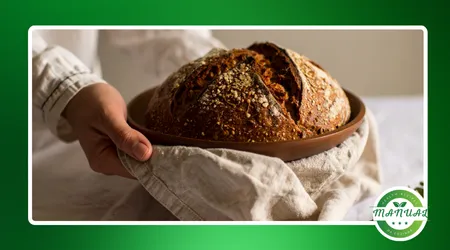
Unlike industrially produced options full of preservatives, homemade bread has a naturally shorter shelf life, requiring specific storage techniques.
Adverts
In this guide, we'll explore tried-and-tested methods for preserving the texture and flavor of your recipes.
Table of Contents
- The science behind starch aging.
- Room temperature storage strategies.
- How freezing preserves the structure of the kernel.
- Comparative table of shelf life by type of bread.
- Reheating techniques to restore crispness.
To understand how how to preserve homemade bread for longerWe need to understand starch retrogradation, a chemical process where moisture migrates from the core to the outer layer.
When bread comes out of the oven, the starch molecules are gelatinized, but as they cool, they begin to reorganize into a rigid, dry crystalline structure.
Environmental factors such as relative humidity and fluctuating temperature accelerate this degradation, making the bread opaque, crumbly, and lacking its original characteristic aroma.
Adverts
Naturally fermented breads, known as sourdoughThey resist this process better due to the acidity of their pH, which naturally slows down fungal growth and crystallization.
Knowing how to manipulate these biological variables is fundamental for anyone seeking excellence in home baking, ensuring that the investment in high-quality ingredients is not quickly wasted.
Read more: Tricks for peeling garlic and onions quickly
What are the best packaging options for maintaining freshness?
The choice of container determines whether you will succeed. how to preserve homemade bread for longer Or you'll have a moldy piece of furniture in just forty-eight hours of rest.
Kraft paper bags are ideal for hard-crusted breads, such as baguettes, as they allow for oxygen exchange without excessively trapping the natural moisture of the inner dough.
Cloth bags or the traditional wooden "bread box" offer a balanced environment, protecting against drafts that aggressively dry out the food.
Avoid using airtight plastic bags to store still-warm bread, as the condensed steam creates the perfect environment for mold colonies to grow in a very short time.
Using beeswax packaging has proven to be a sustainable and efficient alternative, as it mimics the protection of the husk while maintaining the malleability of the inner core.
++ Complete guide to dried spices: paprika, curry, cumin, oregano
Why should you never store bread in the refrigerator?
Many believe that refrigeration helps to how to preserve homemade bread for longerHowever, the science of baking proves exactly the opposite regarding preservation at low temperatures.
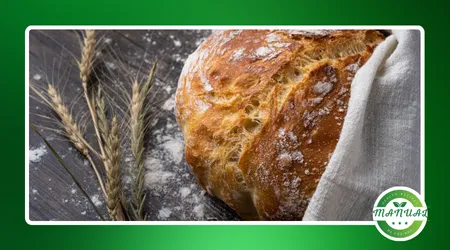
The refrigerator temperature, generally between 2°C and 7°C, drastically accelerates starch retrogradation, causing bread to go stale up to six times faster.
In this environment, water molecules move out of the starch cells, resulting in a rubbery texture on the rind and an extremely dry center of the slice.
Refrigeration is only recommended for industrially produced sliced bread that contains high levels of fat and chemical preservatives, which does not apply to handmade and artisanal products.
If the product will not be consumed within two days, the correct alternative is to skip the refrigeration step and proceed directly to freezing, preserving the integrity of the vegetable fibers.
++ The 72-Hour Timeline for a Perfect, Stress-Free Dinner
How does freezing contribute to preserving the structure?
Freezing is the most effective method for those who wish to how to preserve homemade bread for longer without losing the sensory properties of a batch baked on the same day.
When temperatures drop below -18°C, the water in the bread freezes rapidly, halting the molecular aging process and keeping the flour's natural sugars intact.
For optimal results, slice the bread before freezing, separating the portions with parchment paper, making it easier to remove only what will be consumed in each individual meal.
Wrap the slices in plastic wrap and then in a layer of aluminum foil to prevent freezer burn, which causes white spots and alters the final flavor.
According to the food safety guidelines of ANVISAFood stored properly in the freezer maintains its biological safety, although its sensory quality declines after three months.
Comparative table of bread shelf life.
Below, we present data on the resistance of different types of pasta when stored correctly at room temperature (25°C) and under suitable domestic freezing conditions.
| Type of Bread | Environment (Paper Bag) | Freezer (-18°C) | Main Feature |
| Natural Fermentation | 4 to 6 days | 3 months | High acidity preserves the core. |
| Homemade Sliced Bread | 2 to 3 days | 2 months | Rich in fats and milk |
| French Baguette | 12 to 18 hours | 1 month | Rapid loss of crispness |
| Whole Wheat Bread | 3 to 5 days | 3 months | Fibers retain more moisture. |
| Brioche / Sweets | 2 to 3 days | 2 months | Sensitive to butter oxidation. |
When and how should you reheat bread to restore its flavor?
Knowing how to regenerate dough is just as important as how to preserve homemade bread for longer, ensuring that the consumption experience is enjoyable and close to the original.
For frozen whole loaves, spray a little water on the crust and bake in a preheated oven at 180°C for about ten minutes until it regains its shape.
Individual slices can go directly from the freezer to the toaster, which caramelizes the surface sugars while quickly and conveniently defrosting the interior.
Avoid using the microwave, as it agitates the water molecules in a disordered way, resulting in bread that is initially soft but hardens like a rock seconds after cooling.
Proper regeneration allows residual internal moisture to be redistributed, restoring elasticity to the gluten and the aroma that perfumes the kitchen as if it were fresh bread.
Conclusion
Master the art of how to preserve homemade bread for longer It transforms your kitchen routine, allowing you to enjoy healthy food without the pressure of immediate consumption.
The combination of choosing the right packaging, understanding the chemical processes of starch, and using the freezer intelligently ensures the longevity of your culinary creations.
By avoiding the refrigerator and prioritizing methods that respect the hydration of the dough, you value the time invested in preparation and significantly reduce the waste of high-quality ingredients.
Always keep your storage accessories clean and dry, as hygiene is the first barrier against the premature degradation of any lovingly crafted handmade product.
For more technical information on food science and nutritional safety, consult the publications of Food and Agriculture Organization of the United Nations (FAO).
Frequently Asked Questions
Can I store homemade bread in plastic bags?
Plastic wrap is only suitable for soft-crusted bread that is completely cool. If there is heat, the resulting condensation will cause mold to grow within a few hours.
What's the best place in the kitchen to keep bread?
Choose a cool, dark place away from heat sources such as the stove or direct sunlight, which accelerate the drying of the bread fibers.
Does naturally fermented bread last longer?
Yes, the organic acids produced by lactobacilli during long fermentation act as natural preservatives, inhibiting microorganisms and maintaining moisture for more days than commercial yeast.
How can you tell if bread is still safe to eat?
Visually inspect the product for greenish or white spots and smell it. If there is a strong alcoholic or moldy odor, discard the product immediately for your safety.