
Tricks for peeling garlic and onions quickly
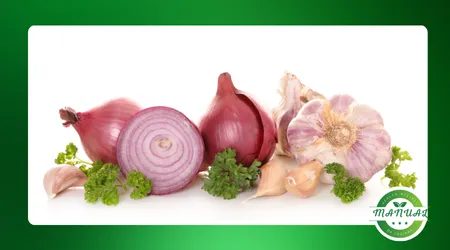
Peeling garlic and onions quickly: Cooking at home has become more than a necessity; it's a hobby, an act of self-care.
Adverts
However, busy routines demand practical and quick solutions. The repetitive act of removing the thin skins from garlic and the layers from onions consumes precious minutes.
Efficiency in initial preparation directly impacts the enjoyment and frequency with which we cook. Reducing "pre-preparation fatigue" is therefore an important goal.
Nobody likes to cry over the cutting board more than necessary.
Mastering the right techniques means you'll spend less time toiling and more time enjoying your creation.
Adverts
Optimizing this step is an investment in your culinary satisfaction. It's possible to cook complex dishes in less time.
How can the hot water technique help peel garlic quickly?
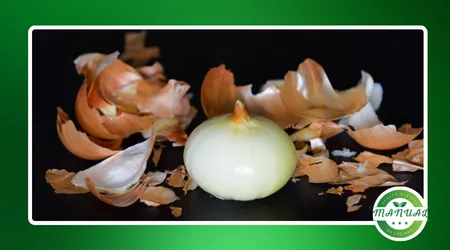
The nature of garlic, with its thin, clinging skin, makes it particularly challenging to peel. The secret lies in dehydrating or thermally shocking the skin.
The most effective technique for garlic is thermal shock with hot water, a quick and surprising method.
Simply place the garlic cloves in a bowl. Add hot (not boiling) water and let it steep for about a minute.
++Lentil Stew with Meat Recipe
This quick dip causes the shell to loosen from the tooth, making manual removal easier. Then, drain the water and, with a light squeeze, the shell will slide off.
For large quantities, the stirring method is superior. Place the cloves in two metal pots or two large bowls, closing them tightly. shakerShake vigorously for 20 to 30 seconds.
The collision between the teeth and the pot wall removes most of the shells effortlessly. This professional method is key to... peel garlic and onions quickly when the volume is high.
What are the best professional tricks for peeling onions without crying?
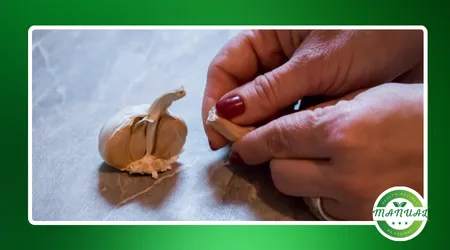
Onions present a different challenge, involving the removal of their dry outer skin and minimizing the production of lachrymatory compounds. A smart cut is key to efficiency.
++What can't be missing in the kitchen of someone who lives alone
Start by cutting off both ends of the onion: the root and the tip. This simple step is the key to... peel garlic and onions quickly.
Next, make a shallow but firm cut from the tip to the root, going only through the bark. Using your hands, pull off the outer layer.
If the onion is very fresh or sticky, cooling it may help. Place the onion in the refrigerator or in the... freezer Leave for 10 minutes to firm up the peel.
To stop crying, contact with cold water is the oldest and most effective solution.
Soaking the onion in cold water for five minutes before peeling it reduces the release of gas. propanethial sulfoxide.
The Technology and Science Behind Culinary Efficiency
Scientific research supports the effectiveness of these simple tricks. For example, a study from Oxford University demonstrated the importance of temperature in the process.
Heating vegetables for a short period alters the molecular structure of their skins.
This is particularly true for garlic. The difference in density and moisture between the clove and the skin is maximized by heat. The thermal shock acts like a switch.
Similarly, think about how you peel a boiled egg. Immersing it in ice water after cooking contracts the shell, making it easier to separate the membrane.
The principle for garlic is similar, although reversed with heat.
Onions, on the other hand, require precision. Have you ever stopped to think how much time you would save if you did this three times a week? The total annual difference is surprising.
| Technique | Main Ingredient | Average Peeling Time (per 5 units) | Estimated Efficiency Gain |
| Hot water (1 min) | Garlic (Cloves) | 30 seconds | +60% |
| Cut at the Ends | Onion | 15 seconds | +40% |
| Vigorous Agitation | Garlic (Cloves) | 40 seconds | +50% |
The data in the table above illustrates the impact of these optimized methods. For the amateur cook, who often gives up due to the slowness of the process, the change is radical.
Peeling garlic and onions quickly: A practical application for everyday life.
Imagine preparing dinner after a long day at work. The recipe calls for chopped garlic and onion. Cook A uses the traditional method, trying to remove the dried skins with his fingernail.
He spends approximately 5 minutes just on prep work.
Chef B, an expert, uses the pot to peel garlic and onions quickly and cutting the ends of the onion. The total time spent is reduced to less than 2 minutes.
This 3-minute difference, when multiplied by five dinners a week, represents 15 minutes saved each week.
In a year, that's 13 hours. Thirteen hours that you can dedicate to reading, relaxing, or socializing.
In another example: a chef of catering You need 5kg of peeled garlic. The shaking method with metal containers is the only viable one.
Attempting to peel it by hand would be impractical and costly in terms of labor.
According to the United States Department of Agriculture (USDA), food waste at home, often due to the difficulty of processing vegetables, is a growing concern.
Using effective techniques minimizes the disposal of good pieces.
Conclusion: Mastering the Art of Peeling
Peel garlic and onions quickly It's more than a trick; it's a fundamental skill that optimizes your time.
The kitchen is a laboratory of efficiency and flavor. Knowledge of simple yet powerful techniques makes all the difference.
Adopt these methods and watch your productivity increase. Don't let stubborn husks be the reason you ask for food. delivery.
With these tips, you're ready to cook with more passion and less frustration. What culinary mystery remains for you to unravel, now that time is no longer an issue?
Peeling garlic and onions quickly: Frequently Asked Questions
Q: Is it true that peeling onions underwater solves the problem of crying?
A: Yes, the cold water method is quite effective. Propanethial sulfoxide, the compound that causes the irritation, is water-soluble.
When you peel an onion under running water or very close to it, the water absorbs the compound before it reaches your eyes.
Q: Can I use the microwave to heat the garlic instead of hot water?
A: It's possible, but it's less recommended for garlic, as the dry, rapid heat can begin to cook the clove.
Hot water is preferable because it gently hydrates the skin, causing it to separate, without altering the internal texture of the garlic.
Q: Do the tricks for peeling garlic and onions quickly alter the flavor of the ingredients?
A: No. The techniques presented (hot water for one minute, cutting at the ends, cooling) are very brief and superficial in action.
They act only on the peel or outer surface, without penetrating the inside of the garlic or onion, ensuring that the flavor remains unchanged and fresh for your recipe.