
How to store breast milk? What do experts say?
How to store breast milk is a frequently asked question. This article will provide all the information you need to do everything correctly and use it without fear. So, check out storage, defrosting and use.
Adverts
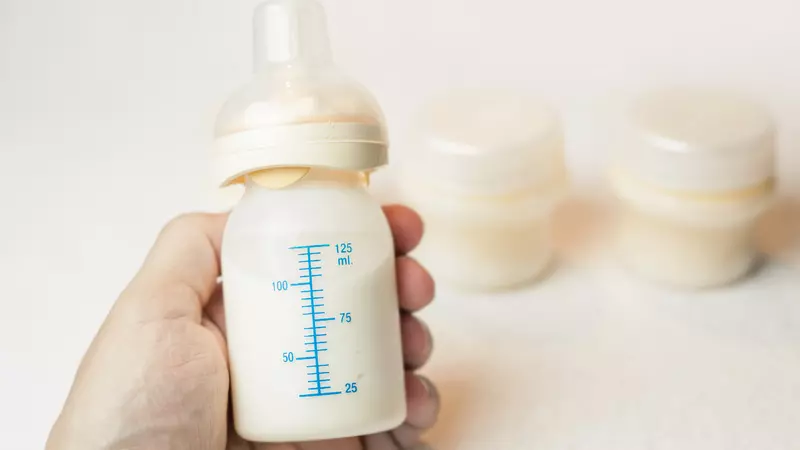
Mothers and those who care for newborns as they go through the breastfeeding phase, it is crucial to be completely safe with this breast milk and to follow the steps indicated for storing and defrosting it correctly.
Below we show some more general guidelines for storing breast milk at different temperatures. Here are some points to consider, such as:
- Milk texture
- The natural temperature once the milk is extracted
- Refrigerator and freezer temperature fluctuations
- Hygiene of the place
All of this affects the durability of breast milk, making it safer. Therefore, before extracting or handling this milk, it is necessary to:
- Make sure your hands are properly washed with soap and water. If you don't have any of these items, opt for an alcohol-based hand sanitizer that has at least 60% of alcohol in its composition.
- There are two alternatives for extracting breast milk, first manually or using an electric pump that is sold in stores.
- Therefore, if you choose the pump, check the items that come with it to make sure they are clean. And throw them away or replace them if any of the parts show mold/fungus.
How to store breast milk once it is expressed?
First of all, write down the date and time you removed the milk from your breast on the container (bottles or disposable bags).
Adverts
Never place your expressed milk in refrigerator or freezer doors, always leaving it at the back. This will help protect the breast milk and the temperature changes that occur when these appliances are opened and closed.
If you notice that you will no longer use the milk you just expressed, freeze it immediately after four days. This will protect the condition of your breast milk.
However, freeze the milk in smaller portions, from 60 ml to 120 ml or the same amount allowed when breastfeeding, avoiding discarding what may not be ingested at the time of breastfeeding.
Once you freeze it, leave a space of around 2.5 cm on the surface of the containers you used, because the milk gains volume as it freezes.
Milk should be stored in a cooler bag or in a cooler that seals well. Use ice packs or artificial ice that will last up to 1 day if you are traveling. When you arrive at your destination, use your milk immediately and store it in the refrigerator or freeze it.
Thaw breast milk safely
As you note the date and time the milk was expressed, prioritize defrosting breast milk with more storage time.
Use the method that best suits your needs and ensures that the milk is defrosted as close as possible to the time of breastfeeding.
Discover the different ways to defrost breast milk:
- Leave in the refrigerator overnight.
- Place in a bowl with warm water.
- Leave it in warm running water.
- Never defrost or heat breast milk in a microwave. This equipment can destroy the nutrients in breast milk and keep areas warm, which can burn your baby's mouth.
- Use the milk within 24 hours of completely defrosting it in the refrigerator. In fact, start counting the 24 hours as soon as the milk is completely defrosted.
- As soon as breast milk reaches its most natural temperature, it must be ingested within 2 hours.
- Under no circumstances should you return breast milk to the freezer after it has been thawed.
Breastfeeding with thawed breast milk
There is no need to heat this breast milk and it can be consumed by your baby at its most natural temperature or cold. So if you decide to heat breast milk, check out these tips:
- Always leave the container sealed when heating it.
- Warm the milk by pouring it into a bottle that fits in a container or pot using warm water for a few minutes or running warm (not too hot) water from a tap for a few minutes.
- Never heat your breast milk directly on the stove or, especially, in a microwave.
- Always check if the breast milk is too warm, even before giving it to your baby, by dripping it onto your wrist, making sure it is at a warm temperature, not heated.
- Stir the milk every time so that it can incorporate the fat, which may have separated.
- If the baby does not drink the entire bottle, the remaining milk can be used in just 2 hours. After 2 hours, the remaining milk should be thrown away.
How to store breast milk: Cleaning and sanitizing breastfeeding utensils
Pay close attention to cleaning, sanitizing and storing these types of materials that are in the pump, bottles and the variety of breastfeeding items, thus preventing breast milk from becoming contaminated.
Truths and myths about donating breast milk
Since the topic is breastfeeding, we will show mothers 5 myths or truths about donating breast milk.
Is it enough to be a healthy mother to be able to donate? TRUE
If the mother is in good health and is not taking medication, alcohol or drugs, the milk donation is only guaranteed after undergoing rigorous screening to ensure safe milk consumption for babies. And remember that there is no such thing as weak milk; breast milk is already a rich food.
Is it risky to receive milk donations in hospitals? MYTH
To prevent contamination, milk banks adopt strict sanitary measures, meaning that milk to be donated must undergo a laboratory test and pasteurization.
Is it also risky to breastfeed a baby other than your own? TRUE
Cross-nursing, as this attitude is also known, is not recommended at all, as it can leave the child exposed to disease and infections.
Is there a minimum amount for donating breast milk? MYTH
There is no such thing as quantity because a little can save many newborns. According to the Ministry of Health, 1 ml is already a portion that is enough to feed any baby, and of course, according to their weight. So 1 liter of breast milk can feed up to 10 babies in a single day!