
Surprising Combinations and Unusual Flavors to Transform Your Dinner
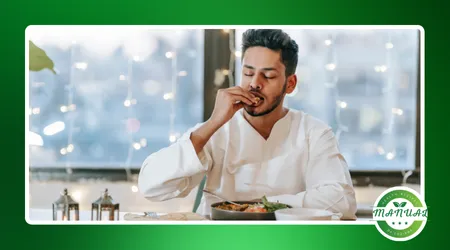
Routine sometimes leads us to repeat dishes and ingredients, leaving aside a universe of combinations. But it's possible to revolutionize your evening meals by exploring different unusual flavors to transform your dinner.
Adverts
The secret is not in complex recipes, but in the boldness of combining elements that, at first glance, seem incompatible.
Cooking, after all, is an art of experimentation, an alchemy laboratory where creativity is the main ingredient.
It's time to break free from the obvious and allow your palate to be guided by new sensations. The journey to unravel these combinations begins now, and it promises to be as delicious as it is intriguing.
The Unlikely Synergy: Fruit in Savory Dishes
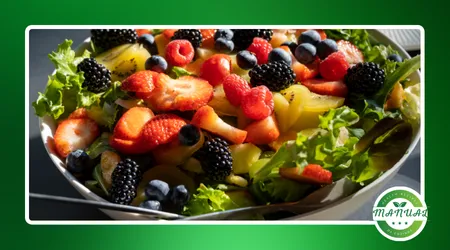
The sweetness of the fruits contrasts with the robustness of savory dishes, creating an unusual harmony.
Adverts
This duality of flavors elevates the experience to a new level, proving that opposites truly do attract in the kitchen.
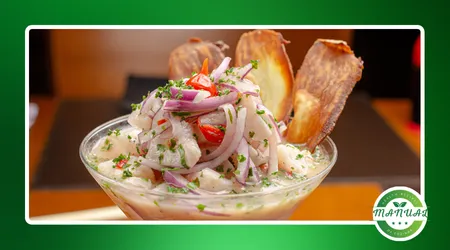
The acidity of strawberries, for example, cuts through the fat of roast duck, while mango adds a tropical touch to a ceviche of white fish, awakening the senses.
It's an ancient technique, present in many cultures, that shows how nature gifts us with perfect ingredients for culinary daring.
Including fruit in savory dishes isn't just a chef's trick; it's a flavor philosophy.
The Texture Secret: Combining Crunchy and Creamy
Texture is a fundamental component in the perception of flavor, and the combination of crunchy and creamy is one of the pillars of haute cuisine.
++Mashed Yam: A Comforting Recipe
Think of the smoothness of risotto contrasting with the crunch of toasted almonds. Or the creaminess of burrata cheese paired with the liveliness of homemade bread crumbs.
This tactile interaction in the mouth stimulates the brain, making each bite a discovery. It's this duality of sensations that creates a complete dining experience.
This simple yet effective technique can elevate any meal.
Spices of the World: A Journey in Every Spoonful
Globalization has brought us access to a huge variety of spices and seasonings.
++Egg recipes that are perfect for lunch or dinner
Exploring the cuisine of other countries is like traveling without leaving home, and using condiments like sumac, za'atar or smoked paprika is a way to infuse the history and culture of distant peoples into our dishes.
The magic of a good seasoning lies in its ability to completely transform a simple ingredient.
A chicken breast, for example, can gain the aromatic complexity of Moroccan cuisine with the addition of cumin, coriander, and ginger.
++Lunch and dinner dishes you can freeze
It's a way to innovate and escape the monotony, and this boldness is the key to creativity in any kitchen, resulting in unusual flavors to transform your dinner.
Cheese and Wine: A Pair That Goes Beyond the Obvious
Pairing cheese and wine is a classic, but few people explore more daring combinations. How about goat cheese with Sauvignon Blanc?
Or a robust blue cheese with a Port wine? The acidity, tannin, and sweetness balance each other, creating a symphony of flavors on the palate.
This is an area of endless experimentation. The rule is not to follow tradition, but rather to seek the pleasure of discovering new gastronomic combinations.
The union between these two worlds can elevate any meal to a special event, full of nuances and elegance.
The Power of Fermentation: A Touch of Umami
Fermented foods like kimchi, miso, and sauerkraut are rich in umami, the fifth taste.
Including these ingredients in everyday dishes adds a depth of flavor that is difficult to achieve otherwise.
Sauerkraut, for example, can be a perfect accompaniment to sausage, while kimchi adds a spicy and tangy touch to fried rice.
Fermentation is an ancient process that transforms simple foods into flavor powerhouses. Its presence in the dish is subtle yet striking, elevating the experience to chef-level.
The Contrast of Temperatures: Hot and Cold in the Same Bite
The sensation of hot and cold in the same bite is a fascinating sensory experience. Think of a hot pumpkin soup served with a scoop of cold yogurt in the center.
Or a freshly baked brownie accompanied by a scoop of vanilla ice cream. This duality of temperatures creates an explosion of sensations that sharpens the palate.
The body reacts to this combination with surprise and pleasure. This technique isn't just about flavor, it's about the vividness of the experience.
The Art of Flavoring with Edible Herbs and Flowers
Using fresh herbs and edible flowers is an elegant way to add not only flavor but also visual appeal to your dish.
Lavender, for example, can infuse a creme brûlée with a floral aroma, while fresh marjoram elevates the flavor of a tomato sauce.
Edible flowers, such as nasturtium or borage, not only add beauty but also offer a subtle, spicy flavor that can surprise. It's nature in all its splendor, adorning and perfuming food.
Classic Combinations with a Modern Twist
There are perfect pairs that can be revamped with a simple touch of creativity.
Rice and beans, for example, can be given a new lease of life with the addition of a lemon and cilantro vinaigrette.
Banana with cinnamon can be combined with a touch of grated ginger.
The familiarity of the base flavor, combined with the novelty of the extra ingredient, creates an experience that is both comforting and surprising.
This is the essence of innovation in the kitchen: respecting tradition, but daring in execution.
Table of Unusual Flavors to Transform Your Dinner
| Main Flavor | Surprising Combination | Why Does It Work? |
| Roast duck | Strawberry Jam | The acidity of the jelly cuts through the duck fat, balancing the flavor. |
| Grilled Salmon | Pomegranate Sauce | The slightly sweet and acidic flavor of the pomegranate enhances the delicacy of the fish. |
| Cheese Risotto | Pancetta Chips | The salty crunch of the bacon contrasts with the creaminess of the risotto, creating texture. |
| Pork | Apple and Ginger Puree | The sweetness and acidity of the apple, with the spice of the ginger, balance the flavor of the meat. |
| Grilled Chicken | Mango and Pepper Sauce | The sweetness of the mango and the spiciness of the pepper create an explosion of exotic flavors. |
Conclusion: the audacity to innovate
The audacity to explore unusual flavors to transform your dinner it is an investment in your well-being and the pleasure of eating.
In a world where information and inspiration are just a click away, culinary stagnation is a choice, not a necessity.
Cooking is a universal language that connects us with cultures and people. Allow yourself to be an explorer in your own kitchen, and the rewards will be incalculable.
Frequently Asked Questions
1. How can I start making unusual combinations without wasting ingredients?
Start with small quantities and ingredients you already have. Try adding fruit to salads or fresh herbs to dishes you already know well. Experimenting is a gradual and fun process.
2. Are unusual combinations always healthy?
Not always. The focus is on the flavor experience, but it's possible to create delicious and nutritious combinations. For example, combining fermented vegetables with lean proteins is an excellent option.
3. Do I need to be a chef to make these combinations?
No. Cooking is accessible to everyone. The best way to learn is by doing. Start with simple recipes and add a touch of daring, like an exotic spice or a unique herb.
4. Where can I find inspiration for new combinations?
Seek inspiration from cookbooks, food blogs, and even conversations with friends. Street markets and local markets are great sources of diverse ingredients.
5. Is it possible to create unusual flavors to transform your dinner with everyday ingredients?
Yes. Creativity lies in how you use ingredients, not in their rarity. A touch of cayenne pepper in a tomato sauce or the addition of cinnamon to a ground beef dish can be enough to awaken a new palate.