Garlic in Food: The Seasoning that Transforms Flavor and Health
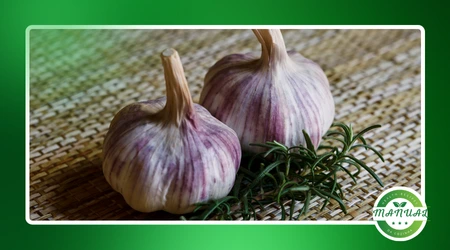
No ingredient is as versatile and powerful as garlic in food. It elevates simple dishes, heals for centuries and still surprises with science.
Adverts
Whether it's a basic stew on a Tuesday or a sophisticated sauce for a special dinner, garlic is that element that, when used well, transforms any recipe.
But its value goes far beyond its flavor. Recent studies reinforce its role in preventing diseases, strengthening the immune system and even controlling metabolism.
And the best part? It’s affordable, easy to use and can be found in almost every kitchen in the world.
Why, then, do so many people still underestimate their potential?
Adverts
An Ancient Ingredient with a Timeless Flavor
Since Ancient Egypt, garlic has been used as a medicine and condiment. Pyramid workers consumed it to increase their resistance, and Hippocrates, the “father of medicine,” recommended it to treat infections.
Today, science proves what ancient civilizations already knew: garlic is one of the most effective functional foods that exist.
And it's not just in health that it stands out. In gastronomy, its striking flavor and unmistakable aroma make it an indispensable wild card.
One example? Aioli, a garlic-based Provençal sauce that has conquered the world precisely because of its simplicity and gustatory power.
Have you ever imagined a paella without that golden garlic base in the pan? It would be like a violin without strings.
The Power of Garlic in Food Beyond Taste
A survey of the University of Adelaide (2023) showed that regular consumption reduces the risk of cardiovascular disease by 15%. But how does it work?
Its sulfur compounds, such as allicin, have anti-inflammatory and antioxidant effects. In other words, in addition to adding flavor, it fights free radicals and protects cells.
And it doesn't stop there. A study published in Journal of Nutrition (2024) associated daily garlic consumption with an improvement in the immune response, especially in the elderly.
In other words, that seasoning that you use almost without thinking is actually working in your favor on several fronts.
++Recipe for steak with onions and fluffy rice
Garlic in Everyday Life
An Italian chef doesn't give up garlic in pesto, while in India, the tadka (a seasoning made from garlic and ghee) is sacred. Two worlds, one secret.
In Brazilian cuisine, it is essential in feijoada, seasoned rice and even barbecue. Yes, rubbing garlic on meat before grilling makes all the difference.
And who has never used a homemade garlic paste to save a last-minute dinner? Just crush a few cloves with olive oil and salt, and voila: a wild card for bread, pasta and even salads.
++Recipe for rice with sautéed broccoli and carrots
Table: Nutritional Comparison of Raw vs. Cooked Garlic (per 100g)
| Component | Raw Garlic | Cooked Garlic |
|---|---|---|
| Calories | 149 kcal | 110 kcal |
| Allicin | High | Moderate |
| Vitamin C | 31 mg | 5 mg |
Source: USDA (2024)
How the Garlic in Food Can It Improve Your Health?
It modulates immunity, protects the heart and even helps with glycemic control. A study by Journal of Nutrition (2024) reinforces its role in longevity.
But be careful: to make the most of its benefits, it is best to consume it raw or lightly cooked. When exposed to high temperatures for a long time, some of its active compounds are lost.
A tip? Add the chopped garlic at the end of cooking, or let it sit for 10 minutes after chopping, to activate the allicin.
++Zucchini Omelette: Protein and Vegetables to Start Your Day
The Magic of Black Garlic
Fermented for weeks, black garlic gains a sweet flavor and boosts antioxidants. Have you tried it in a risotto?
It is a great substitute for those looking for a milder flavor, but still rich in beneficial properties.
And it's not just in haute cuisine that it appears. In some Asian cultures, it's even used in desserts, like in Japan's black garlic ice cream.
Mitigating “Garlic Breath”: Smart Tips
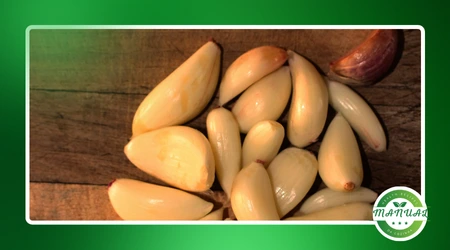
Drinking water with lemon or chewing parsley can help. But is it worth avoiding such a beneficial ingredient for a passing fancy?
Another strategy is to consume it in less aggressive forms, such as pickled or roasted. Confit garlic, for example, has a sweeter flavor and less impact on the breath.
And if the problem is social, garlic oil capsules can be an alternative, although they don't deliver the same flavor.
O Garlic in Food and Sustainability
Small farmers are investing in organic farming. Garlic is hardy and requires less water than other seasonings.
Furthermore, its peel can be reused in broths and even as natural fertilizer. Nothing is lost, everything is transformed.
And the best part? It can be grown at home in small pots. How about starting your own garlic garden today?
Garlic in Food: An Ally in Healthy Cooking
O garlic in food goes far beyond basic seasoning. When used strategically, it becomes a powerful ally in functional cooking.
How about trying a yogurt sauce with grated raw garlic to accompany roasted vegetables?
This combination not only enhances the flavor, but also increases the absorption of fat-soluble nutrients present in vegetables.
Another valuable tip is to use garlic as a base for marinades. Its antimicrobial properties help preserve meat while softening the fibers.
A blend of crushed garlic, lemon and fresh herbs creates a foolproof marinade for grilled chicken – intense flavor with added benefits.
Garlic in Food: Exploring New Possibilities
Have you ever thought about using garlic as a main ingredient? Roasted whole garlic turns into a creamy delicacy that can be spread on bread or incorporated into purees.
When slow roasted, its natural sugars caramelize, creating a complex flavor profile that ranges from earthy to slightly sweet.
For the more daring, garlic can even surprise in drinks. A caramelized garlic syrup adds depth to cocktails like the Bloody Mary or even gin-based drinks.
This creative approach shows how the garlic in food can transcend traditional culinary boundaries.
Conclusion
O garlic in food It's not just flavor. It's history, science and well-being. How about using it more creatively today?
Try new ways of preparing it, explore its varieties and, above all, enjoy every benefit it offers.
After all, few ingredients can combine tradition, flavor and health in such a harmonious way.
Frequently Asked Questions
1. Does garlic lose its benefits if overcooked?
Yes, high temperatures for long periods reduce allicin. Prefer to add it at the end of cooking.
2. How to avoid bad breath after eating garlic?
Chewing parsley, lemon or apple helps neutralize sulfur compounds.
3. What is the difference between common garlic and black garlic?
Black garlic is fermented, has a sweeter flavor and a higher concentration of antioxidants.
4. Can I plant garlic at home?
Yes! All you need is a pot with good drainage and direct sunlight. In a few weeks, you will have your own bulbs.