
How to make traditional peanut brittle
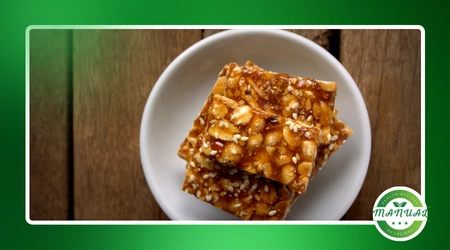
O traditional peanut brittle It's more than just a sweet; it's an emotional heritage of Brazilian cuisine.
Adverts
With roots in the colonial period, this peanut and brown sugar delicacy has crossed generations without losing its essence.
But do you know why it still conquers palates in 2025?
In a market dominated by industrialized desserts, the traditional peanut brittle endures as a symbol of cultural resistance and authentic flavor.
Whether at June festivals, street markets or in the kitchens of renowned chefs, their presence is guaranteed.
Adverts
And the best part: anyone can reproduce it at home, as long as they respect the little secrets that make all the difference.
The Story Behind the Flavor (traditional peanut brittle)
Born in the kitchens of the sugar mill, the traditional peanut brittle it was a creative solution to take advantage of the surplus sugar cane.
According to historian Câmara Cascudo, sweets made with rapadura were already common in the 18th century, especially in the Northeast.
The mixture of roasted peanuts and cane molasses not only provided nourishment, but also became a delicacy enjoyed even by the aristocracy.
Over time, the recipe spread throughout Brazil, gaining small regional variations.
In the interior of Minas Gerais, for example, it is common to add a pinch of cinnamon for an aromatic touch.
++Garlic in Food: The Seasoning that Transforms Flavor and Health
In the South, some artisanal producers replace part of the rapadura with brown sugar, resulting in a less dense sweet.
Ingredients that Tell a Story
The secret of traditional peanut brittle it's in its simplicity: roasted peanuts, melted brown sugar and a touch of butter.
Nothing more.
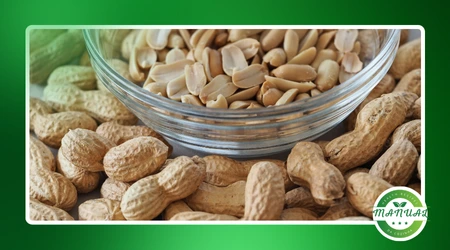
But each component has its role. Peanuts, for example, must be fresh and roasted at the time to avoid rancidity.
The rapadura, in turn, needs to be of good quality – preferably artisanal – to guarantee the characteristic caramelized flavor.
A study by Embrapa (2024) showed that 78% of consumers prefer sweets made with national peanuts, which are tastier and crunchier.
++Creamy Kisses: Traditional Recipe and Decoration Tips
Butter, although optional, helps to give shine and a silky texture to the sweet.
Some purists argue that the real traditional peanut brittle It doesn't take anything other than peanuts and brown sugar.
Others, however, allow for small adaptations, such as a pinch of salt to balance the sweetness.
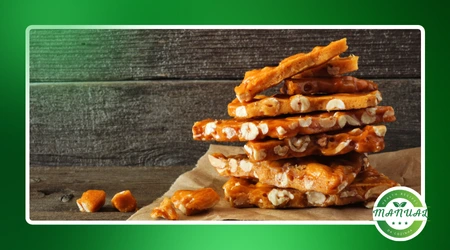
The Process: Tradition and Technique of the traditional peanut brittle
Melt the rapadura over low heat until it forms a golden syrup.
Add the peanuts and stir until smooth.
Pour onto a greased surface and cut while still hot.
It seems simple, but the syrup point is a science.
One more second on the fire, and the candy becomes hard as a rock.
One second less, and it falls apart before it even gets cut.
The ideal temperature is around 120°C – when the syrup reaches the so-called “hard ball point”.
++Alcoholic Popsicle: The Carnival Sensation That Will Boost Your Sales
To test, simply drop a drop into a glass of cold water: if a rigid bubble forms, it is ready.
Another trick is to grease the wooden spoon with butter before stirring, preventing the brown sugar from sticking excessively.
From the Northeast to the World
O traditional peanut brittle has already crossed borders.
In Portugal, adaptations use brown sugar and even walnuts instead of peanuts.
In Japan, gourmet versions include sesame seeds and are sold in fine sweet shops.
In the US, Brazilian chefs are reinventing it in elaborate desserts, such as crumbles and cake fillings.
But the original recipe remains unbeatable.
Like an aged wine, its value lies in its authenticity.
Why Has This Recipe Survived?
In a world of industrialized desserts, the traditional peanut brittle persists for its timeless flavor.
He doesn't need fads.
Its minimalist formula proves that less can be more.
Furthermore, it is a democratic sweet: made with accessible ingredients and without the need for sophisticated equipment.
It's like good music: some hits pass, but the classics stay.
A Sweet That Unites Generations
Grandparents teach grandchildren how to prepare it.
Street markets still sell it in tablets.
Contemporary restaurants reinvent it in elaborate desserts.
But the magic is in the original.
Tips for a perfect traditional peanut brittle
Want to guarantee a flawless result?
Follow these tips:
- Fresh peanuts: avoid those that have been stored for a long time, as they may be rancid.
- controlled fire: melt the brown sugar over medium-low heat so it doesn’t burn.
- Quick cut: as soon as you pour the mixture, level it and cut it before it cools completely.
The Science Behind Unparalleled Flavor
O traditional peanut brittle It didn't earn its place in Brazilian culture by chance. There's a real science behind its crunchy texture and striking flavor.
When rapadura is heated, the sugars undergo a complex caramelization process, where the molecules break down and reorganize, creating new aromatic compounds.
This chemical phenomenon, known as the Maillard reaction, is the same one that occurs when we bake bread or roast coffee, explaining why the smell of fresh peanut brittle is so irresistible.
The exact temperature also directly influences the final texture – below 110°C, the sweet becomes sticky; above 130°C, it becomes excessively hard.
Peanuts, in turn, contain natural oils that are released during the roasting process, creating a perfect synergy with the caramel of the rapadura.
This combination of chemical and physical factors results in a sweet treat that is much more than the simple sum of its ingredients.
The Preparation Ritual: A Sensory Experience
To do traditional peanut brittle It goes beyond following a recipe – it’s an experience that involves all the senses.
The sound of peanuts popping in the pan, the sweet, earthy aroma of the melting brown sugar, the look of the syrup changing color from light gold to deep amber, and the feel of the mixture testing the exact consistency.
Many traditional cooks say that you need to “listen” to the sweet to know when it is ready.
The magical moment happens when the syrup reaches the perfect point, forming threads that resemble spider webs when we lift the spoon.
This ancestral technique, passed down from generation to generation, cannot be fully reproduced by machines or industrial processes.
You may also enjoy reading: Sweet generations: desserts reveal age.
It is precisely this artisanal quality that makes each piece unique, carrying not only flavors, but memories and stories.
When well made, traditional peanut brittle has the ability to transport those who taste it directly to our grandmothers' kitchens, where time seemed to pass more slowly and the flavors were more intense.
Conclusion: More than a Sweet, a Legacy
O traditional peanut brittle is a link between past and present.
Your recipe carries history, affection and identity.
And you, have you tried making your own?
Frequently Asked Questions
1. Can I replace the rapadura with brown sugar?
Yes, but the flavor and texture will be different. The rapadura gives a more robust and caramelized touch.
2. How to store peanut brittle?
In an airtight jar, in a cool place. Lasts up to 15 days.
3. Why did my peanut brittle get too hard?
The syrup is probably overcooked. Try reducing the cooking time next time.