
Basque chocolate cake: why it won over pastry chefs.
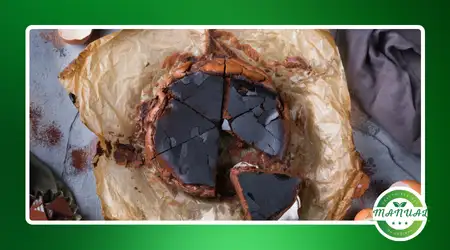
A Basque chocolate cake It has become a collective obsession in contemporary pastry making, subverting that old logic of meticulously structured cakes to dominate the most coveted display cases in the market.
Adverts
This intense version, which originated as a natural evolution of the creamy San Sebastián recipe, has captivated chefs and amateurs alike without needing any tricks.
There's something almost magnetic about how its silky texture and intentionally toasted top create a mature, complex sensory experience, far removed from the sugary excesses that often saturate the modern palate.
This resounding success is not just another passing fad designed to generate likes on social media. In fact, it reflects a profound shift in consumer behavior: people have grown tired of artificial perfection.
Pastry chefs quickly realized they had a dessert that combined simplified execution processes with extremely high added value on the menu.
Adverts
It is the union of visual rusticity with the elegance of pure flavor, redefining what is understood by excellence in contemporary gastronomy.
Mastering this recipe goes far beyond following a step-by-step process; it requires understanding the commercial and technical dynamics that underpin its high profitability in store windows.
Understanding the chemical secrets behind the perfect core and choosing the right ingredients separates the amateur from the strategic professional.
Proceed through the following topics and see how to decode this confectionery gem and implement it profitably in your operation:
Summary
- What is the origin of the chocolate variant?
- Why do pastry chefs prefer Basque cake?
- How does the science of ingredients guarantee creaminess?
- What are the mistakes that ruin the recipe?
- Comparative table of ingredients
- The verdict on texture
- Frequently Asked Questions (FAQ)
What is the origin of the chocolate variant?
The original cheesecake, the one that broke barriers, has a famous address: the La Viña restaurant in the Basque Country.
The decision to incorporate cocoa into this classic structure stemmed from a concern among European chefs, focused on combining the Basque creaminess with the potency of premium chocolate. It was a strategic move to update the palate.
Unlike New York cheesecake, which requires that classic biscuit base and a slow, bureaucratic baking process in a water bath, the Basque chocolate cake It dispenses with any structural constraints.
It celebrates a kind of controlled error through its charred edges and almost liquid center. This break from protocol has attracted professionals who value the authenticity of the ingredients.
Major players in the market began adjusting the percentage of cocoa so that the acidity of the cheese wouldn't clash with the bitterness of the chocolate.
The result is a clean dessert, ideal for concluding sophisticated menus without being heavy. This evolution has consolidated the dessert in gastronomic capitals, making it a must-have item for those who wish to position themselves with authority.
Why do pastry chefs prefer Basque cake?
The key advantage for those operating a professional kitchen lies in the radical optimization of production time.
The preparation of Basque chocolate cake It only requires a bowl and a hand mixer, eliminating lengthy steps such as rolling out or resting dough.
Fewer processes mean a leaner production line and a drastic reduction in daily operating costs.
There is also the aesthetic factor, often misinterpreted as merely visual appeal for digital screens, but which functions as a powerful organic marketing tool.
The dramatic contrast between the almost burnt top and the shiny center immediately awakens the customer's desire. It's a rustic beauty that sells itself, making complex decorations with piping bags unnecessary.
The profit margin explains why this dessert has become the highlight of the most profitable menus in the country. The basic ingredients are affordable, but the perceived value delivered to the end customer is that of a high-end luxury product.
The pastry chef is able to transform simple ingredients into a substantial gastronomic experience, optimizing the business's revenue.
Here is the technical recipe and detailed preparation instructions so that your Basque chocolate cake achieve the perfect level of creaminess and that characteristic toasted appearance.
+ Banana bread cobbler, a hot dessert with streusel.
Ingredients (20cm springform pan)
- Cream cheese (at room temperature): 600g
- Premium chocolate 54% cocoa (melted): 200g
- Fresh cream (minimum 35% of fat): 350ml
- Fresh eggs (at room temperature): 5 units
- Refined sugar or demerara: 150g
- Wheat flour (sifted): 15g
- Vanilla extract (Optional): 1 teaspoon
Method of preparation
- Prepare the environment: Preheat the oven to 220°C (425°F) for at least 20 minutes. Line the baking pan with two sheets of dampened parchment paper, leaving the raised edges hanging over the sides of the pan to create that rustic look.
- Cheese base: In a large bowl, beat the cream cheese and sugar using a hand whisk until smooth and lump-free, without incorporating excessive air into the mixture.
- Egg emulsion: Add the eggs one at a time to the cream cheese mixture, gently mixing after each addition until fully incorporated and the mixture appears smooth.
- Chocolate fusion: Incorporate the melted chocolate (warm, never hot) and vanilla extract into the batter. Mix with gentle movements from the center outwards until the color is uniform.
- Flow adjustment: Add the fresh cream and, lastly, the sifted wheat flour. Mix just enough to remove any traces of flour from the surface of the cream.
- Precise supply: Pour the batter into the prepared pan and bake at 220°C for about 30 to 35 minutes. The top should be very dark and the center still jiggle like jelly.
- Rest and cut: Remove from the oven and let cool completely at room temperature. Refrigerate for at least 6 hours before unmolding and slicing into firm slices.
- Create a technical sheet with recipe costs.
- Optimize baking time for smaller pans.
- Suggest flavor variations using coffee.
How does the science of ingredients guarantee creaminess?
The magic of the velvety texture doesn't happen by chance; it stems from the physical-chemical balance between the fat of the cream cheese and the coagulation of eggs.
The chosen chocolate needs to have a precise percentage of cocoa butter to melt evenly under intense heat. It is this specific fat that creates the perfect internal emulsion.
For those wishing to delve deeper into the technical fundamentals of this fast and aggressive cooking method, it is worth examining the pastry-making materials from the renowned school. Le Cordon Bleu, which detail the thermal behavior of proteins.
The high oven temperature freezes the sides of the dessert, while preserving the fluid texture of the center.
The choice of sugar type directly alters the final moisture content of the crumb and the speed at which the surface caramelizes.
Refined or demerara sugar works by retaining water molecules in the structure, which prevents the dough from drying out. This technical precision ensures a slice that holds its shape at the base but melts in your mouth.
What are the mistakes that ruin the recipe?
The most common mistake — and the most overlooked — is trying to cut costs by using fractionated or hydrogenated coatings.
This type of artificial fat doesn't melt at the correct mouth temperature, leaving a greasy residue on the tongue and ruining the flavor. Commercial success absolutely depends on real cocoa mass.
Another common stumbling block in the daily routine of kitchens is missing the point of removal due to sheer visual insecurity.
A Basque chocolate cake It needs to come out of the oven wobbly in the center, looking like it's still undercooked.
If you wait for it to become completely firm in the heat, you'll end up with a heavy cake that lacks its characteristic fluidity.
Baking the dessert at low temperatures defeats the original purpose, as it cooks the inside before caramelizing the top.
The furnace needs to operate at a high initial heat, around 220°C, to create the necessary thermal shock.
Timing must be meticulous to ensure the perfect toasted appearance without overcooking.
+ Chocolate croissant filled cookie that went viral
Comparative table of ingredients
| Main Ingredient | Technical Function in the Mass | Impact on the Final Result |
| Cream Cheese | Structural base and acidity | It guarantees creaminess and balanced flavor. |
| Chocolate 54% | Central flavor and fat | It provides the right bitterness and velvety texture. |
| Fresh Eggs | Emulsion and thermal bonding | They stabilize the moist center without leaving the mass aerated. |
| Fresh Cream | Fluidity and lipid content | It softens the density of the cheese and adds lightness. |
The verdict on texture
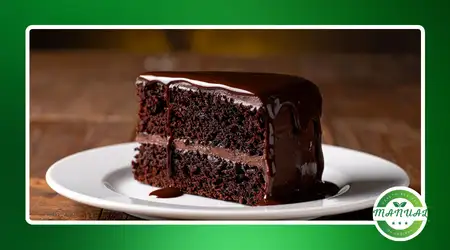
The guaranteed presence of this recipe on menus shows that intelligent simplicity and quality ingredients surpass any elaborate decorating technique.
The market embraced an efficient product with fast turnover and high acceptance. Basque chocolate cake It found the perfect balance between respecting its European origins and commercial innovation.
Including this dessert in the portfolio demonstrates technical maturity, attracting a refined audience that seeks authentic gastronomic experiences.
Those wishing to refine test parameters and understand the behavior of highly hydrated masses can turn to practical studies of King Arthur Baking, a benchmark in technical precision.
It's the kind of investment in knowledge that pays for itself with the first few orders of the week.
+ Creamy pistachio pudding: the dessert that became a trend.
Frequently Asked Questions (FAQ)
Can I use cocoa powder instead of chocolate bars?
Using only cocoa powder alters the amount of fat in the recipe, resulting in a much drier dough.
To maintain the original creaminess, always choose melted chocolate bars with a good percentage of cocoa butter.
How long should the pie rest before being served?
It should rest in the refrigerator for at least six hours, or ideally overnight.
This time is crucial for the structure to stabilize and the flavors to develop properly before slicing.
Is it necessary to use a mixer to prepare the dough?
There's no need to use a mixer; it's preferable to gently mix everything with a hand whisk.
Overmixing incorporates too much air into the batter, which can cause the pie to rise too much and crack in the oven.
How should the pie be stored and what is its shelf life?
Always keep the dessert refrigerated in a tightly sealed container for up to five days.
It is not recommended to freeze this dessert, as the thawing process alters the creamy texture of the center.