
One-pot miso mushroom pasta for a quick and umami-rich dinner.
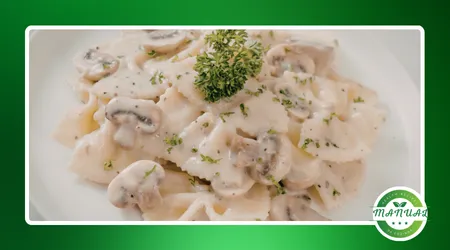
A one-pot miso mushroom pasta It's the ultimate solution for those seeking a sophisticated meal, rich in complex flavors, but requiring minimal effort and dirty dishes.
Adverts
The concept of practicality in the modern kitchen has evolved beyond the basics, combining ancient ingredients like Japanese miso with the classic Italian one-pot cooking technique.
In this comprehensive guide, we'll explore how this combination of fresh mushrooms and fermentation results in a balanced, nutritious, and extremely quick dinner for your busy daily life in 2026.
Summary
- Why is umami the secret to success?
- Ingredients: What you will need
- Nutritional Table of the Dish
- Preparation Method: Detailed Step-by-Step Instructions
- Chef's Tips for the Perfect Texture
- FAQ: Frequently Asked Questions
Why is the combination of miso and mushrooms so powerful?
The secret to success of one-pot miso mushroom pasta It resides in the science of taste, specifically in the "fifth taste" known as umami, which provides deep and lasting satisfaction.
Mushrooms such as button, shiitake, or shimeji have high concentrations of natural glutamate, which is significantly enhanced when it comes into contact with fermented soybean paste, miso.
Adverts
By cooking the pasta directly in the sauce, the released starch creates a velvety emulsion, eliminating the need for heavy creams and keeping the recipe's nutritional profile lighter.
This unique pan technique not only preserves the nutrients in the vegetables, but also ensures that each strand of pasta absorbs the rich broth, resulting in an explosion of flavor.
Necessary Ingredients
- Pasta: 350g of linguine or durum wheat spaghetti (it holds its texture better).
- Mushrooms: 400g of fresh mixed mushrooms (Paris, Shiitake and Shimeji) sliced into medium slices.
- Miso paste: 2 tablespoons of white miso (Shiro Miso).
- Fat: 1 tablespoon of unsalted butter and a drizzle of olive oil.
- Aromatics: 3 cloves of minced garlic and ½ finely chopped red onion.
- Cooking Liquid: 900ml of hot vegetable broth (keep some extra on the side).
- Finalization: Chopped fresh chives, lemon zest, and freshly ground black pepper.
Step by Step Preparation Method
- Caramelization: Heat a wide, deep pan with the olive oil. Add the mushrooms and sauté them over high heat, without stirring too much, until they are caramelized and release their earthy aroma.
- Aromatic Base: Reduce the heat to medium and add the onion and garlic. Sauté for 2 minutes until the onion is translucent, being careful not to burn the garlic and make the base bitter.
- Cooking the Pasta: Add the dry pasta directly on top of the mushrooms. Pour in the hot vegetable broth until it covers the pasta. Cook for the time indicated on the package (usually 9 to 11 minutes).
- Starch Emulsion: During cooking, stir the pasta occasionally. This is vital to release the starch, which will mix with the broth creating the characteristic creaminess of the pasta. one-pot miso mushroom pasta.
- Incorporate Miso: When the pasta is al dente If there is little liquid remaining, dissolve the miso in two tablespoons of hot water and pour it into the pan. Turn off the heat immediately after mixing.
- Finishing and Shine: Add the chilled butter and stir vigorously to emulsify the sauce. Finish with the lemon zest, chives, and pepper. Serve immediately while the texture is silky.
What ingredients should you choose for your recipe?
To ensure that your one-pot miso mushroom pasta To achieve restaurant standards, selecting fresh ingredients is the first step towards absolute and healthy gastronomic success.
Use 350g of durum wheat spaghetti, 400g of assorted mushrooms, 2 tablespoons of white miso, 3 cloves of garlic, unsalted butter, chives, and 900ml of vegetable broth.
White miso (Shiro Miso) is the most suitable because it has a milder and slightly sweet profile, which harmonizes perfectly with the delicacy of the mushrooms without overpowering the other seasonings.
Avoid commercially produced broths with excess sodium; opt for homemade broths or organic versions to maintain high nutritional content and a much cleaner, more natural final flavor.
+ How to prepare vegetarian shepherd's pie with vegetables.
Nutritional Composition Table (per serving)
| Component | Average Quantity | Main Benefit |
| Calories | 390 kcal | Gradual Energy |
| Proteins | 14g | Muscle Maintenance |
| Fibers | 5.2g | Gut Health |
| Magnesium | 45mg | Muscle Relaxation |
| Vitamin B12 | 10% IDR | Nervous System |
How to prepare one-pot miso mushroom pasta step by step?
Start by heating a wide, deep pan with a drizzle of olive oil and sauté the sliced mushrooms over high heat until they are well caramelized and aromatic.
Add the chopped garlic and the white part of the scallions, sautéing for just one minute to avoid bitterness, ensuring that the base of the one-pot miso mushroom pasta Be powerful.
Place the dry noodles directly into the pot and pour in the hot vegetable broth, stirring gently to settle the noodles and ensure even cooking.
Keep the heat on medium and stir occasionally, as the movement helps release the starch that will transform the water and spices into a naturally creamy and very glossy sauce.
When the dough is almost ready al denteDissolve the miso in a little hot broth and incorporate it into the mixture, finishing with a spoonful of butter and green onions.
+ Vegetarian Christmas recipe: Walnut and Lentil Bake
What are some healthy variations for this quick dinner?
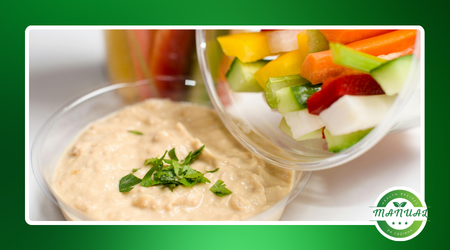
If you're looking for a gluten-free version, you can use rice or chickpea noodles, which maintain a firm structure and absorb the creaminess of the miso sauce very well.
A one-pot miso mushroom pasta It perfectly accepts the addition of leafy greens such as spinach or baby kale, which should only be added in the last thirty seconds of cooking to wilt.
To increase the protein content from plant-based sources, adding cubes of smoked tofu or cooked edamame creates an interesting texture and raises the biological value of the meal in a balanced way.
Replacing butter with tahini (sesame paste) is an excellent alternative for vegans, offering a similar density and an almond-like touch that pairs perfectly with fermented soy.
Always remember to adjust the amount of liquid if using whole wheat pasta, as it tends to absorb more water and requires a slightly longer cooking time than traditional pasta.
How important is the order of ingredients when cooking?
Respecting the order in which ingredients are added to the pan ensures that textures are not lost, preventing mushrooms from becoming rubbery or pasta from overcooking.
Miso should never be boiled for extended periods over high heat, as excessive heat degrades the probiotic properties and alters the subtle flavor profile of the fermented soybeans.
Upon completion of one-pot miso mushroom pasta With the butter cooled off the high heat, you promote a stable emulsion, resulting in that mirror-like and appetizing appearance of the best Italian dishes.
Using lemon zest when serving is a chef's trick that cuts through the fat and salt, bringing a note of freshness that elevates the overall sensory experience.
Mastering this logical sequence transforms a simple one-pot preparation into a technical demonstration of how heat interacts with different densities of plant-based and fermented foods.
+ Spaghetti with lentils and rustic tomato sauce for a cozy dinner.
Conclusion: Practicality and flavor in perfect harmony.
The choice of one-pot miso mushroom pasta It reflects a lifestyle that values fine dining without sacrificing the rest needed after a long day of work or study.
The combination of the age-old tradition of miso and the contemporary practicality of one-pot recipes proves that it's possible to eat well with few resources and a lot of culinary skill.
By following these guidelines, you not only prepare a dinner, but also promote a moment of self-care through a meal rich in nutrients, umami flavor, and absolute ease of use at home.
To check Brazilian food safety standards regarding fermented products and labeling, you can access the official website of [website name/organization name]. Anvisa, ensuring safe choices.
FAQ: Frequently Asked Questions
Can I substitute vegetable broth with water?
Yes, you can, but vegetable broth adds extra layers of flavor that plain water can't deliver. If you use water, be sure to use more fresh herbs and garlic.
What is the best type of mushroom for this pasta?
While button mushrooms are the most readily available, shiitake mushrooms offer a deeper, earthier flavor that pairs exceptionally well with miso in this particular one-pot recipe.
How can I prevent pasta from sticking to the bottom of the pan?
The secret is to stir every two or three minutes and ensure there is enough liquid. The movement helps distribute the starch and prevents the dough from sticking.
Is it possible to freeze one-pot miso mushroom pasta?
We do not recommend freezing, as the texture of the pasta and miso sauce changes drastically. This dish is meant to be consumed fresh and immediately after preparation.
Can I use dark miso (Aka Miso)?
Yes, but be aware that it is much stronger and saltier. Reduce the amount by half so as not to overwhelm your palate and mask the delicate flavor of the chosen mushrooms.