
How does kale contribute to body detoxification?
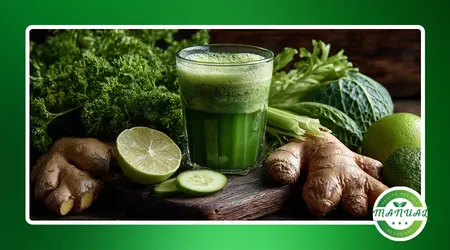
Certainly the Kale contributes to the detoxification of the body., acting as a fundamental pillar in modern nutrition focused on metabolic optimization and daily cellular regeneration.
Adverts
This cruciferous vegetable transcends its "superfood" fame to establish itself as an essential biological tool. Its richness in phytochemicals allows the body to process toxins with superior efficiency.
Below, we present a complete guide on how this food impacts your longevity. Understand the scientific mechanisms behind detoxification and learn how to apply this knowledge to your routine.
Table of Contents
- How does kale chemically affect the liver?
- Which nutrients enhance organic cleansing?
- What's the best way to consume food for detox?
- Nutritional Table: Vitamins and Bioactive Compounds.
- Frequently Asked Questions (FAQ).
How does kale contribute to the body's detoxification process, specifically in the liver?
The liver operates through two main detoxification phases. Kale provides the glucosinolates needed to balance these chemical processes, preventing intermediate substances from causing severe cellular damage.
Unlike restrictive diets, the consistent consumption of cruciferous vegetables offers real enzymatic support. They induce the production of glutathione, the most powerful antioxidant in the human body, essential for neutralizing free radicals.
Adverts
By consuming this vegetable, you provide sulfur substrates. These elements are crucial for sulfation, a metabolic pathway that makes toxins water-soluble for subsequent renal excretion.
Updated research from 2026 reinforces that sulforaphane, present in kale, modulates protective genes. This epigenetic interaction strengthens the intestinal barrier, preventing impurities from improperly returning to the bloodstream.
What are the main detoxifying compounds in kale?
Chlorophyll is the pigment responsible for the vibrant color and the ability to chelate heavy metals. It binds to substances like lead and mercury, facilitating their safe removal from the digestive system.
Furthermore, the insoluble fiber present in the leaves acts as a biological broom. It accelerates intestinal transit, reducing the contact time between metabolic waste and the colon mucosa.
Vitamin C and manganese act as cofactors in complex enzymatic reactions. Without these micronutrients, the body's natural cleansing pathways would become overwhelmed, resulting in fatigue and systemic inflammation.
What is the importance of organic sulfur in kale?
Sulfur is an element often overlooked in conventional nutrition, but it is vital for protein synthesis. In kale, it appears in compounds that fight pathogenic microorganisms in the digestive tract.
The presence of isothiocyanates helps to inhibit the growth of abnormal cells. These compounds stimulate autophagy, a process where cells recycle their own damaged components to generate clean energy.
Maintaining adequate levels of these nutrients ensures that the lymphatic system flows without obstruction. This directly reflects on skin health, reducing edema and improving mental clarity through inflammation reduction.
+ The nutrients in kiwifruit and its antioxidant properties.
When and how should you consume kale to maximize results?
To preserve myrosinase, the enzyme that releases sulforaphane, consumption is ideal when raw or lightly steamed. Avoiding overcooking prevents the degradation of the most important heat-labile components.
Morning green juice remains an effective strategy for rapid absorption. Combining leafy greens with citrus fruits increases the bioavailability of non-heme iron, optimizing oxygen transport in cells.
Incorporating finely chopped kale into salads also promotes the release of nutrients. The mechanical breakdown of the plant fibers activates chemical reactions that make the food medicinal for the pancreas.
What are the additional benefits for the digestive system?
A balanced gut microbiota is the secret to efficient detoxification. Kale acts as a prebiotic, feeding beneficial bacteria that produce short-chain fatty acids, essential for immunity.
These acids protect the integrity of the tight junctions in the intestine. When this barrier is strong, the body avoids the so-called "leaky gut syndrome," which constantly overloads the immune system.
Reducing the toxic intestinal load relieves pressure on the kidneys. With less waste to filter, the fluid and electrolyte balance becomes more stable, preventing fluid retention and hypertension.
+ Whole wheat savory vegetable muffin with olive oil: a healthy snack to take in your lunchbox.
Nutritional Analysis of Kale (Values per 100g)
| Component | Approximate Quantity | Main Function |
| Vitamin K | 443% IDR | Blood clotting and bone health |
| Vitamin A | 199% IDR | Protection of the mucous membranes and vision. |
| Vitamin C | 120% IDR | Antioxidant and collagen synthesis |
| Calcium | 150 mg | Muscle contraction and teeth |
| Fibers | 3.6 g | Regulation of intestinal transit |
| Magnesium | 47 mg | Muscle and enzyme relaxation |
Who should be cautious about consuming excessive amounts of kale?
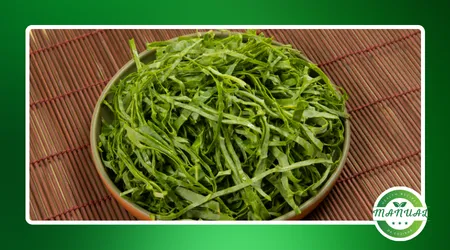
Although the Cabbage contributes to the detoxification of the body.Individuals with hypothyroidism should moderate their consumption of the raw leaf. This is due to goitrogens, which can interfere with iodine absorption.
People using anticoagulant medications need to monitor their vitamin K intake. Balance is key; nutritional monitoring ensures that the benefits outweigh any risk of drug interactions.
For the general population, alternating between different types of leafy greens is recommended. This diversity ensures a more complete amino acid and mineral profile, preventing dietary and metabolic monotony.
How does organic farming influence detoxifying power?
Soil quality directly impacts the plant's nutritional density. Vegetables grown with pesticides end up adding more toxins to the body, partially negating the beneficial effect of the desired natural detoxification.
Choosing local and seasonal producers ensures that the leaves are fresh and rich in enzymes. The shorter shelf life preserves the integrity of vitamins that are sensitive to light and excessive heat.
Properly washing the leaves in a chlorinated solution eliminates parasites and surface debris. This preventative care is the first step in ensuring your nutritional strategy is safe, responsible, and truly effective.
What is the impact of kale on cardiovascular health?
Reducing oxidized cholesterol is one of the side effects of detoxification promoted by cabbage. The bile acid sequestrants present in the vegetable help eliminate unwanted fats through feces.
Cleaner blood vessels promote efficient circulation, essential for delivering nutrients to peripheral tissues. The health of the arteries depends directly on this ability to neutralize metabolic waste before it accumulates.
The potassium found in kale helps control blood pressure. By balancing intracellular sodium, the vegetable prevents oxidative stress in the vascular walls, ensuring longevity of the circulatory system.
+ The positive effects of coconut water on hydration.
Conclusion
Incorporating kale into your daily diet is a smart decision for those seeking vitality. Science confirms that... Kale contributes to the detoxification of the body. in a holistic and sustainable way.
Whether through juices, salads, or quick stir-fries, consistency is key. Small changes in eating habits have a profound impact on disease prevention and maintaining physical energy.
By understanding biological mechanisms, you take control of your health. Prioritize real foods, respect your body's signals, and use nutrition as your primary preventative medicine.
To deepen your knowledge of bioactive compounds, explore the National Institutes of Health (NIH) databasewhich details the properties of cruciferous vegetables for human health.
Frequently Asked Questions (FAQ)
1. Does drinking kale juice on an empty stomach really work?
Yes, consuming food on an empty stomach accelerates the absorption of micronutrients and enzymes. This prepares the digestive system for the day, promoting a gentle alkalization of the blood in the first few hours.
2. Can I freeze kale without losing its benefits?
Freezing preserves most vitamins, but inactivates myrosinase. To achieve the full detox effect, add a little mustard seed powder to thawed kale to reactivate the compounds.
3. How much kale should I eat per day?
One to two cups of chopped kale is a safe amount for most people. This quantity provides therapeutic doses of antioxidants without overloading the system with fiber or goitrogenic substances.
4. Does cabbage help with weight loss?
Indirectly, yes, because it has very low caloric density and high satiety. Furthermore, a detoxified body has a more agile metabolism, facilitating fat burning and weight control.
5. Can children eat kale every day?
Yes, kale is excellent for children's bone and cognitive development. Ideally, it should be introduced creatively, such as in muffins or mixed juices with sweet fruits, to ensure acceptance.