
How fiber consumption helps with nutrition
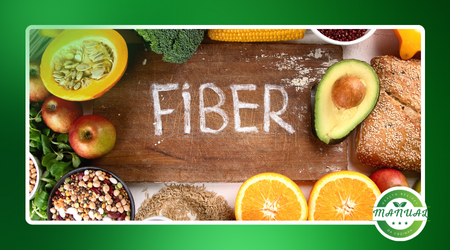
O fiber consumption helps with nutrition so profoundly that it can be considered a forgotten pillar of modern nutrition.
Adverts
While proteins and carbohydrates dominate the discussions, fiber works silently, regulating the body and preventing diseases. But why, even with so much information, do we still underestimate its power?
In recent years, research has reinforced that diets rich in fiber are linked to longevity and reduced chronic inflammation.
A study of the World Health Organization (WHO) reveals that only 15% of the global population ingests the recommended daily amount.
This deficit partly explains the increase in digestive problems, obesity and even cardiovascular diseases.
Adverts
The lack of fiber in the modern diet is no accident. The food industry prioritizes refined products, which last longer on the shelves but lose essential nutrients in the process.
The result? A scenario in which even those who seek to eat “healthily” may be consuming less fiber than they imagine.
And it’s not just about preventing constipation. Fiber influences everything from blood sugar control to mental health, thanks to its connection with the gut microbiome.
Yes, your gut talks directly to your brain—and fiber is a crucial part of that dialogue.
The Invisible Mechanism of Fibers: How They Work in the Body
Think of your gut as a busy highway. Without fiber, the flow becomes chaotic—waste builds up, digestion slows down, and toxins remain in the body.
Now add fibers: they act as inspectors, organizing the flow and ensuring everything gets to its destination on time.
There are two main types:
- Soluble (oats, apples, beans): They dissolve in water, forming a gel that reduces the absorption of sugar and cholesterol.
- Insolubles (whole grains, carrots): Increase fecal mass, accelerating intestinal transit.
The combination of both types is essential for balanced intestinal function.
But how exactly does this happen? Soluble fibers, by forming a gel in the stomach, slow down digestion.
This not only prolongs satiety but also prevents glycemic spikes—something essential for those looking to control their weight or diabetes.
++Unique dish ideas for those who don't want to dirty a lot of dishes
Insoluble fibers act like a broom, sweeping away waste and preventing constipation. Without them, the intestine becomes sluggish, increasing the risk of inflammation and even colorectal cancer.
From Fast-Food to High-Fiber
Joana, 34, suffered from constipation and constant fatigue. Her menu? Processed foods and zero fiber.
After including flaxseed in her breakfast and swapping white bread for whole wheat bread, within three weeks, her bowel movements were regulated and her energy levels soared.
But her case is not isolated. Pedro, 45, had high cholesterol levels. By increasing his intake of oats and legumes, in two months his LDL cholesterol dropped by 20%—without medication.
++The benefits of eggs in your daily diet
These examples show how the fiber consumption helps with nutrition to rescue the lost balance.
And it's not just adults who benefit. Children with high-fiber diets have fewer constipation problems and better cognitive development, according to a study published in Journal of Pediatrics.
Beyond the Gut: Surprising Benefits of Fiber
Glycemic Control
Fiber slows down the digestion of carbohydrates, preventing insulin spikes. For diabetics, this is crucial. A report by Brazilian Diabetes Society confirms that diets rich in fiber reduce the need for medication by 30%.
++How to Make Potato Peel Chips and What Are the Benefits
Additionally, they improve insulin sensitivity, which means the body uses glucose more efficiently. This is especially important in a world where type 2 diabetes is advancing rapidly.
Satiety and Weight Loss
Fibrous foods require more chewing and take up space in the stomach, thus satisfying hunger. Want proof? Compare eating 100 calories of cookies (without fiber) with 100 calories of cooked pumpkin.
But there's more: fibers reduce fat absorption and modulate hormones such as ghrelin, which is responsible for the feeling of hunger. In other words, they are natural allies for those who want to lose weight in a healthy way.
Strengthened Microbiome
Fiber feeds good bacteria in your gut, which produce short-chain fatty acids—anti-inflammatory fuel for your cells.
A balanced microbiome is linked to better immunity, a lower risk of depression, and even the prevention of autoimmune diseases. And it all starts with a high-fiber diet.
Shocking Statistics
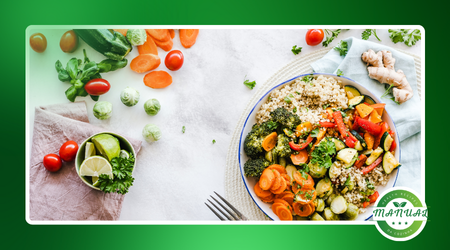
According to Harvard University, increase by 10g daily fiber consumption helps with nutrition to reduce the risk of premature death by 14%. Even so, the average Brazilian consumes only half of the ideal (25g/day).
Explore more: Importance of fiber in the diet
Another alarming fact: World Federation of Gastroenterology warns that 70% of people with chronic constipation would improve just by adjusting their fiber intake.
Table: Fiber Content in Common Foods
| Food (per 100g) | Fibers (g) |
|---|---|
| Cooked black beans | 8,4 |
| Avocado | 6,7 |
| Broccoli | 2,6 |
| Brown rice | 1,8 |
(Source: TACO – Brazilian Food Composition Table)
Demystifying the Obstacles: How to Eat More Fiber Without Discomfort
Many people avoid fiber for fear of gas or discomfort. The solution? Introduce it gradually and stay hydrated. Water is a must—without it, fiber hardens and worsens constipation.
Another tip is to vary your sources. If beans cause gas, try lentils or chickpeas. If oatmeal seems too sickening, mix it with fruit or yogurt.
And don't forget: cooking vegetables can make them more digestible without completely losing their fiber.
Where Modernity Fails: Industry vs. Your Health
The industry prioritizes refined foods that are low in fiber. Breads, pastas and snacks are stripped of their nutritional value to extend their shelf life. The result? A generation with lazy intestines and low immunity.
And worse: many products sold as “whole grain” or “rich in fiber” contain insignificant amounts. The solution? Read labels and choose natural foods.
Fiber intake helps with nutrition: Japan vs. USA
Japan, where fiber is abundant in seaweed and soy, has minimal rates of colon cancer. The United States, which is a champion in processed foods, leads the rankings for obesity and intestinal diseases. Coincidence?
No. The traditional Japanese diet includes about 30g of fiber daily—twice the Western average.
How to Adjust Your Diet Effortlessly
- Replace juice with fresh fruit (the pulp contains fiber).
- Add seeds (chia, sunflower) to yogurts and salads.
- Try whole grain flours in recipes.
Small changes generate big impacts.
Conclusion: An Invitation to the Fibrous Revolution
O fiber consumption helps with nutrition not only to prevent diseases, but to improve the quality of life. In a world of complex solutions, the answer may lie in the simple act of choosing a whole food.
And it's not just about adding fiber to your diet, but about reclaiming a more natural, less processed and more conscious eating style.
Are you ready for this change?
Frequently Asked Questions
1. What is the recommended daily amount of fiber?
The WHO recommends 25g to 30g per day for adults.
2. Can I consume fiber in supplements?
Yes, but ideally you should get them from natural foods, which provide other essential nutrients.
3. Can too much fiber be bad for you?
In excess and without adequate hydration, they can cause swelling and discomfort.
4. What are the signs of a lack of fiber?
Constipation, constant hunger and fatigue are the most common.