
How to make homemade cornmeal pamonha step by step
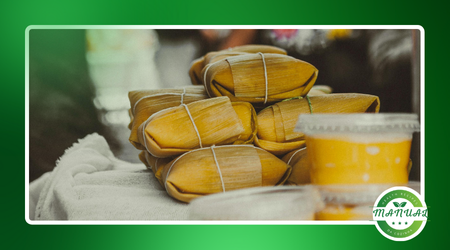
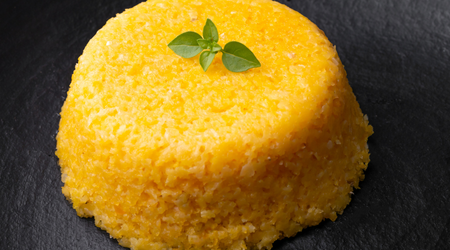
A homemade cornmeal pamonha step by step It is much more than a recipe, it is a cultural legacy that spans generations.
Adverts
According to the IBGE, the consumption of corn and its derivatives grows significantly between May and July, driven by the June festivities.
However, its preparation requires attention to detail, from the choice of corn to the way it is wrapped.
While some families prefer the sweet version, with hints of cinnamon and coconut, others prefer the savory pamonha, enhanced with cheese or meat.
The secret to authenticity lies in respecting traditional processes, but also in adapting to modern techniques that facilitate preparation without losing the essence.
Adverts
This guide will not only teach you the classic method, but will also provide insights into regional variations and solutions to common problems like crumbly dough or straws that open during baking.
The Origin and Culture of Pamonha: A Dish that Unites Nations
Pamonha has deep roots in indigenous cuisine, where corn was a staple food long before colonization.
With the arrival of the Portuguese, new ingredients such as sugar and milk were incorporated, while African leaf cooking techniques influenced its characteristic wrapping.
This mixture of knowledge created a unique dish, celebrated at festivals and family gatherings.
In Goiás, for example, savory pamonha with calabresa sausage is almost an institution, while in the Northeast, the addition of coconut milk to the sweet dough reflects local influence.
These regional differences show how the same dish can acquire distinct identities, adapting to the palates and available ingredients.
Read more: Gluten-free stuffed pasta recipe
Essential Ingredients for the Perfect Pamonha
Fresh corn is the heart of this recipe. Very young corn can result in a watery batter, while older corn can make it fibrous.
The ideal is to choose ears with a husk that is still bright green and has dark silks—signs that the corn is ready to be cooked.
In addition to corn, the quality of the toppings makes a difference. Whole milk ensures creaminess, while unsalted butter allows you to adjust the seasoning without interference.
For those looking for a special touch, powdered fennel or Sicilian lemon zest can enhance the flavor, both in the sweet and savory versions.
+ How to prepare a lentil burger for everyday use
Detailed Process: Homemade Pamonha Step by Step
Corn selection and preparation
Carefully husk the cobs, keeping the husks intact for wrapping. Use a sharp knife to cut the grains close to the cob, avoiding waste.
Some cooks recommend reserving part of the corn milk itself—the liquid that runs off when you cut it—to add to the dough, ensuring a more intense flavor.
Crushing and sieving
Blend the grains in small batches in the blender, alternating with fresh milk to avoid overloading the motor.
Sift the mixture twice: the first time through a coarse sieve to remove any shell fragments, and the second time through a finer sieve to obtain a silky texture.
If you prefer a more rustic pamonha, skip the second strainer—but be aware that this will affect the final softness.
Seasoning and cooking
Bring the mixture to a boil over medium heat in a heavy-bottomed saucepan, stirring constantly with a wooden spoon. Gradually add the sugar or salt, tasting to adjust.
+ Coconut ice cream cake wrapped in foil: classic recipe
The dough will be ready when it comes away from the bottom of the pan, forming a smooth cream.
Modeling and wrapping
Lightly moisten the straws to make them pliable. Place about two tablespoons of dough on each straw, folding the sides inward before rolling.
Tie with strips of straw or cotton string, without tightening too much to prevent the pamonha from cracking during cooking.
Final cooking
In a large pot, heat water until boiling and add the tamales, one by one. Keep the heat low so that they cook evenly without opening.
The time varies between 40 and 60 minutes, depending on the size. To test, remove one unit and cut the dough; it should not stick to the knife.
Tips for Recipe Success
How to make a delicious panho: step by step
Making homemade cornmeal requires patience, but a few tricks simplify the process.
If the dough is too liquid after cooking, return it to the heat in a non-stick frying pan, stirring until the excess water evaporates.
To prevent the straws from breaking during cooking, soak them in hot water for 10 minutes before using.
Creative Variations: Innovating without Losing Tradition
For those who want to surprise, stuffed pamonha is a great option. In the savory version, try a mix of shredded chicken with cream cheese and parsley.
As for the sweet version, a layer of dulce de leche between two portions of dough creates a delicious contrast.
Another trend is baked pamonha, where the dough is placed in individual molds and baked until golden brown, ideal for those who prefer a crispy crust.
Conclusion: A Dish that Tells Stories
Master the homemade cornmeal pamonha step by step It's like learning an ancient language, each gesture carries meaning.
Whether served hot, with fresh coffee, or cold, as a dessert, it is an invitation to celebrate.
More than technique, this recipe calls for emotional memories: the smell of cut corn, the sound of the pan on the stove, sharing at the table.
How about reviving this tradition next weekend?
Invite family members, divide up tasks and turn the preparation into a collective experience. After all, as the old saying goes, pamonha made with joy tastes like happiness.
(Table below: Corn consumption data in Brazil in 2024, according to CONAB.)
| Region | Corn Consumption (tons/year) | Main Uses |
|---|---|---|
| Southeast | 12.500 | Pamonha, curau, cakes |
| North East | 8.200 | Couscous, sweet cornmeal |
| Midwest | 15.000 | Salty pamonha, soups |
| South | 10.300 | Polenta, baked cornmeal |
| North | 4.800 | Porridge, cornmeal with tucumã |
Frequently Asked Questions
What is the best type of corn for pamonha?
Fresh corn, preferably picked the same day. Avoid overripe or frozen grains.
Can I freeze ready-made pamonha?
Yes, but it is best to freeze them before cooking. Wrap each unit in plastic wrap and store for up to 3 months.
Why did my cornmeal get hard?
Overcooking or overripe corn are the most common causes. Control the time and choose young ears.
How do you know if the dough is ready before wrapping it?
It should come away from the pan completely and form a thick cream, without running easily.
Can I use banana straw instead of corn straw?
Yes, but the final texture will be different. Corn husks are thinner and stickier.