
How to make well-seasoned, full-bodied beans
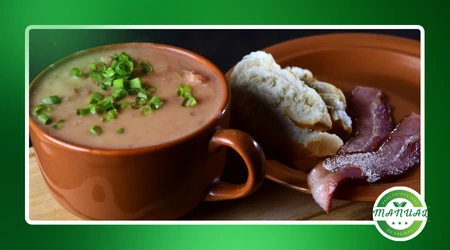
Nothing like a well seasoned beans to transform a simple meal into a memorable feast. This dish, so deeply rooted in Brazilian culture, goes beyond the basics when we master preparation techniques, seasonings and texture.
Adverts
But how can we achieve perfection without falling into the same old routine? The secret is in the details: from the choice of grains to the final touch of fresh seasoning.
Good beans aren’t just cooked—they’re carefully prepared, with attention paid to every step. And the results? A rich broth, tender beans, and a flavor that makes any side dish shine.
Are you preparing your beans in the best possible way?
The Science of Flavor: Why Beans Need Time and Technique
Beans are a democratic ingredient, but they require patience. According to Embrapa, Brazil consumes around 3 million tons of beans per year, a fact that reinforces its importance on the Brazilian table.
Adverts
However, many people still make basic mistakes, such as cooking over high heat or not hydrating the beans properly. These mistakes can result in beans that are tough, tasteless, or have watery broth.
The ideal texture depends on slow cooking, which allows the starches to gradually break down, creating a thick, velvety broth.
Furthermore, the type of pan makes a difference: iron or ceramic pans retain heat for longer, ensuring even cooking.
Another crucial factor is the quality of the water. Water that is too chlorinated can affect the taste, so if possible, use filtered or mineral water.
Bean Selection: Quality Defines the Final Result
Not all beans are created equal. Old or poorly stored beans take longer to cook and never reach their ideal softness.
Choose whole beans, without cracks or blemishes. Pinto and black beans are the most versatile, but try red or white beans for sophisticated variations.
++Light dinner: healthy recipes to end the day well
Black beans, for example, have a more full-bodied flavor and go perfectly with smoked meats. White beans, on the other hand, are more delicate and call for fresh herbs such as thyme and rosemary.
A valuable tip: buy beans from local producers or brands known for their quality. Beans from the market or small bags are usually fresher.
Also pay attention to the harvest: recently harvested beans cook faster and have a better texture.
The Ultimate Step-by-Step Guide to a *Well Seasoned Beans
1. Hydration: The First Secret to Soft Grains
Soak the grains in cold water for 8 hours. This reduces cooking time and eliminates antinutrients, such as phytic acid, which impairs mineral absorption.
If you're in a hurry, use the quick method: boil water, turn off the heat, add the beans and let sit for 1 hour.
2. The Stir-Fry That Makes All the Difference
Start with onion and garlic browned in olive oil or lard. Add bacon, calabrese sausage or lard for a robust flavor.
++Homemade recipes to clean pans and leave them shining
For vegan versions, substitute with dried shiitake or fresh mushrooms, which provide natural umami.
3. Seasonings that Elevate Flavor
In addition to the traditional bay leaf, try:
- Cumin (an earthy and slightly sweet touch);
- Smoked paprika (gives depth and an irresistible aroma);
- Homemade vegetable broth (balances salt and adds nutrients).
4. Slow and Controlled Cooking
Cook over low heat for at least 1h30. If you need more liquid, use hot water so as not to interrupt the process.
Avoid stirring too much – the beans should cook in peace, developing their flavor naturally.
From Classic to Creative: Two Inspiring Examples
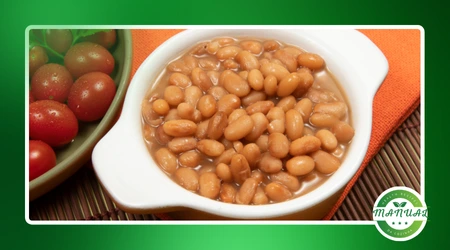
Example 1: Black Beans with Red Wine
Sauté black beans in dry wine before cooking. The alcohol evaporates, leaving a rich, full-bodied flavor, ideal to accompany roast meats.
Example 2: White Beans with Rosemary and Leeks
A Mediterranean version, with sautéed leeks and fresh rosemary. Perfect for lighter days, paired with grilled fish or salads.
Read too: Braised Cabbage Recipe Done Right
Mistakes That Ruin Your Well Seasoned Beans
- Salt at the beginning (hardens the grains and prevents perfect softness);
- Excess water (results in a thin, bodyless broth);
- Industrialized seasonings (artificial flavor that dominates the dish).
Table: Cooking Times by Bean Type
| Type of Bean | Cooking Time (without hydration) |
|---|---|
| From Rio | 1:30 – 2:00 |
| Black | 2h – 2h30 |
| White | 1h – 1h30 |
Source: Adapted from Embrapa (2024).
Extra Tips for Well-Seasoned Beans
1. The Broth Point
Do you prefer a thicker broth? Mash some of the beans at the end of cooking. Want it to be creamier? Blend a portion in a blender and mix.
2. Serving Temperature
Beans should be served hot, but not boiling. Let stand for 5 minutes before serving to allow the flavors to blend.
The Final Touch: Adjusting Seasonings Before Serving
The real secret of a well seasoned beans is in the final adjustment of flavors.
Even if you follow all the steps to the letter, taste the broth in the last 15 minutes of cooking and make any necessary adjustments: a pinch more salt, a drizzle of extra virgin olive oil or a few drops of lemon can take your beans from good to extraordinary.
Remember that seasonings intensify over time, so it's better to err on the side of less and gradually increase the seasoning.
This attention to detail is what separates a home cook from a true master of the stove.
Suggested reading: Embrapa: Data on bean consumption in Brazil
Conclusion: The Bean That Tells Stories
One well seasoned beans not only nourishes the body, but also the emotional memory. Each pot carries tradition, technique and a personal touch.
What will be your next variation? Experiment, tweak, and make every meal a celebration of flavor.
Frequently Asked Questions
1. Can I freeze already seasoned beans?
Yes! Freeze in airtight containers for up to 3 months. Defrost in a water bath or in the microwave, stirring occasionally.
2. How to prevent beans from causing gas?
Prolonged hydration (8-12 hours) and discarding the soaking water reduce the oligosaccharides responsible for gases.
3. What is the best pan for cooking beans?
Iron or ceramic pans retain heat for longer, ensuring even cooking. Pressure cookers speed up the process, but require careful seasoning.
Reference Links
Embrapa: Data on bean consumption in Brazil
Natural Seasoning Guide by Harvard Medical School
Ready to master the art of beans? Experiment, tweak, and make each pot tell a unique story.