
Benefits of cashew nuts and some practical recipes
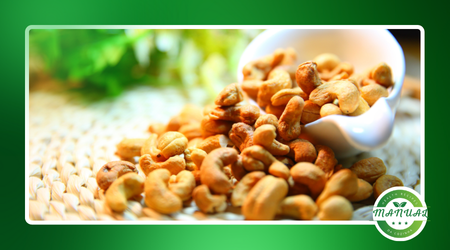
A cashew nut is much more than just a crunchy snack. It stands out as a functional food, full of benefits of cashew nuts ranging from cardiovascular health to strengthening the immune system.
Adverts
Rich in unsaturated fats, vegetable proteins, essential minerals and bioactive compounds, this oilseed has earned its place in the diet of those seeking conscious and nutritious nutrition.
In recent years, oilseed consumption in Brazil grew by 12%, according to ABICAB (2024), and cashew nut It is among the most consumed, both for its practicality and its balanced nutritional profile.
In addition to being an excellent source of energy, it adapts to a variety of culinary preparations, from sweet recipes to sophisticated savory dishes.
In this article, we will explore in depth the impacts of this seed on health, revealing how its nutrients act on the body.
Adverts
We will also present innovative recipes that go beyond traditional consumption, showing how to incorporate it creatively into your daily life.
The health benefits of cashew nuts
1. Protected heart and balanced cholesterol
A cashew nut It is rich in unsaturated fatty acids, mainly oleic acid, the same acid found in olive oil.
These fats help reduce LDL (bad cholesterol) while increasing HDL (good cholesterol), contributing to cardiovascular health.
A study published in the Journal of Nutrition (2023) showed that daily consumption of 30g of nuts is associated with a reduction of up to 14% in the risk of heart disease.
Furthermore, the presence of arginine, an amino acid that improves blood circulation, helps maintain blood pressure at adequate levels.
+Fit banana pancake: sugar-free and flour-free in 10 minutes
This makes the cashew nut a natural ally for those seeking to prevent hypertension and atherosclerosis.
2. Strengthening the immune system and antioxidant action
Rich in zinc and selenium, cashew nut strengthens the body's defenses.
Zinc is essential for the functioning of defense cells, while selenium fights free radicals, slowing down cellular aging.
Its polyphenols, such as tannins and flavonoids, also have an anti-inflammatory effect, helping to prevent chronic diseases.
Including this oilseed in your diet can be an effective strategy for strengthening your immunity, especially during periods of greater vulnerability, such as seasonal changes.
3. Glycemic control and prolonged satiety
Because it contains fiber and good fats, cashew nut It has a low glycemic index, making it a great option for diabetics and those looking to control their blood sugar.
+Quinoa recipes: protein-rich and flavorful options
The magnesium present in its composition also improves insulin sensitivity, as indicated in research by American Diabetes Association (2024).
Furthermore, its nutritional profile promotes satiety, helping to control appetite and maintain weight.
A small serving (about 30g) between meals can prevent overeating and provide sustainable energy throughout the day.
How to include cashew nuts in your daily diet?
1. Vegan and functional alternatives
The versatility of cashew nut allows it to replace traditional ingredients in vegan recipes. When hydrated and processed, its creamy texture makes it perfect for:
- Vegetable “cheeses” – Simply blend hydrated chestnuts with water, lemon juice, nutritional yeast and natural fermentation to obtain a tasty cream, ideal for pâtés and gratins.
- Vegetable milk – More nutritious than many industrialized versions, homemade cashew milk is rich in good fats and can be used in smoothies and coffee.
- Creamy sauces – Replaces cream in pasta sauces, ensuring a healthier, lactose-free option.
2. Energy snacks and nutritious desserts
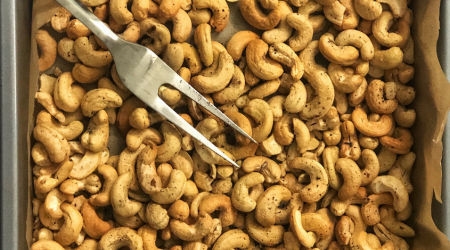
For those looking for quick and healthy snacks, cashew nut can be toasted with spices (such as paprika and curry) or sweetened with honey and cinnamon. Other ideas include:
- Homemade granola – Mixed with oats, seeds and dried fruits, it offers crunchiness and extra nutrition.
- Functional truffles – Combined with cocoa and dates, it becomes a dessert rich in antioxidants.
- Pre-workout energy drinks – Cashew nut bar with chia and vegetable protein is a practical option for athletes.
Cashew nuts in gastronomy: beyond the basics
1. Use in sophisticated savory dishes
Chefs have been exploring the cashew nut in preparations that go far beyond snacks. Its texture and mild flavor allow for creative applications, such as:
Read too: Roasted Chickpeas with Paprika: A side dish for different occasions
- Chestnut crumble – Used as a crispy topping for grilled fish or roasted vegetables, adding a gourmet touch.
- Functional Farofa – Partially replacing cassava flour, it provides more nutrients and a different flavor.
- Modern pesto – Combined with basil, garlic and olive oil, it creates a vibrant sauce for whole-grain pasta.
2. Healthy and indulgent sweets
The natural sweetness of cashew nut makes it perfect for desserts that do not contain refined sugars. Some inspirations:
- Chestnut mousse – Made with blended pulp and cocoa, it results in a creamy, low-carb dessert.
- Protein cookies – Mixed with almond flour and eggs, it forms protein-rich cookies.
- Functional Brigadeiro – With 70% cocoa and crushed nuts, it offers a sweet treat with less guilt.
Cashew nuts and sustainability: conscious consumption
1. Environmental impact and responsible production
The production chain of cashew nut has evolved to become more sustainable. In the Brazilian Northeast, where most of the production is located, cooperatives have invested in:
- regenerative agriculture – Techniques that preserve the soil and reduce the use of pesticides.
- Fair trade – Ensuring better working conditions for family farmers.
Choosing brands that follow these principles is a way to support more ethical and ecological practices.
2. Storage and full use
To reduce waste, it is possible to take advantage of 100% from cashew nut:
- Store correctly – Keeping them in airtight containers, away from moisture, preserves their crispiness for months.
- Use the bark – Although it is not edible, the peel can be reused as organic fertilizer.
Cashew nut nutritional table (per 30g)
| Nutrient | Amount | % VD* |
|---|---|---|
| Calories | 160 kcal | 8% |
| Total fats | 13 g | 20% |
| – Saturated fats | 2.6 g | 13% |
| – Unsaturated fats | 9.8 g | – |
| Proteins | 5 g | 10% |
| Fibers | 1 g | 4% |
| Magnesium | 82 mg | 20% |
| Zinc | 1.6 mg | 15% |
| Selenium | 5.7 mcg | 10% |
*Daily Reference Values based on a 2,000 kcal diet.
Frequently asked questions about cashew nuts
1. Are cashew nuts fattening?
Not necessarily. Despite being high in calories, its fats are healthy and promote satiety. The secret is moderate consumption (up to 30g/day) within a balanced diet.
2. Can it be consumed by people who are allergic to peanuts?
Even though they come from different families, there is a risk of cross-contamination. People with severe allergies should choose brands that guarantee the absence of traces.
3. What is the difference between regular and organic cashew nuts?
The organic version is grown without pesticides, better preserving its nutrients. Both are beneficial, but the organic version is ideal for those who prioritize sustainability.
Conclusion: a powerful and versatile food
You benefits of cashew nuts make it one of the most complete foods for a balanced diet.
Whether it's to protect your heart, strengthen your immune system or simply add flavor and texture to your meals, this oilseed deserves to be a highlight on your menu.
With the recipes and tips presented, it is clear that it is possible to go far beyond consuming fresh products.
From vegan alternatives to energy snacks, cashew nut adapts to different lifestyles, always with nutrition and practicality.
Include this seed in your routine and discover how small changes can have a big impact on your health. Your body – and your taste buds – will thank you.