
Roasted kabocha squash with miso to elevate any meal.

The recipe for Roasted kabocha squash with miso He does what seemed improbable: he transforms a rustic market vegetable into a gastronomic event.
Adverts
The magic happens when the earthy sweetness of the vegetable meets the sharp bite of salt and umami that only Asian fermentation can deliver.
Looking closely, our traditional rural cuisine and Japanese tradition operate on similar frequencies, valuing time and patience.
This fusion might initially frighten purists, but the first bite is enough to understand that they were made for each other.
Below, you'll find a no-frills guide to mastering this dish in your kitchen. From ingredient selection and oven techniques to combinations that truly make sense in the dish, the focus here is on practicality with real flavor.
Adverts
Summary
- Why does the combination of kabocha squash and miso work?
- What are the nutritional benefits of this side dish?
- How to prepare the perfect roasted kabocha squash with miso?
- Table: Comparative profile of miso types
- What are the best side dishes for this meal?
- Conclusion
- Frequently Asked Questions (FAQ)
Why does the combination of kabocha squash and miso work?
The success of Roasted kabocha squash with miso It has a chemical explanation, but it translates to the popping sound it makes in your mouth.
Miso is a pure concentration of amino acids resulting from the long fermentation of soybeans, transporting the palate directly to the realm of deep flavors.
When this thick, salty paste coats the pumpkin—which caramelizes easily due to its natural sugars—the oven creates an almost magnetic crust. Some believe that the Japanese seasoning overpowers the vegetable, but the truth is quite the opposite.
The kabocha squash has a crucial physical advantage over its relatives: its flesh is firm, dry, and doesn't fall apart into water when baked.
This structure allows it to absorb the sauce without turning into a bland mush during the cooking process.
The great trick of cooks who know what they're doing is precisely to find the point where the crust is almost burnt.
This final toasting brings an elegant bitterness that balances the sweetness inside, which becomes smooth as velvet.
Method of preparation
Ingredients
- 1 kabocha squash average
- 2 tablespoons of miso (preferably the Awase or the Aka (for more intensity)
- 3 tablespoons of extra virgin olive oil
- 1 teaspoon of lemon juice (or rice vinegar)
- Toasted sesame seeds to your liking (black and white)
- Green onion chopped to your liking
Step by step
- Preheat the oven: Preheat the oven to 200°C so that it is nice and hot when you put the vegetable in.
- Prepare the pumpkin: Wash the peel very well with a small brush. With a sharp knife, cut the kabocha squash in half, remove the seeds with a spoon, and cut it into wedges approximately 2 centimeters thick, keeping the peel on.
- Make the miso emulsion: In a small bowl, vigorously mix the miso, olive oil, and lemon juice until a smooth, homogeneous sauce forms.
- Season the wedges: Using your hands or a pastry brush, coat all sides of the pumpkin wedges with the emulsion, ensuring they are well covered.
- Arrange in the baking pan: Arrange the wedges on a wide baking sheet. Leave a little space between each piece to allow hot air to circulate, ensuring they bake rather than steam.
- Bake in the oven: Bake for about 30 to 35 minutes. Halfway through the cooking time (around 15 minutes), flip the wedges with a spatula to brown both sides evenly.
- Finish and serve: Remove from the oven as soon as you notice the edges are caramelized (lightly toasted) and the center is soft when pierced with a fork. Transfer to a serving plate and sprinkle with sesame seeds and scallions immediately.
What are the nutritional benefits of this side dish?
Place the Roasted kabocha squash with miso The weekly menu resolves that age-old debate between eating something that's good for you and something that gives you pleasure.
Kabocha squash is a powerhouse of carotenoids, the pigments our bodies use to produce vitamin A.
What many people overlook is that these nutrients need fat to be properly absorbed by the body.
Hence the importance of olive oil in the recipe; it's not just there to lubricate the mold, but to make the chemistry happen.
Miso, on the other hand, comes with the advantage of being a living food, full of enzymes that provide tremendous support for the intestines.
Even with the loss of some microorganisms due to heat, the gain in essential minerals such as zinc remains worthwhile.
Unlike mashed potatoes loaded with regular potatoes, this side dish keeps the glycemic index under control, preventing that typical post-lunch sluggishness. It's clean energy delivered in a format that's both pleasing to the eye and delicious to eat.
++ Roasted carrots with tahini and honey, a unique side dish.
How to prepare the perfect roasted kabocha squash with miso?
For a Roasted kabocha squash with miso For a flawless look, ignore the pretty, shiny pumpkins on the shelf. Choose one with a matte, heavy rind and that rustic look of having spent time drying in the field, because those are the sweetest.
Cut into thick wedges, don't worry about the peel, because it's completely edible and protects the shape of the piece when heated. Forget about peeling it; the extra work here would only ruin the final texture of your dish.
Coat each segment as if you were painting a canvas, without skimping, but making sure the sauce doesn't accumulate at the bottom of the baking dish.
Excess moisture accumulating underneath can end up steaming the vegetable instead of roasting it.
Bake in a hot oven, around 200°C (390°F), and resist the temptation to stir constantly. Let the base caramelize undisturbed for fifteen minutes before flipping, finishing with sesame seeds for that crunchy crunch when you bite into it.
++ Grilled zucchini with light and quick golden garlic
Table: Comparative profile of miso types
| Miso Type | Fermentation Time | Flavor Profile | Best Culinary Use |
| Shiro Miso (White) | Short (months) | Mild, sweet | Light sauces, delicate vegetables, and summer soups. |
| Aka Miso (Red) | Long (years) | Intense, salty | Red meats, hearty stews, and robust roasts. |
| Awase Miso (Mixed) | Miscellaneous | Balanced, complex | Root vegetables, universal marinades, and grilled dishes. |
What are the best side dishes for this meal?
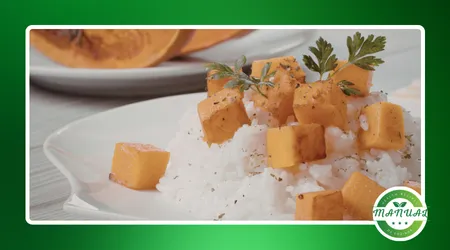
The versatility of Roasted kabocha squash with miso It scares those who are used to the monotony of rice and beans.
She has enough personality to anchor a vegetarian dish or to cut the fat from a heavier meat.
In the vegetable section, try serving these warm wedges alongside firmer grains, such as black rice or Puy lentils. Add a handful of bitter greens—arugula or mustard greens—and you'll have a complete lunch.
If the idea is to serve it with meat, pork is the ideal partner because of its historical affinity with sweet and sour flavors.
A rib or a loin takes on a whole new level of importance when it encounters the rich, unctuous sweetness of this country-style pumpkin on the plate.
Even Sunday rotisserie chicken or a quick grilled fish takes on the air of a feast with this side dish nearby. The oriental seasoning enhances the simplicity of everyday proteins without requiring hours by the stove.
++ Rustic potatoes in the air fryer, crispy, no frying, and easy.
Conclusion
Place the Roasted kabocha squash with miso Serving food on the table is a clever way to break the monotony without complicating the kitchen's dynamics. The dish proves that the secret lies not in using expensive ingredients, but in extracting the maximum from each one.
Taking vegetables from a bland supporting role to the star of lunch requires only the right heat and the right seasoning.
Try this simple process next time and watch your cooking routine permanently change.
If you enjoy understanding in depth how science explains these perfect ingredient combinations, I recommend exploring the analyses on the portal. Food pairingStudying how aromas work opens your mind to creating fantastic original recipes.
Frequently Asked Questions (FAQ)
Can I use a different type of pumpkin in this recipe?
It's possible, but varieties like pumpkin release too much water and will turn into a puree in the baking dish. If you can't find kabocha squash, butternut squash is the closest substitute to the ideal dry result.
How to store leftover roasted pumpkin?
Keep the segments in a tightly sealed glass jar in the refrigerator for up to four days. When you want to eat them again, avoid the microwave to prevent them from becoming soggy; opt for a very hot skillet or the oven.
Does miso lose its beneficial properties when baked?
Unfortunately, the oven's heat eliminates a large portion of the beneficial bacteria involved in active fermentation. However, the rich flavor and minerals remain intact, ensuring that the dish continues to be far superior to those made with commercial seasonings.
Is it mandatory to remove the skin from the kabocha squash before roasting?
Absolutely not, because the peel becomes soft and very tasty after being heated in the oven. Besides holding the segment together, it concentrates a good portion of the healthy fiber that the vegetable offers.
Can I freeze the pumpkin after it's cooked?
Avoid the freezer at all costs in this specific case. The texture of the pumpkin pulp changes completely after thawing, releasing accumulated liquid and ruining that creaminess that makes the recipe worthwhile.