
Warm lentil salad with red onion and citrus vinaigrette.
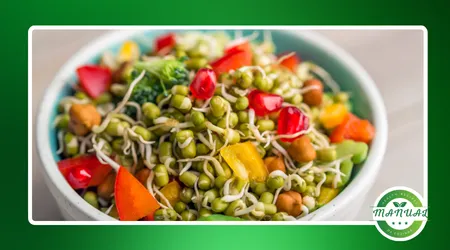
A Warm lentil salad With red onion and citrus vinaigrette, it represents the evolution of functional gastronomy, combining thermal comfort with high nutritional density in a sophisticated dish.
Adverts
In this comprehensive guide, we'll explore how to transform legumes into a gourmet experience, using precise cooking techniques and acidic pairings that enhance the earthy flavor of the selected seeds.
Learn how to select the best ingredients and master the balance between crispy and soft textures, ensuring a versatile side dish that perfectly suits contemporary and discerning palates.
Recipe Fact Sheet
- Preparation time: 15 minutes (after the sauce)
- Cooking time: 20 to 25 minutes
- Performance: 4 servings
- Difficulty: Easy/Intermediate
Necessary Ingredients
For the legume base:
- 250g of dried lentils (preferably Puy or Beluga type)
- 1 fresh bay leaf
- 1 whole clove of garlic, lightly crushed
- 1 medium red onion, thinly sliced (julienne pattern)
- 1 tablespoon of olive oil (for sautéing)
- Sea salt and freshly ground black pepper to taste.
For the citrus vinaigrette and finishing touches:
Adverts
- 60ml of low-acidity extra virgin olive oil
- Juice and zest of 1 large Sicilian lemon
- 1 teaspoon of original Dijon mustard
- 1/2 bunch of finely chopped fresh parsley
- 50g of sunflower seeds or lightly toasted walnuts
Step by Step Preparation Method
1. Preparation and Cooking of the Grains
After soaking (minimum 8 hours), discard the water and rinse the lentils. In a saucepan, cover them with clean water, add the bay leaf and garlic. Cook over medium heat until tender but still offering a slight resistance when bitten (al denteDrain immediately to stop the cooking process.
Summary
- Why choose lentils in 2026?
- Full Recipe and Ingredients
- Step by Step Preparation Method
- Detailed Nutritional Table
- How to harmonize this side dish?
- What are the secrets to the perfect vinaigrette?
- Conclusion
- FAQ – Frequently Asked Questions
Why are lentils the star of modern side dishes?
The search for high-quality plant-based proteins has never been more relevant than now, driven by growing environmental awareness and the desire for active longevity.
Lentils, especially the varieties Puy or beluga, offer a structure that remains firm after cooking, avoiding that undesirable mushy texture in refined dishes.
In addition to their protein content, they are rich in soluble fiber, which helps control blood sugar, making them an ideal option for those seeking consistent energy without insulin spikes.
The combination with the citric acid from Sicilian lemon enhances the absorption of non-heme iron, transforming a simple meal into a strategic combo of nutritious bioactivity.
Incorporating cruciferous vegetables or bulbs like red onions adds anthocyanins, potent antioxidants that combat cellular oxidative stress while ensuring a vibrant and very appetizing appearance.
How do you choose the ingredients for your salad?
The quality of the final dish depends directly on the origin of the grains, always preferring organic options that preserve the original flavor and avoid unwanted chemical residues on the table.
You will need 250g of dried lentils, one large red onion sliced into pieces. half moon50ml of extra virgin olive oil and the zest of one Sicilian lemon.
For the finishing touch, set aside a bunch of fresh parsley, whole sea salt, freshly ground black pepper, and 30g of toasted sunflower seeds for added crunch.
The vinaigrette requires special attention, using the juice of a Sicilian lemon, a teaspoon of Dijon mustard, and a drizzle of wild honey to balance the acidity.
Consider adding cubes of feta cheese or smoked ricotta if you want an extra layer of creaminess, although the vegan version is equally impactful and full of flavor.
+ Roasted vegetables with miso and honey: an umami side dish for modern meals.
Preparation method: the technique behind Warm lentil salad
Start by washing the lentils thoroughly under running water until the water runs clear, removing impurities and excess starch that could compromise the final texture of the dish.
Cook the beans in plenty of water with a bay leaf and a crushed clove of garlic, keeping the heat on medium for approximately twenty minutes or until tender. al dente.
It is essential not to let the lentils fall apart, as the integrity of the grain is what defines the elegance of this dish, allowing the sauce to coat each lentil individually.
While the grains are cooking, prepare the citrus vinaigrette in a small bowl, emulsifying the olive oil with the lemon juice and mustard until you obtain a smooth and glossy mixture.
Drain the lentils while still hot and immediately mix in half of the sauce, allowing the heat to facilitate the absorption of the deep aromas and flavors by the pores of the cooked legumes.
Lightly sauté the red onion with a drizzle of olive oil, just enough to remove the excessive sharpness, while preserving its vibrant color and crisp texture that contrasts with its tenderness.
Combine all the elements in a large serving dish, finishing with the fresh herbs, sunflower seeds, and the remaining citrus vinaigrette for a flawless final touch.
+ Christmas salad of mixed greens with baked pear, walnuts, and Dijon mustard dressing.
Nutritional Information (Serving size 200g)
| Component | Amount | % Daily Value* |
| Calories | 210 kcal | 10% |
| Proteins | 12g | 24% |
| Fibers | 8g | 32% |
| Iron | 3.3mg | 18% |
| Total Fats | 7g | 11% |
*Values based on a 2,000 kcal diet. Data according to... Brazilian Food Composition Table (TACO).
What is the best time to serve this dish?
This salad shines as an accompaniment to grilled fish, such as salmon or sea bass, where the acidity of the lemon cuts through the natural richness of these fattier cuts.
At late afternoon social events, it works as a light main course, especially when served with slices of sourdough bread lightly toasted with garlic.
If you're looking for a "gourmet lunchbox" option, this recipe is excellent because the flavor intensifies after a few hours of resting, while still maintaining adequate food safety.
The lukewarm temperature is the key difference, as it releases essential oils from the herbs and onion, creating a superior sensory experience compared to salads served excessively cold or chilled.
Many chefs use this base to stuff roasted vegetables, such as kabocha squash or bell peppers, demonstrating the extreme versatility of a side dish that transitions well between rustic and modern.
What are the secrets to an unforgettable citrus vinaigrette?
The balance between acid and lipid is key to success, always using proportions of three parts olive oil to one part high-quality citrus juice.
Avoid processed juices, as the enzymes present in fresh lemon react with the proteins in lentils, promoting easier digestion and a much more refreshing and natural taste.
The addition of zest brings volatile aromatic notes that the juice alone cannot deliver, perfuming the entire kitchen and whetting the appetite of the guests present.
For a sophisticated variation, try replacing some of the lemon with sherry vinegar or organic apple cider vinegar, which add complexity and a slightly sweet touch to the final result.
The presence of Dijon mustard is not just for flavor, but it acts as a natural emulsifier that keeps the sauce stable, preventing the olive oil from separating quickly.
When preparing the Warm lentil saladRemember that salt should only be added at the end, preventing the grain's husk from hardening during the initial cooking process.
How to safely store and use leftovers?
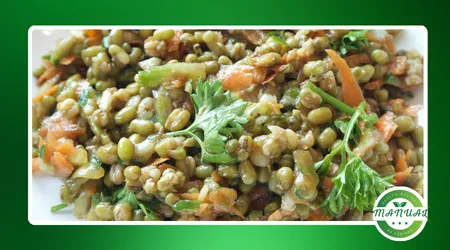
If there are leftovers, store them in an airtight glass container in the refrigerator for up to three days, avoiding plastic containers that can absorb the strong odor of onions and garlic.
To reheat, use a double boiler or a frying pan over very low heat with a drop of water, preserving the firm texture without the grains drying out or losing their freshness.
Transform leftovers into a rustic soup by adding homemade vegetable broth and some fresh spinach, creating a whole new meal with minimal effort in the kitchen.
This versatility ensures zero waste, something fundamental in the food sustainability guidelines that govern conscious consumption in 2026, respecting the complete cycle of the selected foods.
+ How to make quick and simple egg farofa
Conclusion
Modern gastronomy demands dishes that nourish the body and delight the eye, and this recipe delivers both with mastery, technical simplicity, and ingredients readily available in any market.
By mastering this accompaniment, you elevate the standard of your daily meals, ensuring a constant source of health without sacrificing aesthetic and gustatory pleasure in every bite.
Experiment with different herb variations, such as mint or cilantro, to adapt the flavor profile to the chosen main dish, always maintaining the basic techniques we taught in this article.
Conscious cooking is a one-way path for those seeking well-being, and legumes are the best allies on this journey of culinary discoveries rich in history and flavor.
FAQ – Frequently Asked Questions
Can I use canned lentils for this recipe?
Although possible, the texture of canned lentils is usually too soft for a quality warm salad, so cooking the dried lentils is preferable for greater control.
What is the best type of onion to use?
Red onions are the most recommended due to their slightly sweet flavor and lower sulfur content, as well as providing an indispensable visual contrast for presentation.
Can I substitute Sicilian lemon for Tahiti lime?
Yes, but Tahiti limes are more acidic and less aromatic. It is recommended to slightly reduce the quantity and add an extra pinch of honey to balance the citrus's intensity.
Can this salad be frozen?
We do not recommend freezing, as the texture of the onion and fresh herbs undergoes severe degradation, resulting in a dish lacking the characteristic freshness that defines its identity.
Do lentils need to be soaked?
Yes, soaking for at least 8 hours helps reduce phytates and antinutrients, facilitating digestion and significantly reducing cooking time on the stovetop.