
Traditional homemade rapadura recipe

In this article, you will learn the complete step-by-step process to achieve the perfect result, as well as understand the nutritional value and cultural importance of this Northeastern Brazilian culinary heritage.
Adverts
Summary
- What defines traditional rapadura?
- How to choose the ideal raw material?
- Step-by-step instructions for homemade preparation.
- Why is rapadura a natural energy booster?
- When is the candy at the right consistency?
- FAQ and Storage Tips.
What is traditional Brazilian rapadura?
A traditional homemade rapadura It emerged in the 16th century as a clever logistical solution for transporting sugar in a solid and compact form over long colonial journeys.
Unlike refined sugar, it preserves essential minerals such as iron and calcium because it does not undergo chemical bleaching or industrial centrifugation processes during its manufacture.
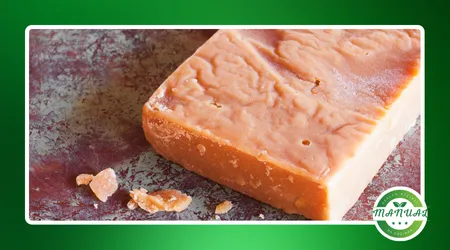
Its artisanal production maintains the robust flavor of molasses, presenting a texture that varies from crystallized to soft, depending exclusively on the manual beating technique applied.
Currently, Brazil stands out as one of the world's largest producers, with states like Ceará and Minas Gerais leading the preservation of these ancestral techniques of domestic sugar mill production.
Adverts
What ingredients and utensils are needed?
To obtain a traditional homemade rapadura To make it authentic, you will basically need fresh sugarcane juice, also known as garapa, filtered to remove impurities from the grinding process.
Read more: Homemade powdered milk ice cream without an ice cream maker.
Many producers use a copper or cast iron pan, as these materials distribute heat evenly, preventing the sugar from burning quickly at the bottom.
In addition to the broth, a long-handled wooden spoon is essential for the process of "beating" the mixture, ensuring the necessary aeration for perfect crystallization.
Prepare greased wooden or metal molds where the candy will rest until it hardens completely and acquires the iconic brick shape we know from Brazilian fairs.
How to make traditional homemade rapadura step by step
The process begins by bringing about ten liters of sugarcane juice to a high heat, initiating the evaporation of water to concentrate the plant's natural sugars.
++ Recipe for Pernambuco-style cartola (banana, cheese and cinnamon)
During boiling, a dark foam will rise to the surface; carefully remove it with a skimmer to ensure that your... traditional homemade rapadura It presents a clean and bright color.
After a few hours, the broth will turn into a thick syrup. This is the critical moment when the temperature reaches approximately 115°C, requiring the cook's full attention.
To test if it's ready, drop a small amount of molasses into a glass of cold water. If it forms a firm ball that doesn't crumble, the candy is ready to be sold.
Remove the pan from the heat and begin to beat vigorously with a wooden spoon for ten minutes, transforming the viscous liquid into an opaque and heavy mass.
Quickly pour into the prepared molds before the sugar completely crystallizes, smoothing the surface for a professional and even finish across the entire piece.
Why consume rapadura instead of refined sugar?
A traditional homemade rapadura It is considered a whole food because it retains the molasses from the sugarcane, where most of the B vitamins and minerals are found.
++ Stuffed Chocotone: 3 Innovative Ways to Use This Christmas Classic
High-performance athletes often use small cubes of this candy as an immediate energy replenisher, taking advantage of the rapid absorption of natural carbohydrates during intense workouts or hikes.
According to detailed technical information by EMBRAPAThe product has high levels of phosphorus and potassium, making it superior to commercially available processed sweeteners in regular supermarkets.
In addition to health benefits, consumption supports family farming and small-scale sugarcane producers, strengthening the regional economy and keeping rural traditions alive in the interior.
Nutritional Comparison: Rapadura vs. Refined Sugar
| Component (per 100g) | Traditional Rapadura | Refined sugar |
| Calcium (mg) | 114 | 1 |
| Iron (mg) | 5,4 | 0,1 |
| Potassium (mg) | 350 | 2 |
| Vitamins B1 and B2 | Gifts | Absent |
| Processing | Physical/Thermal | Chemical/Industrial |
When should you add extra flavors to the recipe?
Although the traditional homemade rapadura While delicious on its own, Brazilian palates love variations that include roasted peanuts, grated coconut, or even aromatic fennel seeds.
These ingredients should be incorporated at the exact moment after manual mixing, while the dough is still warm, ensuring that they are evenly suspended in the dessert.
Peanuts provide a special crunch and add healthy fats and protein, making the food even more complete for those seeking a nutritious and extremely high-calorie snack.
Avoid adding ingredients with high moisture content, such as fresh fruit, as this can compromise the crystallization structure and prevent the rapadura from hardening as expected.
How to store it to maintain its texture?
To preserve its traditional homemade rapadura For several months, wrap each piece in parchment paper or plastic wrap, protecting the candy from direct contact with excessive moisture.
Sugar is highly hygroscopic, meaning it absorbs water from the air, which can make the surface of the rapadura sticky if left exposed in humid environments.
Store the bricks in a cool, dry place away from direct sunlight. This prevents oxidation and preserves the characteristic flavor of fresh sugarcane for an extended period.
If the candy softens, you can use it to sweeten coffee or grate it over fruit, taking advantage of its culinary versatility in various classic Brazilian confectionery preparations.
Conclusion
Mastering the art of traditional homemade rapadura It's a way to honor our roots and ensure cleaner, more nutritious food for our family's table.
By following the correct consistency and proper beating technique, you will have a long-lasting, flavorful dessert free of the artificial preservatives that saturate modern industrial products.
To learn more about the impact of sugarcane on the Brazilian economy, visit the official website of [website name/organization name]. Ministry of Agriculture and Livestock.
Frequently Asked Questions
Can I make rapadura (a type of unrefined cane sugar) using brown sugar?
Yes, it is possible to melt brown sugar with a little water until it reaches the hard crack stage, simulating the process of... traditional homemade rapadura in a simplified way at home.
Why didn't my rapadura harden?
This usually happens because the molasses did not reach a temperature of 115°C or because the manual beating time was insufficient to initiate the molecular crystallization of the sugar.
Are there any contraindications for its consumption?
Because it is a concentrated source of sucrose, diabetics should avoid consuming it, and healthy people should enjoy it in moderation to maintain a balanced diet and stable blood glucose levels.
What is the shelf life of homemade rapadura (unrefined cane sugar)?
If stored correctly in a dry place and properly protected from moisture, rapadura (unrefined cane sugar) can last up to a year without losing its organoleptic properties or basic food safety.