
Creamy Northeastern Coconut Candy Recipe
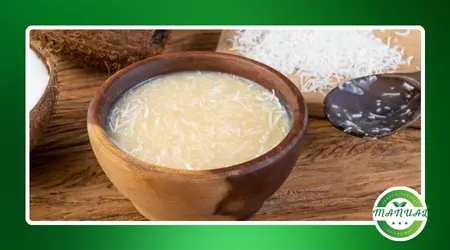
The search for the perfect recipe creamy coconut candy from the Northeast mobilizes hearts and palates.
Adverts
This delicacy, more than just a sweet, carries with it the essence of a rich and vibrant culture, straight from the Northeast region of Brazil.
The sweet stands out for its soft texture and intense flavor of fresh coconut. Its popularity transcends regional borders and reaches every table.
Its unique creaminess is what distinguishes it from the traditional version.
What Makes the Northeastern Creamy Cocada So Special?
The uniqueness of this dessert lies in the combination of simple ingredients. Coconut milk, fresh shredded coconut, and sugar are the recipe's non-negotiable base.
Adverts
The cooking point determines the tenderness of the final result.
Tradition dictates using freshly grated coconut to extract maximum flavor. This careful handling of the raw material is a family secret.
Many recipes add condensed milk to enhance the silky texture.
The slow cooking process ensures gentle caramelization of the sugar. It's this alchemy of heat and time that seals the flavor.
Read too: What can't be missing in the kitchen of someone who lives alone
The cultural heritage of cocada is a tasty chapter in Brazilian history.
How is Tradition Kept Alive in the Cocada Recipe?
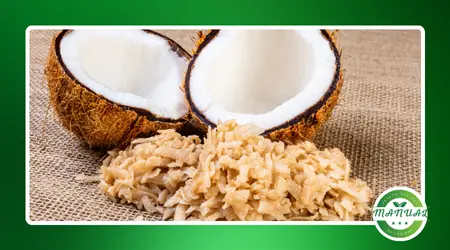
The cocada recipe dates back to Brazil's colonial period. It was created from a fusion of African, indigenous, and Portuguese ingredients.
The Northeast welcomed the sweet and transformed it into gastronomic heritage.
In the past, the use of wood fires provided a subtle smoky flavor. Today, modern stoves replicate the essence of this careful cooking. Maintaining the original recipe honors this historical trajectory.
A creamy coconut candy from the Northeast It's not just sugar and coconut; it's an emotional memory. Every bite takes us back to street markets and June festivals.
Explore more: Recipe for perfect yellow quindim
It's a piece of regional identity served on a spoon.
This versatile dessert can be complemented with additions like cloves and cinnamon. The citrusy touch of lemon zest can enhance the flavor. There's always room for creativity in the kitchen.
Dona Marluce, from Natal, Rio Grande do Norte, famous for her coconut sweets, uses a pinch of salt to enhance the sweet.
She claims that salt balances the sweetness. This is a technique passed down from generation to generation.
What Ingredients Are Essential for the Perfect Cocada?
The quality of the ingredients is the cornerstone of any great dessert. For the creamy coconut candy from the Northeast, fresh coconut is the absolute protagonist.
++Cornmeal cake recipe with guava paste
It must be ripe and have white, moist flesh.
Replacing it with industrially prepared dried coconut alters the final result. It reduces the creaminess and diminishes the intensity of the aroma. Choosing the right ingredients is an act of respect for the recipe.
Condensed milk acts as a natural emulsifier, binding the ingredients together. Its characteristic sweetness is welcome and adds body to the batter. Coconut milk provides the moisture needed for baking.
Table: Ingredients and Their Functions in Creamy Cocada
| Ingredient | Primary Function in Revenue | Contribution to Creaminess |
| Fresh Grated Coconut | Base and Main Flavor | Moisture and Smooth Fibrous Texture |
| Sugar (Crystal/Refined) | Sweetener and Caramel | Structure and Sweet Point |
| Condensed milk | Binder and Sweetener | Final Thickness and Softness |
| Coconut milk | Moisture and Aroma | Prevents Dryness |
The correct proportion of these components is the secret of great confectioners. A small variation drastically changes the consistency. Attention to detail is what separates the amateur from the master.
How does Cocada fit into the current sweets market?
The appeal of artisanal and regional sweets grew exponentially in 2025. Consumers seek authenticity and nostalgic flavors.
A creamy coconut candy from the Northeast fits this demand perfectly.
According to the Brazil Food Consumption Trends Report 2024-2025, there was a 35% increase in demand for sweets that use native ingredients and traditional preparation techniques.
This shows the appreciation of authentic Brazilian sweets.
This appreciation boosts small producers and entrepreneurs. The regional sweet becomes a profitable and sustainable business. Recovering these revenues is, therefore, an economic movement.
Analogously, think of cocada as a culinary fairy tale. It starts out simple, with few ingredients, but the ending is magical, surprising, and happy.
Where to Find the Authentic Creamy Cocada from the Northeast?
The best creamy coconut candy from the Northeast It's always homemade, with love. However, it's possible to find authentic examples at fairs and markets in the Northeast.
Many specialized confectioneries also offer the sweet.
Avoid processed products with preservatives and artificial flavors. They dilute the true flavor and detract from the dessert's character. Authenticity lies in the purity of the ingredients.
In Olinda, Pernambuco, there is a cart that has been selling coconut sweets for over 50 years.
The owner, Mr. João, teaches that the secret is to stir over low heat for at least 40 minutes. This patience is the soul of creaminess.
In a world of fast food and mass production, who still values the time spent in the kitchen, valuing genuine flavor?
The art of making this coconut candy is a celebration of identity. It's an invitation to the palate on a sensory journey. The recipe's success depends on your dedication to the process.
Simple Recipe to Make Creamy Northeastern Cocada at Home
Start by gathering fresh, high-quality ingredients. In a heavy saucepan, combine the sugar, condensed milk, and coconut milk. Mix well before turning on the heat.
Add the grated fresh coconut to the mixture, stirring continuously. The heat should be medium to low to prevent the sugar from burning on the bottom.
Patience is crucial at this stage of preparation.
A creamy coconut candy from the Northeast It reaches the desired consistency when the mixture pulls away from the bottom of the pan. Turn off the heat before it becomes too firm, maintaining its creamy consistency. Pour into a greased baking dish.
Let cool completely before cutting into pieces or serving with a spoon. The dessert thickens after cooling. Serve at room temperature to enhance the flavor.
Conclusion: The Unparalleled Flavor of a Tradition
A creamy coconut candy from the Northeast It's a sweet that stands the test of time and gastronomic trends. Its simplicity is, ironically, its greatest sophistication.
It is a culinary legacy that deserves to be preserved and appreciated.
This sweet treat is living proof that Brazilian flavors are rich in history. Sharing this recipe is more than just cooking; it's perpetuating a tradition.
Frequently Asked Questions about creamy coconut candy from the Northeast
1. Can I use packaged coconut for creamy coconut candy?
Using fresh coconut is highly recommended for authentic creaminess and flavor. Packaged coconut, being drier, can result in a less moist coconut candy. If using coconut, hydrate it first with a little coconut milk.
2. What is the exact point to turn off the fire?
The ideal point is when the coconut and sugar mixture is bubbling and begins to pull away from the bottom of the pan. It's crucial that it's still very moist to ensure a creamy consistency after cooling.
3. How long can coconut candy be stored?
Homemade creamy coconut candy, if stored in an airtight container in the refrigerator, can last up to 5 days. It's important to keep it refrigerated due to the presence of milk and coconut.
4. Can I add other flavors to the coconut candy?
Yes, coconut candy welcomes additions like lemon or orange zest, cloves, cinnamon, or even cocoa powder. Vanilla extract is also an option to enhance the sweet's aroma.